

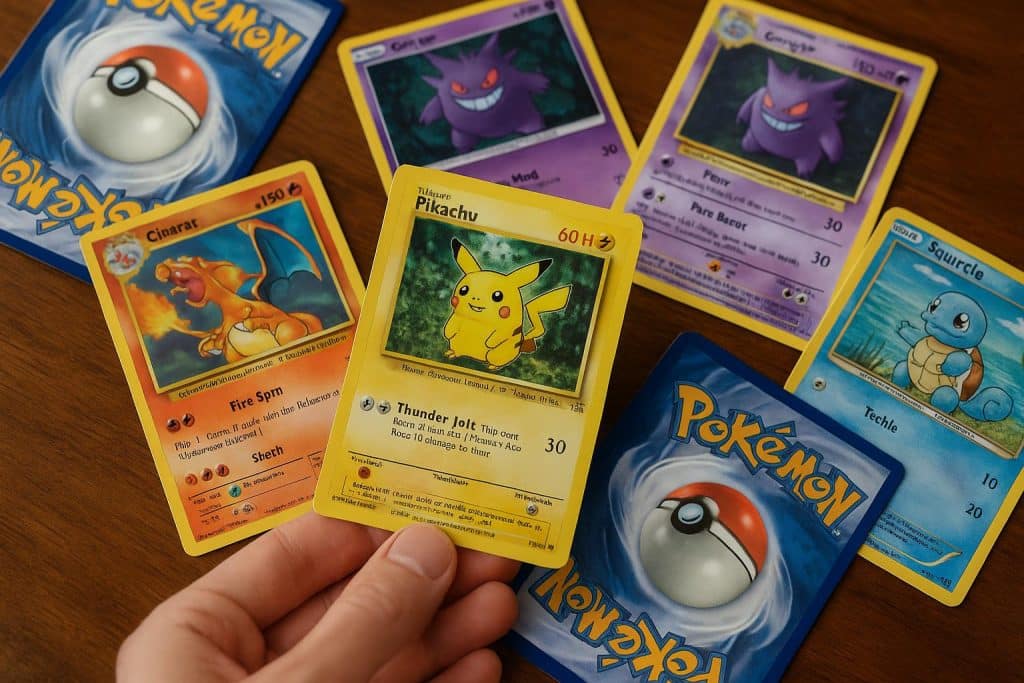
Pokémon card collecting has grown far beyond a childhood hobby. What began as a trading card game in the late 1990s has evolved into a global collector market supported by competitive play, digital communities, livestream commerce, and nostalgia-driven entertainment culture.
New collectors continue entering the hobby because Pokémon cards combine gaming, artwork, rarity, and investment appeal within one ecosystem. The accessibility of the hobby also allows people to participate casually or competitively depending on their interests.
As the trading card industry expands, Pokémon remains one of the strongest entry points for new collectors.
Nostalgia Plays a Major Role
Many modern collectors first encountered Pokémon through television, handheld games, or early trading cards during childhood.
As adults return to the hobby, nostalgia becomes a strong emotional driver. However, nostalgia alone does not explain continued growth among younger generations who were not part of the original Pokémon boom.
The franchise continues evolving through new games, media releases, and card expansions that keep the brand relevant across different age groups.
The Hobby Is Easy for Beginners to Enter
Compared to some collectible markets, Pokémon cards remain relatively accessible for new participants.
Starter decks, booster packs, and beginner-friendly products allow collectors to enter the hobby without requiring advanced knowledge immediately.
Reasons Pokémon Appeals to New Collectors
- Familiar characters and recognizable branding
- Lower entry cost compared to some collectibles
- Large online communities offering guidance and market information
Accessibility helps maintain steady growth across the collector base.
Artwork and Design Drive Collector Interest
Modern Pokémon cards are heavily design-focused.
Collectors are often drawn to:
- Alternate artwork editions
- Full-art holographic cards
- Limited promotional releases
Card presentation has become significantly more sophisticated over time. Premium textures, foil treatments, and high-end illustration styles increase both visual appeal and collectibility.
Many collectors now approach Pokémon cards similarly to art collecting.
Competitive Play Supports Long-Term Engagement
The Pokémon Trading Card Game remains active globally through tournaments, leagues, and organized competition.
Competitive play creates ongoing demand for new cards and encourages continuous community participation.
Unlike purely static collectibles, Pokémon cards maintain functionality within gameplay itself.
This combination of gaming and collecting helps sustain interest over long periods.
Social Media Has Accelerated Hobby Growth
Platforms such as YouTube, TikTok, Twitch, and Discord have transformed how collectors interact with the hobby.
Unboxing videos, card grading reveals, livestream auctions, and collection showcases expose new audiences to the market constantly.
Social media also helps collectors learn about:
- Market pricing trends
- Rare card identification
- Set release schedules and strategy discussions
Digital communities make the hobby feel more interactive and accessible.
Card Protection Has Become More Important
As card values increase, collectors pay much closer attention to preservation and storage quality.
Scratches, edge wear, moisture, and bending can reduce long-term card value significantly.
Pokemon card sleeves help collectors protect cards during gameplay, storage, and transportation while maintaining card condition for grading or resale purposes.
Protection products have become a standard part of modern collecting culture.
Scarcity and Limited Releases Create Demand
Limited print runs and special releases contribute heavily to collector interest.
Certain cards become highly desirable because of:
- Tournament exclusivity
- Promotional event distribution
- Short production availability
Scarcity creates excitement and encourages collectors to follow release cycles closely.
However, not all collecting is driven by financial value. Many collectors focus purely on completing favorite sets or character collections.
Grading Has Professionalized the Hobby
Card grading services have changed how collectors evaluate condition and long-term value.
Professional grading assesses:
- Surface quality
- Edge condition
- Print centering
- Structural integrity
Graded cards often command significantly higher resale value when preserved properly.
This process has introduced more investment-oriented behavior into the hobby while also standardizing condition assessment.
Community Culture Strengthens Participation
One reason Pokémon collecting remains popular is the strong sense of community surrounding it.
Collectors interact through:
- Local card shops and tournaments
- Online marketplaces and discussion groups
- Trade nights and convention events
These interactions create social engagement beyond simple ownership.
The community aspect helps retain collectors long term.
Pokémon Culture Extends Beyond Cards
Pokémon collecting now overlaps with broader fan culture and personal identity.
Collectors often expand into merchandise, apparel, artwork, and custom accessories connected to their favorite characters or sets.
Some fans also incorporate themed collectibles such as embroidered patches into bags, display cases, jackets, and gaming setups to personalize their collections further.
This crossover between collecting and lifestyle culture helps strengthen emotional attachment to the hobby.
The Market Continues Evolving
The Pokémon card market continues adapting to changing consumer behavior and digital influence.
Online marketplaces, livestream commerce, and global distribution networks have made collecting more accessible internationally.
At the same time, demand for rare and high-grade cards continues pushing the hobby into more professionalized territory.
This balance between casual enjoyment and serious collecting keeps the market dynamic.
Final Take
Pokémon card collecting appeals to new fans because it combines nostalgia, artwork, gameplay, rarity, and community interaction into one highly accessible hobby.
The growth of social media, grading services, and collector culture has expanded the hobby far beyond its original audience.
As the franchise continues evolving, Pokémon cards remain one of the most influential and approachable collectibles in modern entertainment culture.