

Over the past few years, electric vehicles have become a symbol of environmental sustainability and progress in the automotive industry. However, despite their rapid growth in popularity, data show that in the United States and the United Kingdom, electric vehicles can lose up to 50% of their value within just the first year of use. This problem requires careful analysis to understand its causes and consequences for both consumers and producers.
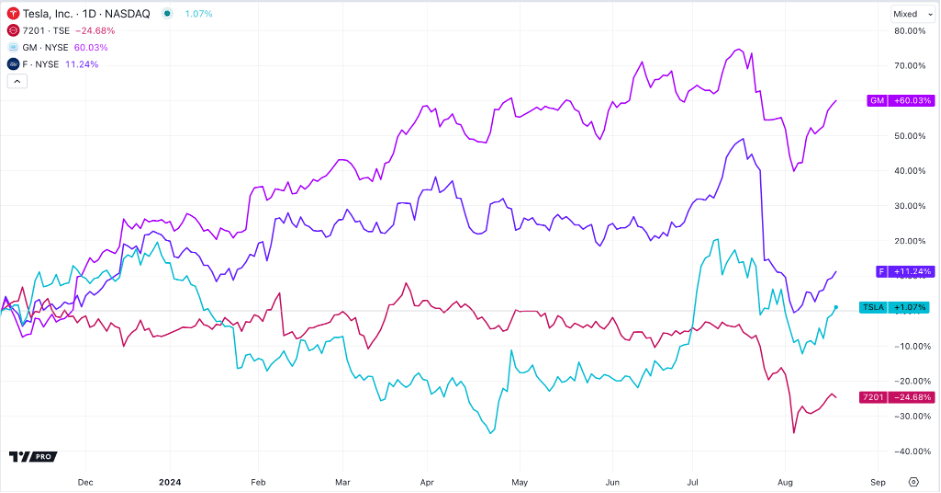
One of the main reasons for this steep depreciation is the rapid pace of technological advancement. Electric vehicles are still a relatively new type of vehicle, and the technologies in this field are developing incredibly. Every year, more advanced models with better performance, larger batteries, more power, and improved range hit the market, making older models less appealing to consumers. Tesla stock, for instance, has often been affected by these fluctuations, reflecting both the excitement around new releases and concerns over depreciation.
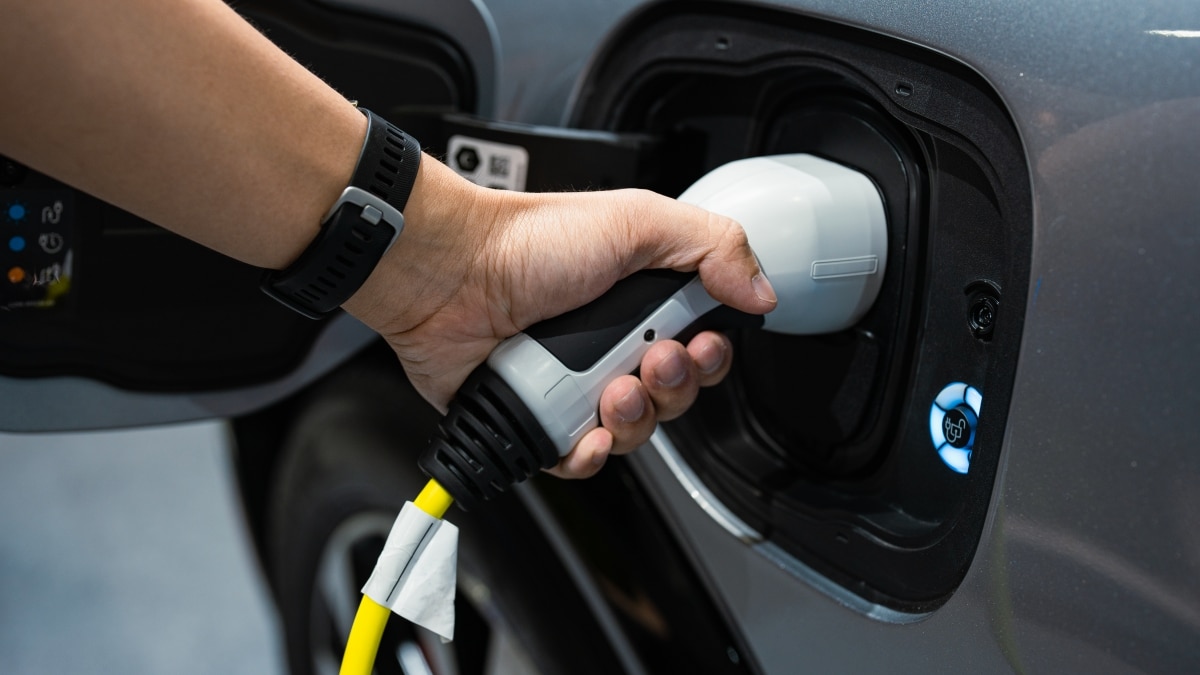
In addition, concerns about battery longevity play a significant role. Batteries are one of the most expensive and complex components of electric cars. Consumers worry about potential battery issues after the warranty expires, and the cost of replacement can be a significant portion of the car’s overall cost, making resale less profitable.
Infrastructure limitations also play an important role. Although charging stations are becoming more common, their availability can still be problematic in some areas. The limited charging infrastructure makes electric vehicles less attractive than cars with internal combustion engines.
Electric car companies such as Tesla, Nissan, Chevrolet, and Ford are facing significant challenges due to their models’ rapid depreciation. The drop in new car prices leads to lower prices for used electric vehicles, which undermines consumer confidence in the market. This has a negative impact on demand, as potential buyers fear that their cars will quickly lose value.
In contrast, many manufacturers of traditional internal combustion engine vehicles offer more stable prices after the first year of use. This can make conventional vehicles more attractive to some consumer groups, especially those who prefer the reliability of existing fuel infrastructure.
Reselling an electric car also becomes less profitable for several reasons. First, the association with rapidly outdated technologies makes them less desirable in the secondary market. Second, the high cost of battery repairs and replacements negatively impacts the perceived value of the car after resale. The secondary market has also been seriously impacted by price wars in the new car market, which forced automakers to rapidly cut prices on new vehicles. Used electric vehicles simply could not be offered at adequate prices, causing their value to drop quickly. The frequent release of new models also contributes to the rapid depreciation of cars already in use. Despite this, electric vehicles managed to capture 18.5% of the new car market in the UK by the end of July this year, while in the United States, their market share reached 6.8%, four times that of plug-in hybrids.
Manufacturers are starting to address this problem in various ways. One solution is the introduction of buyback programs for older cars, which helps maintain control over the vehicles’ life cycle and encourages the purchase of new models. In addition, offering extended battery warranties and long-term service programs can boost consumer confidence and improve price retention.
Thus, while electric vehicles represent a promising future in the automotive industry, the high rate of depreciation in the first year is still a serious challenge. Electric vehicle companies need to actively work on increasing their competitiveness against internal combustion engines by investing in technology, expanding infrastructure, and developing strategies to build consumer confidence. This is the only way they can ensure a successful future for their segment in the market.