

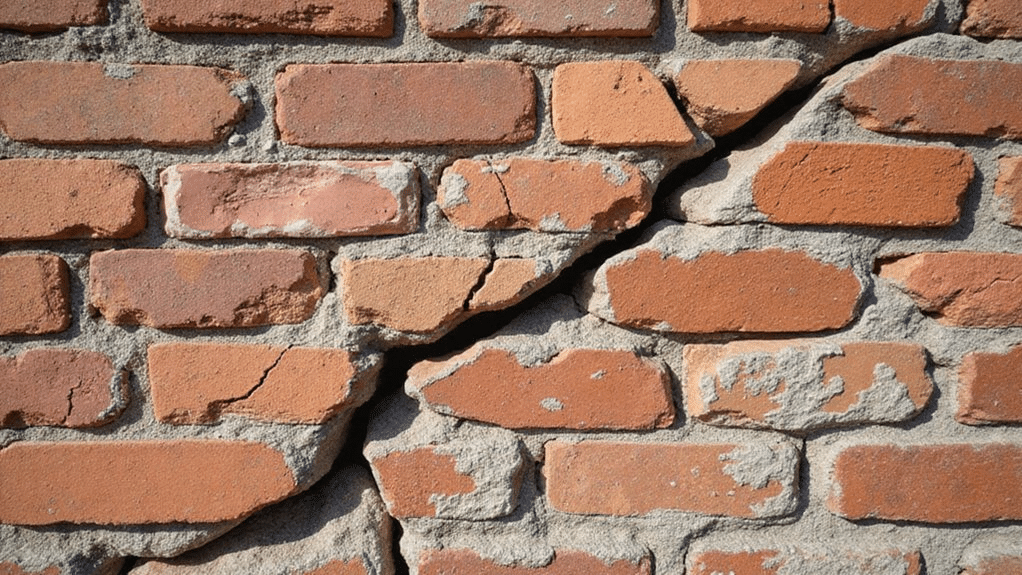
Expert Insights on Protecting Your Biggest Investment
Your home is likely your largest financial investment, and its structural integrity depends heavily on the masonry work—from the foundation to the chimney. After spending over 26 years in the masonry industry, I’ve seen countless homeowners who ignored early warning signs only to face repair bills five to ten times higher than if they’d addressed issues promptly.
The good news? Most major masonry disasters give you plenty of warning. Learn to recognize these five critical signs, and you’ll save yourself thousands of dollars and endless headaches.
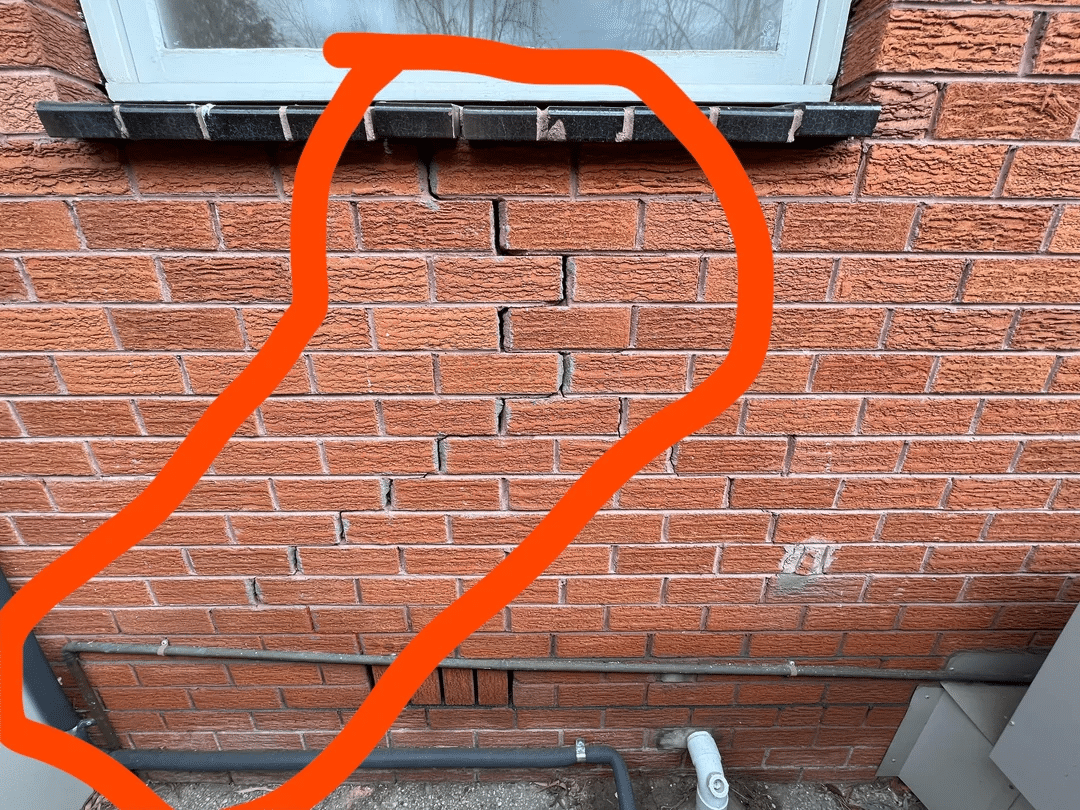
1. Stair-Step Cracks in Brick Walls
What to Look For: Cracks that follow the mortar joints in a stair-step pattern are one of the most telling signs of foundation settlement or structural movement.
Why It Matters: Unlike hairline cracks (which can be cosmetic), stair-step cracks indicate your home is moving. This could be due to:
- Soil settlement beneath the foundation
- Poor drainage causing soil erosion
- Hydrostatic pressure from groundwater
- Tree roots affecting the foundation
The Cost of Ignoring:
- Early intervention: $1,500-$3,000 for localized repairs
- Advanced stage: $10,000-$30,000+ for foundation stabilization and extensive masonry repair
What to Do: Monitor these cracks by marking their endpoints with a pencil and dating them. If they grow more than 1/8 inch in a few months, call a professional immediately. Even if they’re stable, have them evaluated—they indicate an underlying issue.
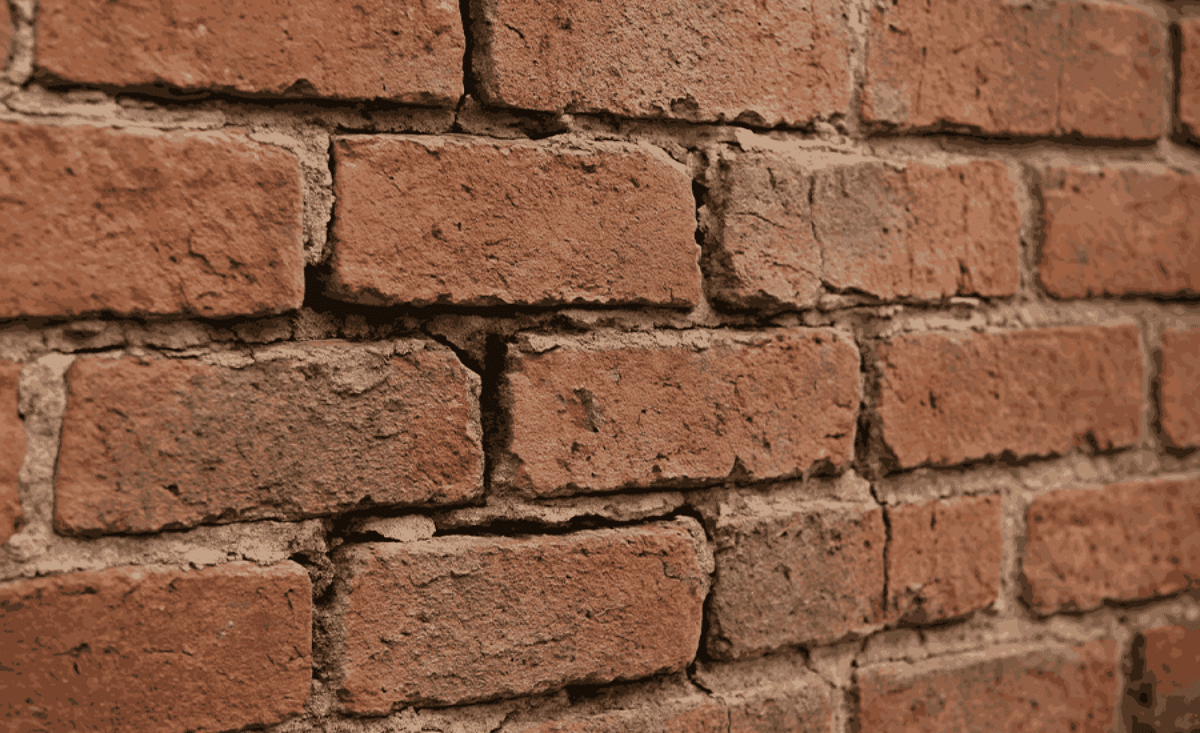
2. Deteriorating Mortar Joints (Spalling)
What to Look For: Mortar that’s crumbling, cracking, or receding from the brick faces. You might notice small piles of sand or mortar dust at the base of walls.
Why It Matters: Mortar is your masonry’s first line of defense against water. When it fails, water penetrates behind the brick, leading to:
- Freeze-thaw damage (especially in the Northeast)
- Interior water damage and mold
- Accelerated deterioration of surrounding masonry
- Structural instability
The Cost of Ignoring:
- Early intervention: $8-$15 per square foot for repointing
- Advanced stage: $15,000-$50,000+ for wall rebuilding, plus interior damage repair
What to Do: Check your masonry during different seasons. Run your hand along the mortar joints—if they feel soft or crumbly, or if you can easily scrape them with a key, it’s time for professional repointing services. Don’t wait until bricks start falling.
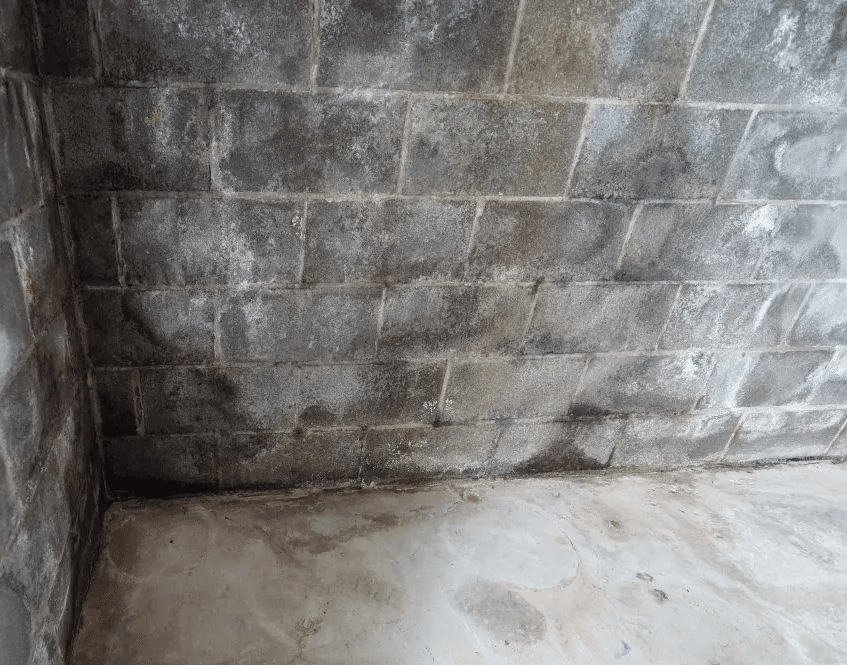
3. White Powdery Deposits (Efflorescence)
What to Look For: A white, chalky substance appearing on brick or stone surfaces, particularly after rain or in basements.
Why It Matters: While efflorescence itself isn’t harmful, it’s a symptom of a bigger problem: water moving through your masonry. The white powder is salt deposits left behind when water evaporates. This indicates:
- Water infiltration through your masonry
- Poor waterproofing or drainage
- Potential for freeze-thaw damage
- Rising damp from ground contact
The Cost of Ignoring:
- Early intervention: $500-$2,000 for improved drainage and minor waterproofing
- Advanced stage: $5,000-$15,000 for comprehensive waterproofing, drainage systems, and masonry repair
What to Do: Don’t just clean off the efflorescence. Trace the source of moisture—it could be:
- Clogged gutters directing water at walls
- Poor grading around the foundation
- Missing or damaged flashing
- Inadequate waterproofing
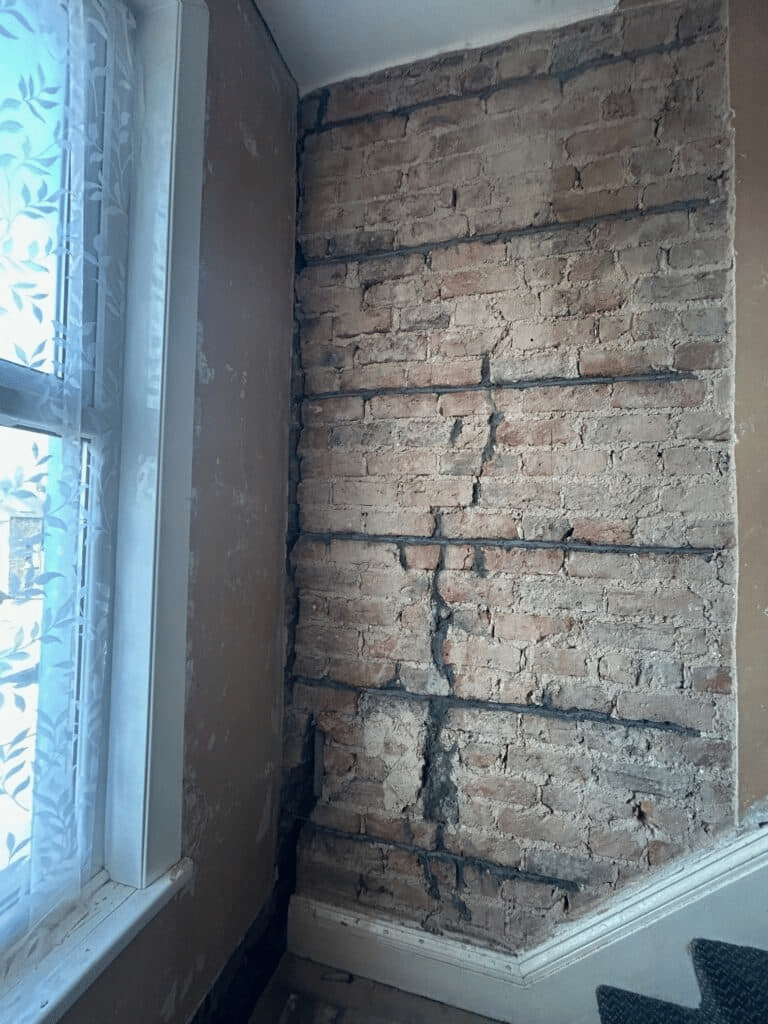
4. Leaning or Bulging Walls
What to Look For: Walls that appear to bow outward or lean, even slightly. You might notice this by standing at the corner of your house and looking down the wall, or by holding a level against the wall.
Why It Matters: This is a serious structural issue that indicates:
- Hydrostatic pressure behind the wall
- Foundation failure
- Inadequate wall ties or structural support
- Potential for sudden collapse
The Cost of Ignoring:
- Early intervention: $3,000-$8,000 for wall anchors or reinforcement
- Advanced stage: $15,000-$40,000+ for complete wall rebuilding and foundation repair
What to Do: Do NOT wait to address this issue. A leaning or bulging wall is a safety hazard. Contact a structural engineer or experienced masonry contractor immediately. This is one problem that can progress from “manageable” to “catastrophic” relatively quickly.
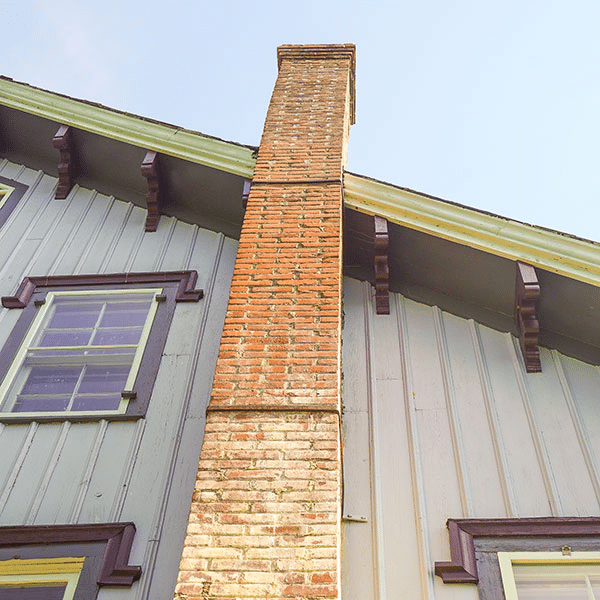
5. Chimney Separation or Tilting
What to Look For: Gaps between your chimney and the house siding, or a chimney that appears to lean away from the house. Inside, you might notice cracks where the chimney meets the ceiling.
Why It Matters: Chimneys are heavy structures built on their own foundations. When they separate from the house, it indicates:
- Independent settlement of the chimney foundation
- Inadequate chimney construction
- Water damage to the chimney structure
- Potential danger of collapse
The Cost of Ignoring:
- Early intervention: $2,000-$5,000 for stabilization and repair
- Advanced stage: $8,000-$20,000+ for complete chimney rebuilding
What to Do: Check for gaps between your chimney and house exterior annually. Use a flashlight to look up inside the chimney for leaning or separated sections. If your chimney is tilting or separating, stop using it immediately and have it professionally evaluated by experienced masons.
Prevention: The Best Investment You Can Make
The common thread through all these issues? They’re far less expensive to fix early than to repair after they’ve progressed. Here’s your prevention checklist:
Spring and Fall Inspections
- Walk your property’s perimeter
- Check all masonry for cracks, deterioration, or movement
- Inspect chimneys from ground level
- Look for water stains on basement walls
Maintain Proper Drainage
- Keep gutters and downspouts clear
- Ensure downspouts direct water at least 6 feet from the foundation
- Grade soil to slope away from your home
- Consider adding extensions to downspouts
Professional Inspections
Even if you don’t see obvious problems, have your masonry professionally inspected every 3-5 years. A trained eye can spot issues before they become visible to homeowners.
Document Everything
Take photos of your home’s masonry annually. This creates a record that helps you and professionals identify changes over time.
When to Call a Professional
While DIY home improvement is wonderful for many projects, masonry structural issues aren’t the place to experiment. Call a licensed masonry professional if you notice:
- Any of the five warning signs above
- Multiple small cracks appearing in a short time
- Interior water damage or recurring dampness
- Doors or windows that suddenly stick or won’t close properly
- Any crack wider than 1/4 inch
The Bottom Line
Your home’s masonry is like the foundation of your financial future—literally and figuratively. Small investments in preventive maintenance and early repairs can save you tens of thousands of dollars down the road. More importantly, they protect your family’s safety and your home’s value.
Don’t wait for a small crack to become a catastrophe. Regular inspection, maintenance, and prompt professional attention to warning signs will keep your home solid, safe, and valuable for decades to come.
Pro Tip: Create a home maintenance file with dated photos of your masonry. This helps you track changes and can be valuable documentation if you need insurance claims or when selling your home.