

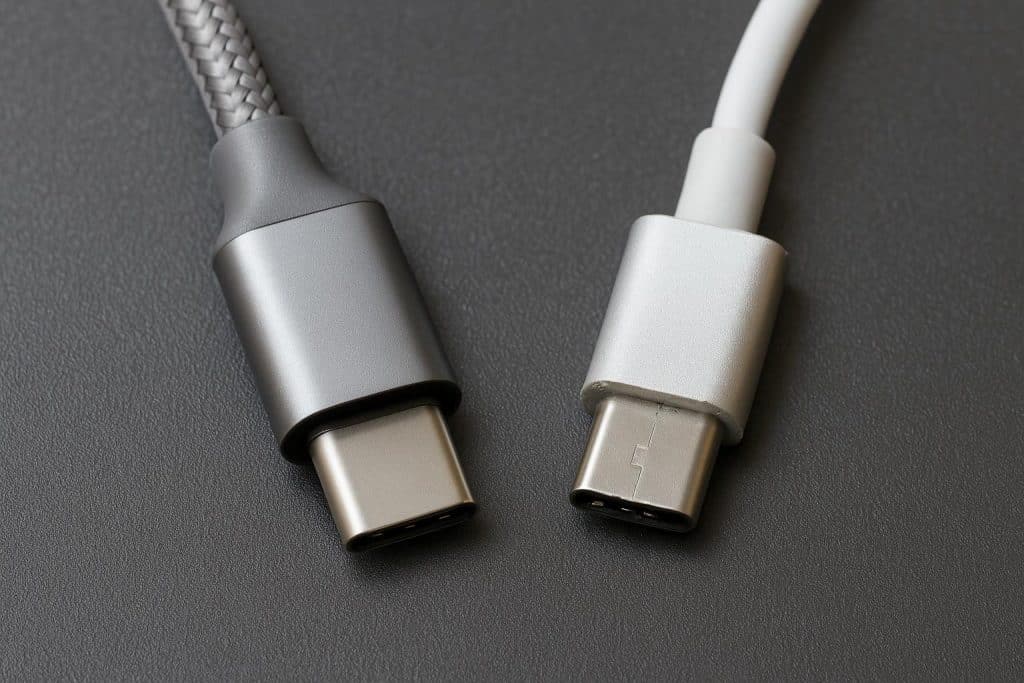
A quick search for USB cables online returns hundreds of nearly identical-looking listings at price points that range from pocket change to a genuine investment. Most shoppers assume the cheaper option will do just fine. In many cases, though, the real differences hide beneath the outer sleeve. How a cable is built, what materials go into it, and whether it has been tested to any standard all determine whether it lasts six weeks or six years. Understanding a few key distinctions makes the buying decision far simpler.
1. Connector Build Quality
Plugs take a beating. They get jammed into ports, yanked out at odd angles, and tossed into bags thousands of times over the life of a cable. Gold-plated contact pins resist oxidation that can gradually weaken a connection, while reinforced housings prevent the plug from cracking under pressure. Shoppers who buy USB cables online should pay close attention to how the connector meets the cord. A molded strain relief at that junction absorbs tension and prevents the tiny internal wires from snapping, which remains the single most common reason inexpensive cables stop working.
2. Conductor Material and Purity
The metal running through a cable’s core dictates how well it carries power and data. Budget products frequently substitute copper-clad aluminum for solid copper. That swap cuts manufacturing costs but increases electrical resistance and accelerates corrosion. Oxygen-free copper, on the other hand, withstands repeated flexing and delivers a cleaner, more stable signal path. Over months of regular use, that material gap shows up as slower transfers, inconsistent charging, or outright failure in the lesser product.
3. Shielding Layers
Every desk, nightstand, and backpack is full of electronics, throwing off electromagnetic interference. Without proper shielding, that noise bleeds into a cable’s signal path, disrupting data or slowing charging. Higher-grade cables wrap their conductors in braided metal or foil barriers, sometimes layering both for added protection. Cheaper products might include a single flimsy layer or skip shielding altogether. For anyone moving large files or routing audio, that missing barrier becomes obvious fast.
4. Jacket and Outer Construction
The outer sleeve is essentially a cable’s armor. Nylon braiding resists fraying and tangling. Silicone stays flexible in cold weather. Thermoplastic elastomer balances softness with tear resistance. Thin PVC, the material found on most bargain cables, stiffens over time, cracks under heat, and splits after a few months of coiling. A durable jacket also protects shielding and conductors from moisture, abrasion, and the general wear of daily handling.
5. Data Transfer Certification
USB standards have grown increasingly layered with each new generation. A cable rated for USB 2.0 cannot physically support the bandwidth required by USB 3.2 or USB4 connections. Certified products pass independent lab testing that confirms published speed and power claims. Uncertified alternatives may print impressive figures on the box without any third-party verification. Looking for official certification marks on the packaging is one of the quickest ways to confirm a product actually performs as described.
6. Power Delivery Ratings
Fast-charging protocols demand precise voltage and amperage, and the cable itself is part of that equation. A product rated for higher wattage handles the current without generating excessive heat at the connectors. Thin-gauge internal wiring inside discount cables restricts that flow, resulting in longer charge times and warm plugs that stress both the cable and the device. Matching a cable’s rated wattage to a device’s charging requirements protects long-term battery health while reducing charging time.
7. Bend and Flex Endurance
Reputable manufacturers test their cables through thousands of controlled bend cycles at the stress points near each connector. Published results often exceed 10,000 flexes before any internal conductor shows signs of fatigue. Generic products rarely undergo that kind of testing, and the absence of published figures usually tells its own story. For anyone who coils a cable daily, whether for commuting, traveling, or simply tidying a desk, documented flex ratings offer a practical preview of how long the product will actually survive.
8. Warranty and Manufacturer Accountability
A strong warranty reflects a company’s trust in its own product. Established brands back their cables with multi-year coverage and accessible customer support teams. Faceless marketplace sellers, by contrast, often vanish after the transaction clears, leaving buyers with zero recourse when a cable dies in its second month. Reviewing warranty length, return windows, and support responsiveness before clicking “add to cart” adds a layer of confidence that the purchase is genuinely protected.
Conclusion
The sticker price reveals very little about what a USB cable can actually deliver over time. Conductor purity, shielding design, connector craftsmanship, certified performance ratings, and honest warranty coverage all separate a product built to last from one built to sell. Spending a few extra minutes evaluating these eight factors before placing an order breaks the frustrating cycle of replacing dead cables every quarter. A more informed choice upfront pays for itself many times over in reliable, long-term performance.