

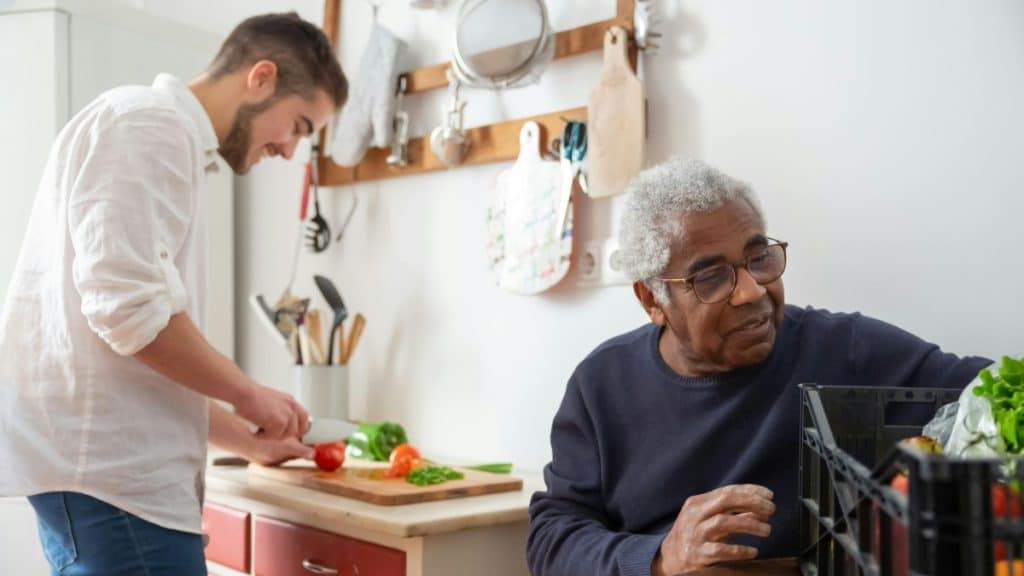
As we age, our living environments need to evolve to meet our changing needs. Creating a senior-friendly home isn’t just about safety—it’s about fostering comfort, accessibility, and independence. For seniors planning to age in place, small adjustments and thoughtful upgrades can make a big difference. From reducing fall risks to improving convenience, these changes ensure that the home remains a safe and welcoming space.
This article highlights nine practical ways to make your home more accommodating for seniors. Whether you’re preparing your home for aging family members or planning for your own future needs, these tips provide actionable solutions that prioritize safety and ease of use.
1. Install Non-Slip Flooring
Falls are one of the leading causes of injury among seniors, and slippery floors often contribute to accidents. Installing non-slip flooring is a crucial step in reducing this risk. Consider materials like textured vinyl, cork, or slip-resistant tiles, which provide better traction compared to traditional hardwood or smooth tile surfaces.
In addition to permanent flooring changes, use non-slip mats in areas prone to moisture, such as bathrooms, kitchens, and entryways. These simple additions help prevent falls while ensuring that your home remains comfortable and stylish. For rugs, add non-slip backing or adhesive pads to keep them securely in place.
2. Upgrade the Bathroom
The bathroom is one of the most high-risk areas for seniors, which makes senior-friendly bathroom remodeling essential. Start by adding grab bars near the toilet and inside the shower or tub to provide extra support. Consider installing a walk-in tub or a zero-threshold shower for easier access.
Higher toilets, also known as comfort-height toilets, reduce the strain on knees and joints, while non-slip flooring helps prevent slips. For a more comprehensive approach, professionals like bathroom remodeling experts can assist in creating a safe, functional, and aesthetically pleasing bathroom that meets the specific needs of seniors.
3. Improve Lighting
Proper lighting is crucial for seniors, as diminished vision can make navigating the home more challenging. Start by replacing dim bulbs with bright, energy-efficient LED lights. Ensure that every room has even, glare-free lighting, and consider layering light sources with ceiling fixtures, table lamps, and wall-mounted lights.
Motion-sensor lighting is particularly useful in hallways, staircases, and bathrooms, providing illumination without the need to fumble for switches. Nightlights in bedrooms and hallways can also help prevent falls during late-night trips to the bathroom or kitchen.
4. Make Doorways and Hallways Accessible
Narrow doorways and hallways can be a challenge for seniors, especially those using wheelchairs, walkers, or canes. Widening doorways to at least 32 inches allows easier navigation. If structural changes aren’t possible, install offset hinges, which can add up to two extra inches of clearance without major renovations.
Clear pathways are equally important. Remove unnecessary furniture, rugs, or clutter that could obstruct movement. Ensure that all hallways and doorways are well-lit to make navigation safer and easier.
5. Install Handrails and Grab Bars
Handrails and grab bars provide essential support for seniors in areas where balance might be an issue, such as staircases and bathrooms. Install sturdy handrails on both sides of all staircases and ensure they are securely anchored to support body weight.
Grab bars should be placed near the toilet, inside showers, and around bathtubs. These fixtures aren’t just functional—they can also blend seamlessly with your home’s décor when chosen in stylish finishes like brushed nickel or chrome. Properly installed handrails and grab bars help seniors maintain stability and reduce the risk of falls.
6. Adjust Kitchen Layout
The kitchen is a central space in any home, but for seniors, its layout can significantly impact usability and safety. Start by organizing frequently used items, such as cookware, utensils, and pantry staples, within easy reach. Avoid storing heavy or essential items in high cabinets or low drawers that require bending or stretching.
Pull-out shelves, lazy Susans, and soft-close drawers are excellent upgrades that enhance accessibility and reduce strain. Additionally, appliances with senior-friendly features, such as easy-to-read controls and push-button interfaces, make daily tasks more manageable. These changes not only improve functionality but also allow seniors to maintain independence in the kitchen.
7. Create a Bedroom on the Main Floor
For seniors with mobility challenges, climbing stairs to access a bedroom can become difficult. Creating a bedroom on the main floor eliminates this issue and provides a more convenient living arrangement. If your home has extra space, such as a den or office, consider converting it into a main-floor bedroom.
In designing this space, prioritize comfort and accessibility. Place the bed and essential furniture within easy reach, ensuring pathways are clear and unobstructed. Adding nightstands with built-in lighting or charging stations can also enhance convenience, making the room a functional and safe retreat for seniors.
8. Use Smart Home Technology
Smart home devices can significantly enhance the safety and convenience of a senior-friendly home. Voice-activated assistants like Amazon Alexa or Google Home allow seniors to control lighting, adjust thermostats, or set reminders without needing to get up. Smart lighting systems with motion sensors ensure that rooms are well-lit when needed, reducing the risk of trips and falls.
Doorbell cameras and smart locks provide added security, allowing seniors to see who’s at the door and manage entry without physical effort. Fall detection systems and medical alert devices integrated into smart systems can also provide peace of mind for both seniors and their families.
9. Declutter and Simplify
Clutter poses a serious risk to seniors, as it can lead to trips, falls, or difficulty navigating the home. Simplifying the living space is an easy yet effective way to make the home safer. Remove unnecessary furniture, cords, and decorations that may obstruct pathways or create hazards.
Organize storage areas so that essential items are easy to find and access. Adding labeled bins or shelving can help keep things tidy and organized. Simplifying the home not only reduces risks but also creates a more peaceful, stress-free environment for seniors to enjoy.
Creating a senior-friendly home doesn’t require a complete overhaul. Small but meaningful changes, like upgrading the bathrooms, adjusting the kitchen layout, and incorporating smart home technology, can significantly improve safety, comfort, and independence for seniors. These adjustments, combined with thoughtful upgrades like main-floor bedrooms and decluttering, make aging in place a more practical and enjoyable option.
Start by assessing your home’s current setup and identifying areas where improvements are needed most. By making these changes now, you can create a safe, functional, and welcoming environment for yourself or your loved ones. Aging in place becomes not just possible, but a comfortable and empowering choice.