

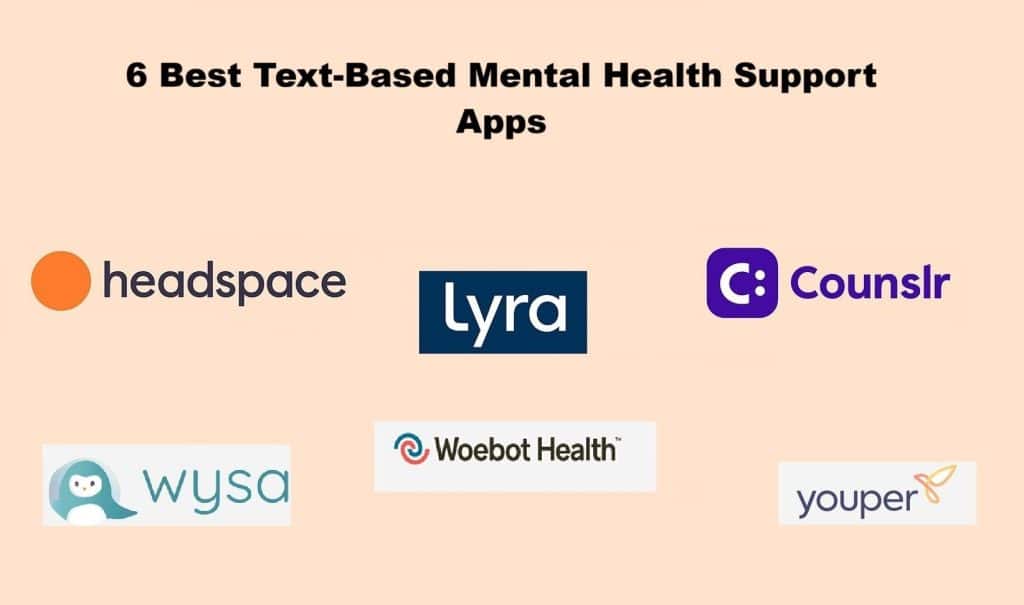
Many people today want mental health help that is simple, private, and easy to reach on a phone. One option is text-based support. In these services, you talk by text with a counselor or use a digital coach that guides you through your thoughts.
This article explains what text-based support is, how it is different from therapy, and gives examples of well known platforms. It is for information only. It is not medical advice and it does not promote any one company.
How Text-Based Support Sessions Work
Text-based support sessions are real-time or near real-time conversations through text. Some newer platforms focus mainly on live text-based mental health support sessions. In these platforms, users can start a real time chat, often for a set time such as 40 to 45 minutes, and return for more sessions when they need support. These services aim to give quick access to a person who understands mental health issues and help users talk through what they feel before things become more serious. Offer early guidance and coping tools rather than full therapy. Many of these services are offered through schools, workplaces, and community programs instead of to individual buyers.
There are many types of text based support tools nowadays:
- A licensed counselor that texts you
- A trained mental health coach that texts you
- Or an AI based digital companion trained on psychology and advanced mental health support methods.
The goal is to give:
- Emotional support
- Guidance for daily stress
- Simple coping tools
Help deciding if more care is needed
These sessions are usually non clinical. They do not replace psychotherapy, medical care, or emergency help.
How is this different from text therapy?
Therapy, or psychotherapy, is a formal treatment for mental health conditions. The National Institute of Mental Health explains that psychotherapy uses research based methods to help people change troubling thoughts, feelings, and behaviors. It is given by licensed professionals such as psychologists, clinical social workers, and counselors.
Key points about therapy:
- It can include diagnosis and a treatment plan
- It often uses structured methods such as cognitive behavioral therapy (CBT) or dialectical behavior therapy (DBT)
- It usually follows rules for medical or psychological care
Text therapy is the same kind of treatment, but the main contact is by written messages instead of in person or by video.
In contrast, text-based support sessions:
- Focus on everyday stress and life problems
- Help people feel heard and calmer
- Share coping ideas and self care steps
- May suggest when to seek therapy or medical help
They are part of mental health support, but they are not the same as full therapy.
What to look for in a text-based support platform
When you look at platforms that offer text-based support, some useful points to check are:
- Who provides support
- Availability
- Session style
- Privacy and data rules
- Extra tools
No single platform fits everyone. The best choice depends on what kind of help a person wants and how comfortable they feel with human or AI based support.
Two main types of platforms
Most text-based tools fall into two broad groups.
- Human led services
- AI based companions
Below are examples from both types, based on what each company shares publicly.
Top Human-Based Text-based Support Companies
1. Headspace Care
Headspace Care (for organizations) offers confidential mental health care for members through:
- Behavioral health coaching by text based chat
- Self guided resources
- Video based therapy and psychiatry in some plans
Headspace also offers text based coaching plans where users can have several text based sessions per month with a dedicated coach inside the app.
The coaching is meant for everyday stress, habits, and life challenges. For more complex needs, members may be directed toward therapy or psychiatry within the same ecosystem.
2. Lyra Health
Lyra Health works with employers to provide mental health care as a workplace benefit. Its care model can include:
- Coaching programs delivered by live text based messaging
- Digital exercises that go with the coaching
- Therapy and other higher levels of care when needed
Clinical research from Lyra shows that its text based coaching for adults with moderate anxiety can reduce symptoms and is seen as helpful by many users.
Coaching programs support people with stress, work challenges, and mood concerns. They are not the same as full psychiatric treatment, but they can be a step before or alongside therapy.
3. Counslr
Counslr is a text-based mental health support platform that partners with organizations such as schools, employers, and community groups. It provides:
- Unlimited live text-based sessions with licensed mental health professionals
- Access 24 hours a day, 7 days a week, 365 days a year
- On-demand support, usually within a few minutes, or scheduled sessions
- An in-app library of self-guided wellness resources for topics like stress, sleep, and habits
Counslr is used in a growing number of school districts and higher education settings, as well as workplaces, to give covered users a private way to talk to a counselor and get early support before problems become more serious.
Top AI-based Text Mental Health Support Companies
1. Wysa
Wysa is an AI mental health app. It offers:
- A chat based AI companion
- A self care library with more than 200 digital tools
- Exercises based on CBT, dialectical behavior therapy (DBT), and mindfulness techniques
The chatbot is available at any time. In some versions and programs, Wysa can be linked with human clinicians or used inside a larger care model, and there are tools for crisis detection and escalation in certain products such as Wysa Copilot.
The main aim is to support people dealing with stress, low mood, or worry, not to replace formal therapy.
2. Woebot
Woebot is an AI mental health chatbot that uses ideas from CBT to help users notice and change unhelpful thought patterns.
Users chat with Woebot through an app. The bot offers:
- Mood tracking
- Short reflections
- Guided skills such as reframing negative thoughts
Woebot is described as a support tool that can sit beside other treatments. It is not meant to diagnose or give medical advice.
3. Youper
Youper is an AI mental health chatbot that guides users through conversations and exercises to improve emotional health.
Public information states that:
- It uses psychology and AI to personalize support
- It offers tools to reduce stress, boost mood, and support relationships
- Many users report that it helps them manage anxiety and depression symptoms
Youper is designed to be a digital companion, not a replacement for human therapy.
How organizations use these tools
Schools, universities, and employers often add text based support platforms to their wider mental health efforts. Typical uses include:
- Giving students or staff a way to reach support outside normal office hours
- Offering a private channel for people who feel shy about talking face to face
- Filling gaps when local services have long wait times
Many mental health companies now provide scaled text based support to schools, workplaces, and communities to meet these needs.
These tools are often layered with:
- On campus or on site counseling
- Employee assistance programs
- In person or video therapy
- Self guided education and wellness programs
Benefits and limits of text-based support
Possible benefits
Studies and reports on digital mental health tools show several common benefits:
- Easier access for people who live far from clinics or have busy schedules
- Lower stigma for people who feel nervous about traditional therapy
- Continuous support or check ins between other appointments
- Help with early stress before it becomes a crisis
Users often say they find convenience and privacy to be major advantages.
Important limits
At the same time, experts point to clear limits:
- AI chatbots can miss emotional nuance and cannot fully match human empathy
- Many tools avoid diagnosing or treating illness and are meant to stay on the support side, not the medical side
- Research on some apps is still early, and not all studies are large or independent
Because of these limits, most experts suggest using text-based tools as part of a wider mental health plan, not as the only source of care.
Who might benefit from these platforms
Text based support platforms may help:
- Students facing academic stress or social pressure
- Employees dealing with burnout, workload stress, or change at work
- People who are unsure about starting therapy but want to talk to someone
- People who prefer writing to speaking
- Those in places with few local mental health providers
For people with long lasting or severe symptoms, or for those already in treatment, these services may work best as a supplement to regular care rather than a replacement.
Safety and when to seek urgent help
Text based platforms are not emergency services. They cannot replace:
- Emergency hotlines
- Hospital care
- In person crisis teams
If someone is in immediate danger or thinking of harming themselves or others, they should contact local emergency services. In the United States, they can call or text 988 to reach the Suicide and Crisis Lifeline.
Final thoughts
Text based mental health platforms give people new ways to reach support. Some services connect users with licensed counselors or mental health coaches by live chat. Others use AI companions to guide users through simple exercises and reflections.
These tools can make it easier to ask for help early, manage daily stress, and stay connected between other forms of care. At the same time, they do not replace therapy, medical care, or emergency support.
Understanding what each platform offers, who provides the support, and what the limits are can help individuals and organizations choose tools that fit their needs in a safe and realistic way.