

Understanding Produce-Based Micronutrients
Produce-based micronutrients are far more than a nutritional checklist. They are the metabolic spark plugs that keep your cells running at full capacity. Vitamin A from leafy greens supports the genetic programming of cells, influencing how they grow and repair. Vitamin C, abundant in citrus and peppers, drives collagen synthesis, the scaffolding of skin and connective tissues. Potassium and magnesium quietly calibrate nerve impulses and muscle contractions. B-complex vitamins from legumes and whole grains ignite the biochemical storms of the Krebs cycle, converting food into usable energy without leaving metabolic debris. Vitamin K from crucifers fine-tunes blood clotting and bone metabolism. These nutrients behave like orchestra members playing in unison, their biochemical interplay determining whether your body operates like a tuned symphony or a tired street band.
Beyond Vitamins: The Phytonutrient Spectrum
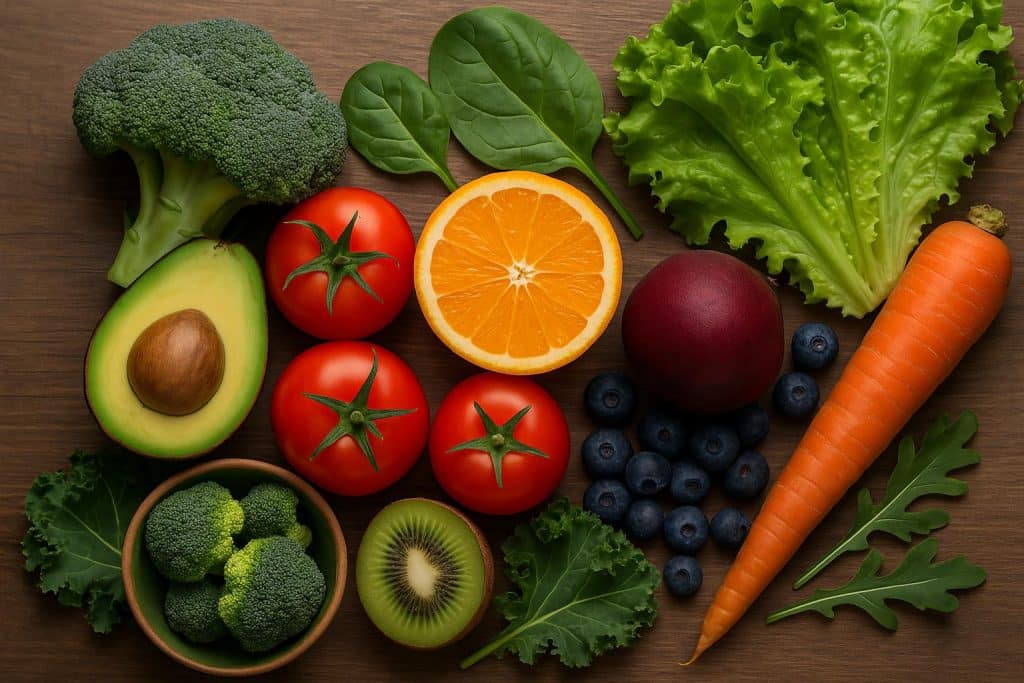
Phytonutrients in plant foods are bioactive compounds such as flavonoids, carotenoids, and anthocyanins that operate outside the textbook definitions of “vitamin.” They amplify the benefits of traditional micronutrients with precision. Lycopene, found in tomatoes, pairs with vitamin E to shield arteries from oxidative chaos. Quercetin in onions potentiates vitamin C’s immune resilience, building layered defenses against microbial intrusion. The quickest way to cover this vast chemical range is to eat across the color wheel. Deep greens carry chlorophyll-rich allies, purple fruits deliver anthocyanin punch, and yellows and oranges bring carotenoids that sharpen cellular communication. Treat your plate like an artist’s palette and the spectrum will handle the science for you.
Optimizing Vitamin Intake from Fresh Harvests
Vitamin intake from fresh foods peaks when the produce is caught at its highest physiological maturity. The scent should be pronounced, the skin firm but not rigid, and color saturated. These cues tell you that internal chemistry has reached optimal potency. Store your harvest at temperatures that slow degradation without reaching the chill damage threshold. Avoid light exposure that erodes photolabile compounds. Humidity needs to keep leafy items crisp without inviting decay. When cooking, treat vitamins like delicate guests; quick steaming preserves far more than prolonged boiling, which leaches water-soluble assets into the drain. Your kitchen is the battlefield where nutrient survival is either won or lost.
Smart Food Pairings for Maximum Absorption
Enhanced plant-based vitamin absorption requires strategic pairing, not luck of the draw. Fat-soluble vitamins like beta-carotene in carrots latch onto dietary fats for transport, making avocado or olive oil ideal allies. Non-heme iron in spinach wakes up under the influence of citric acid; a direct squeeze of lemon is enough to transform bioavailability. Curcumin’s stubborn resistance to absorption yields when partnered with piperine from black pepper, creating a molecular doorway. Precision in pairing can mean the difference between expensive compost and measurable nutritional gain.
When Supplementation Complements Your Diet
Produce supplement options are not a crutch. They are a tactical reinforcement when your food roster leaves biochemical holes. Vitamin B12 remains scarce in plants, making it a common gap for strict plant eaters. Vitamin D is elusive without significant sun exposure or fortified foods. The elderly, over-scheduled professionals, and habitual travelers often face depleted stores due to inconsistent fresh intake. In these cases, choosing a well-formulated supplement with third-party testing and whole-food sourcing ensures you’re adding measurable value instead of expensive fillers. For a targeted approach to fruits and vegetables vitamins, seek blends that play well with your existing diet rather than replacing it.
Adjusting Plant Intake Through Life’s Stages
Plant-nutrient adjustments across life stage make the difference between optimal function and gradual decline. Teens ride a rapid growth curve that demands high B-vitamin throughput and calcium density. Adults find equilibrium by boosting vitamin K and maintaining D levels to protect both vascular and skeletal integrity. Seniors move into cognitive preservation mode, where B12 and folate prove indispensable for neural upkeep. The quantities and ratios shift like gears in a performance engine. Ignore the timing and you end up forcing your biology to run on mismatched parts.
Meal Planning Strategies for Sustained Nutrient Power
Sustained produce nutrient planning succeeds when you commit to color-driven variety. The “rainbow rota” is simple: stack at least five distinct pigment groups into your daily routine. This instantly broadens your micronutrient and phytonutrient spectrum without tedious calculations. Batch-prep brights and greens for fast deployment during the week. Overnight fruit infusions in water add subtle compounds with zero extra cooking. Track your colors using a single nutrient chart, hitting categories rather than counting carrot sticks or spinach leaves. That is how you scale quality across months, not just days.
Cultivating Lifelong Vitality Through Plant Nutrition
Integrating produce nutrients into your personal infrastructure is a matter of relentless repetition. Swap a processed snack for an apple today. Add a handful of greens tomorrow. These small acts compound. Anchor them in ritual — a Sunday chopping session, a morning smoothie — so they resist the chaos of daily demands. Keep an eye on your color and variety through a stripped-down food journal. When your life pivots, the habit base you’ve built will keep your body fueled with the complex plant chemistry it thrives on.