

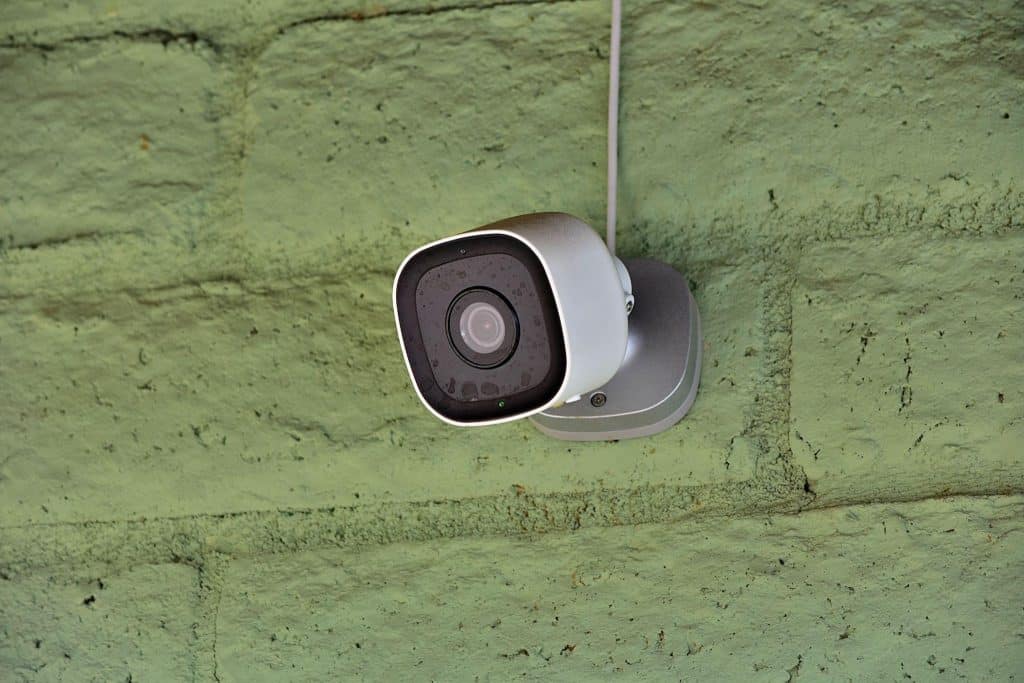
In an increasingly popular and identifiable security environment, finding an effective way to protect yourself, your home and business is practically the same as finding an effective way to keep you safe. But one of the most cost-effective and effective ways to upgrade your security system is to install CCTV cameras. If you are going to be protecting a residential property or an office building, then you need to install CCTV cameras which will provide 24/7 monitoring, video evidence and peace of mind. In this article we will walk you through how to set up CCTV cameras on your property, its benefits. What tools you will need and also the best practices to follow when putting them up.
Why Install CCTV?
Before we move on to the steps of installation one must first know why installing CCTV systems is so vital.
Firstly, install CCTV cameras act as a huge deterrent against theft, vandalism and trespassing. Criminals are a lot less likely to target properties where they can clearly see what the cameras are doing and this visual deterrent in itself can stop thousands of burglaries before they happen. Second of all, install CCTV systems also offers valuable real-time monitoring. So whether you’re on the other side of the world at work, off on vacation or simply somewhere else in your house you can always view live footage from your phone or computer for the very best in monitoring security at all times.
Another big bonus is having recorded footage. If any type of incident does happen (break in, suspicious activity, or even an employee vs. employee dispute) having a high quality video recording can help you settle matters more quickly. Police investigations tend to be heavily reliant on CCTV footage and insurers will sometimes ask for it for claims. Lastly, installing CCTV increases overall peace of mind. Being aware you have another layer of security helps increase your sense of security and lessen your stress particularly when living in an enviable environment.
Types of CCTV Systems to Consider
As you’ll find when making a decision on installing CCTV there are different types of cameras and sets of apparatus you’ll need and each one has its own pros and cons.
1. Wired CCTV Systems
Wire systems are very reliable. They usually use coaxial or Ethernet cables to link the cameras to a central recorder. They ‘re best for big properties or businesses where a lot of cameras are needed. They ‘re more labor intensive but they have high quality, stable video and less interference.
2. Wireless CCTV Systems
Wireless systems are easier and faster to set up. Connect to Wi – Fi. Good for houses and small offices. CONS Wireless systems will be influenced by network signal strength if the Wi – Fi network is weak /overcrowded.
3. IP Cameras
Internet Protocol ( IP ) cameras use state of the art digital camera technology to deliver high resolution images with built in smart features ( motion detection and facial recognition ). They are often already equipped with built-in mobile apps for remote control.
4. Indoor vs. Outdoor Cameras
Outdoor cameras are built to withstand the elements and can often be equipped with night vision as well as wide angle lenses Indoor cameras are often smaller and less noticeable When you choose to install CCTV to install it, it ‘s important to use the right combination of indoor and outdoor cameras so you get total coverage.
Planning Your CCTV Installation
Planning is one of the most important things you have to do when you are installing CCTV. There is no effective monitoring of any system without proper planning.It starts with identifying your high-risk areas.Next you should think about camera placement. Cameras should be high enough to not be tampered with but still in an angle that covers a reasonable distance.
Also note the power source. Wireless cameras need access to power outlets Wireless cameras require good Wi – Fi coverage As long as you can use Wi – Fi extenders ( or add access points ) you can add extra coverage to the network.
Finally decide on the storage system. This could be a DVR or NVR, or cloud based storage or both.
Step-by-Step Guide to Install CCTV Cameras
1. Mount the Cameras
First you need to decide where you ‘re going to place each camera. Make holes in the ground to screw the brackets into. Make sure it is secure enough to not move around as much in different weather conditions. Make sure your camera covers the area you ‘re going to and make sure that ‘s the angle for blind spots.
2. Run Cables (for Wired Systems)
If you are going to use a install cctv system, run the cables that you want from each camera to the recorder. Keep your cables tidy with clips or conduits. Don’t run cables near high voltage lines because a diverging signal can be caused.
3. Power Up the System
Plug in each camera and the recorder ( make sure power sources are safe and not sources of water / dust ). Once power is on the system should start showing the camera feed on your monitor.
4. Configure the System
Log into the DVR / NVR menu. You now assign names to all the camera locations (e. g. “Front Door”, “Parking Area”). You can add motion detection zones, recording schedules, video quality, and notifications.
5. Connect to the Internet
For remote viewing you would connect the recorder to your router via Ethernet cable. You would then install the corresponding mobile app, and follow the on screen setup instructions to connect the system to your smartphone.
Common Mistakes to Avoid
Humans make things that they think are improbable mistakes when they put CCTV in. For starters, taking the cameras too high or too low causes bad viewing angles. Another common mistake people make is not considering night vision. Make sure your cameras have infrared or low light capabilities.Some users also rely solely on wireless systems in large properties where Wi-Fi is weak, which affects performance. Lastly, many overlook proper storage capacity. If your storage is too small, critical footage may be overwritten too quickly.
Conclusion
CCTV installation is one of the best decisions you will ever make regarding your security. Maybe you are installing the cameras at your home or at your business premises. If correctly planned and installed, a properly installed system can deter crime, produce measurable evidence and always give you peace of mind. Learn more about different types of cameras, prepare properly and follow the steps of installation correctly to build a great surveillance system according to your needs.