

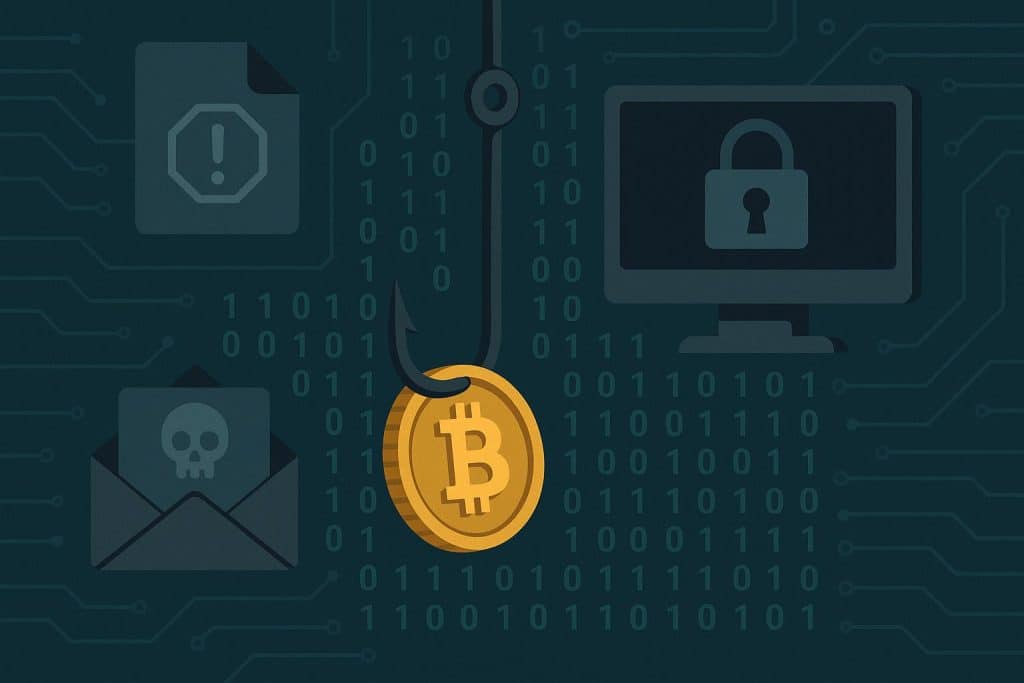
Cryptocurrency promises a future of financial freedom, borderless transactions, and the chance to be part of a technological revolution. Yet, beneath this promise lies a dark undercurrent: scams that strip investors of money while leaving them questioning their own judgment.
What makes these scams so effective is not merely clever trickery; it is the subtle manipulation of human psychology. The techniques are invisible, the traps are everywhere, and most people don’t even realize they’ve been ensnared until it’s too late.
This article from Cyrosalnix delivers a clear and detailed explanation of the subject, supported by insights from their expert brokers.
The Invisible Chains of FOMO
Fear of missing out, or FOMO, is a psychological force that drives human behavior far more than logic or reason. In the world of crypto, this manifests as high-pressure marketing and narratives of overnight wealth. Scammers know that promising astronomical returns triggers a reflexive response: act now, ask questions later.
The brain becomes fixated on potential rewards while risk evaluation is sidelined. That sense of urgency makes investors move quickly, often without due diligence, because the thought of “missing the next big coin” feels more dangerous than losing a small amount of money. In this way, urgency is not a byproduct; it is the engine of the scam.
The Comfort of Belonging in Digital Communities
Humans are social creatures. From the earliest hunter-gatherers to the modern day, belonging to a group signals safety and acceptance. Crypto scammers exploit this instinct by building virtual communities that feel exclusive and supportive. These groups flood participants with success stories, testimonials, and even fake transaction confirmations.
The social environment is engineered to suppress skepticism, making investors believe they are part of a knowledgeable and trustworthy collective. Once a sense of belonging takes root, the rational mind becomes secondary. Decisions are influenced less by logic and more by the desire to conform and be accepted.
Confirmation Bias and the Desire to Believe
Once hope is activated, the human mind has a remarkable ability to filter information selectively. Confirmation bias ensures that we notice data that supports our desires while dismissing evidence that contradicts them. Crypto scammers exploit this by creating content that reinforces belief: fake screenshots of withdrawals, testimonials of consistent returns, and seemingly active customer support.
Even when doubts arise, the brain prioritizes the narrative of success. Investors are not foolish; they are experiencing the natural tendency to see what they want to see, a cognitive shortcut that scammers exploit with precision.
The Slow Escalation of Commitment
Scammers rarely demand large sums upfront. Instead, they employ a slow escalation strategy. Investors are first encouraged to deposit a modest amount, then shown fabricated profits, and gradually persuaded to increase their stakes. This process exploits a psychological principle known as escalation of commitment: the more effort, time, or money we invest, the harder it becomes to withdraw.
By the time the final manipulation occurs, individuals are psychologically tethered, finding it difficult to disentangle themselves even when red flags appear. The slow, step-by-step approach keeps victims entangled and psychologically invested, making recovery both emotionally and financially challenging.
The Role of Perceived Generosity
Generosity is another psychological lever that scammers wield with subtlety. Offering a small bonus on an initial deposit, a complimentary trading guide, or a minor profit early on triggers a sense of reciprocity. When someone gives us something, even if it is minimal or fabricated, the natural impulse is to give back in return.
This creates a sense of obligation, nudging investors toward increased participation or larger deposits. Scammers engineer these gestures to feel meaningful, knowing that the emotional pull of giving back can override careful consideration of risk.
Hope: The Core of Manipulation
Among all psychological triggers, hope is the most powerful and the least visible. Crypto scams thrive because they sell the idea of a better future, a chance to escape financial strain, to achieve freedom, or to be part of an exclusive digital revolution. Once hope is engaged, it colors perception and diminishes skepticism.
Investors start to justify anomalies, rationalize inconsistencies, and overlook warning signs. This emotional engagement is what makes scams so devastating: they are not just financial traps but manipulations of the human desire for a brighter future.
The Silent Epidemic of Shame
After a scam has succeeded, victims often remain silent. Shame and embarrassment prevent disclosure, and this silence enables scammers to perpetuate the cycle. The fear of judgment, combined with the wish to protect one’s reputation, discourages reporting and allows fraudulent networks to grow unchecked.
This is a critical component of why crypto scams continue to thrive: the psychological impact is as important as the financial one. Recognition and awareness are key defenses, yet the social stigma of being scammed keeps many from learning or warning others.
Reclaiming Awareness Before It’s Too Late
Understanding these psychological triggers is essential for anyone engaging with cryptocurrency. Scams are successful not because people are gullible, but because they target instincts, emotions, and cognitive shortcuts that every human possesses.
Awareness acts as a shield, enabling potential investors to pause, question, and analyze before committing funds. Recognizing the signs of urgency, artificial authority, social manipulation, and the promise of effortless profit empowers individuals to make decisions rooted in logic rather than emotion.
Conclusion: Seeing the Invisible Forces at Play
Crypto scams are not random; they are engineered experiences designed to exploit the way humans think, feel, and hope. They manipulate social instincts, cognitive biases, and emotional vulnerabilities with precision. Understanding why these scams work is less about condemning victims and more about understanding human nature. The better we understand the psychological forces at play, the better we can protect ourselves and others.
Every click, deposit, or referral is influenced by invisible levers, urgency, authority, social belonging, and hope. Awareness is the only tool that can illuminate these forces and neutralize them before they pull you in. Crypto remains a promising frontier, but it is a landscape where psychological traps are as important to navigate as financial ones. Learning to see the triggers is not just an advantage; it is a survival skill in the digital age of finance.
Disclaimer: This article is provided for informational purposes only and should not be considered financial, trading, or investment advice. The accuracy, completeness, and reliability of the content, including any references or links to third-party sources, are not guaranteed. Readers are responsible for conducting their own research and verifying information before making any financial decisions.