

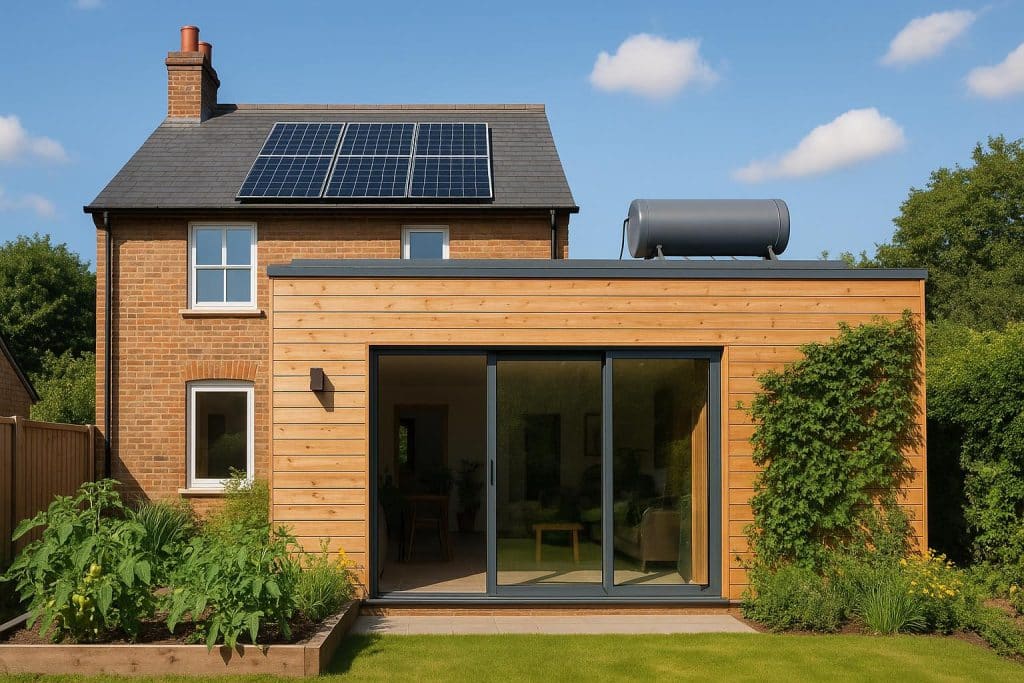
Picture this: you’re sipping your morning coffee in your brand-new extension, natural light streaming through energy-efficient windows, while your electricity meter barely ticks over. Sounds too good to be true? It’s not. It’s just smart, sustainable design.
As Sydney homeowners look to expand their living spaces in 2026, a revolution is underway. Forget the old days of “build big, worry about bills later.” Today’s homeowners are choosing sustainable home extensions that slash energy consumption by up to 40%, save thousands in utility costs, and actually make homes more comfortable year-round.
The numbers tell the story: energy-efficient homes aren’t just good for the planet, they’re incredible for your wallet. With electricity prices climbing and climate awareness at an all-time high, sustainable renovations have shifted from a trendy buzzword to an essential investment. The real question isn’t whether to build sustainably anymore. It’s how to do it right.
What Makes a Home Extension Truly Sustainable?
Let’s cut through the greenwashing and get to what actually matters. A sustainable extension isn’t just slapping some solar panels on your roof and calling it a day (though solar panels are great). It’s a holistic approach that touches every aspect of your build.
The Four Pillars of Sustainable Building:
Energy Efficiency – Using less power for heating, cooling, and lighting without sacrificing comfort
Smart Materials – Choosing recycled, renewable, or low-impact products that won’t poison your indoor air
Water Conservation – Managing usage intelligently and handling stormwater responsibly
Thermal Performance – Keeping your home comfortable naturally, reducing reliance on heating and cooling systems
5 Game-Changing Materials That Make Extensions Sustainable
Not all building materials are created equal. Here are the standouts transforming Sydney extensions in 2026:
1. Recycled Timber
Beautiful natural wood aesthetics without the environmental guilt. Reclaimed hardwood flooring and structural timber give your extension character while keeping quality materials out of landfills.
2. Low-VOC Paints and Finishes
VOCs (Volatile Organic Compounds) are chemicals that off-gas into your home for years after painting. Low-VOC options mean cleaner air for your family and fewer headaches—literally.
3. Double-Glazed Energy-Efficient Windows
Think of them as invisible insulation. Double glazing with Low-E coatings can block up to 70% of heat transfer, keeping summer heat out and winter warmth in.
4. Sustainable Insulation
Recycled cellulose, sheep’s wool, or recycled polyester insulation delivers exceptional thermal performance. Some products are made from recycled denim jeans or plastic bottles, turning waste into comfort.
5. Thermal Mass Materials
Concrete floors, brick walls, and stone features absorb heat during the day and release it slowly at night, naturally regulating temperature swings. It’s passive climate control that never needs electricity.
Design Elements That Work While You Sleep
Smart design isn’t about working harder – it’s about working smarter:
Strategic Orientation: North-facing windows capture winter sun for free heating
Cross-Ventilation: Properly placed windows create cooling breezes without air conditioning
Eaves and Shading: Keep harsh summer sun out while letting winter light in
Light-Colored Roofing: Reflects heat instead of absorbing it, reducing cooling loads by up to 20%
7 Undeniable Benefits for Homeowners
Still on the fence? Let’s talk about why sustainable extensions are the smartest investment you’ll make in 2026.
1. Slash Your Energy Bills by 30-50%
Proper insulation alone can cut heating and cooling costs in half. Add solar panels and you might be looking at near-zero electricity bills. One Sydney family reported saving $2,400 annually after their sustainable second storey extension, that is $24,000 over ten years. Whether you’re planning first floor additions or ground-floor additions, these savings apply across all project types.
2. Say Goodbye to Hot Spots and Cold Drafts
No more rooms that feel like saunas in summer or freezers in winter. Sustainable design creates consistent, comfortable temperatures throughout your home.
3. Breathe Easier (Literally)
Better ventilation plus low-VOC materials equals cleaner indoor air. Families with asthma or allergies notice the difference immediately.
4. Boost Your Property Value Significantly
Energy-conscious buyers in 2026 aren’t just interested in sustainable features—they’re willing to pay premium prices for them. Real estate agents report that documented energy efficiency can add 5-10% to property values.
5. Cash In on Government Rebates
NSW offers various incentives for solar installation, energy-efficient appliances, and battery storage systems. These rebates can offset thousands in upfront costs.
6. Enjoy Natural Light All Day
Strategic window placement and skylights flood your extension with sunlight, reducing artificial lighting needs and improving mood and productivity.
7. Future-Proof Your Investment
Building codes are getting stricter around energy efficiency. Build sustainably now, and you’re already ahead of future regulations.
Contractors: Your 6-Step Blueprint for Building Sustainable Extensions
Ready to position yourself at the forefront of Sydney’s sustainable building boom? Here’s your roadmap.
Step 1: Master Passive Design Strategies
Passive Ventilation Magic:
Install high-level windows that release hot air naturally
Position low-level windows to capture cooling breezes
Create ventilated roof spaces that expel accumulated heat
Use breezeway designs that channel airflow through living spaces
Natural Lighting Techniques:
Skylights bring sunshine deep into interior spaces
Light tubes illuminate windowless areas without electrical lighting
Clerestory windows provide privacy while maximising daylight
Strategic window placement eliminates dark corners
Step 2: Get Insulation Right (Because Most People Don’t)
This is where many renovations fall short. Don’t skimp here:
Ceiling Insulation: R4.0 minimum for Sydney climate (higher is better)
Wall Insulation: Often overlooked in renovations, but it provides year-round benefits
Underfloor Insulation: Essential for second storey extensions where heat rises from below
Window Treatments: Thermal curtains or cellular blinds add another insulation layer
Step 3: Integrate Renewable Energy Intelligently
Solar Power Systems: Size them correctly—not too small (you’ll keep buying grid power) or too large (wasted investment). A typical Sydney extension might need 5-8kW of panels.
Battery Storage: Increasingly affordable in 2026, batteries let homeowners use solar power after sunset, maximising self-consumption.
Heat Pump Technology: For hot water and space conditioning, heat pumps use 60-75% less energy than traditional electric resistance systems.
Smart Home Energy Management: Systems that learn household patterns and optimise energy use automatically. They adjust heating, cooling, and appliance operation for maximum efficiency.
Step 4: Navigate NSW Regulations Like a Pro
BASIX Requirements: The Building Sustainability Index mandates minimum energy and water efficiency standards for alterations. Stay ahead by exceeding minimums—it’s a marketing advantage.
Council Incentives: Many Sydney councils offer expedited approvals or fee reductions for projects that significantly exceed sustainability standards. Do your homework and save your clients time and money.
Step 5: Market the Value, Not Just the Price
When presenting to clients:
Provide 10, 20, and 30-year energy savings projections
Create comfort comparison models (before vs. after temperatures)
Document every sustainable material choice and its benefits
Show real examples from previous projects with actual utility bills
Step 6: Document Everything for Marketing Gold
What to capture:
Professional before-and-after photography
Energy consumption data (actual bills)
Homeowner testimonial videos
Thermal imaging showing insulation effectiveness
Material sourcing and sustainability credentials
Specialists like Next Storey Home Additions showcase these elements effectively, demonstrating how sustainable features translate to real-world benefits for homeowners.
10 Real-World Sustainable Extension Ideas You Can Use Today
Let’s get practical. Here are proven approaches working beautifully in second storey extensions Sydney-wide and throughout NSW:
1. The Sun-Smart Second Storey
North-facing living areas with large windows and deep eaves. Winter sun floods in for free heating; summer eaves block harsh rays. External blinds provide additional control.
2. The Breezeway Addition
Ground-floor extension designed to capture prevailing breezes. Louvered windows and high ceilings create natural airflow, eliminating air conditioning needs 8-9 months per year.
3. The Solar-Powered Studio
Home office extension with a dedicated solar array and battery. Operates completely off-grid during daylight hours, with surplus power feeding the main house.
4. The Recycled Materials Showcase
Reclaimed brick facade, recycled hardwood flooring, and benchtops made from recycled glass composite. Stunning aesthetics with minimal environmental impact.
5. The Passive Climate Master
Polished concrete floors for thermal mass, strategic window placement for cross-ventilation, and excellent insulation. Maintains 19-25°C year-round with minimal heating or cooling.
6. The Rainwater Warrior
Extension roof feeds into 5,000-litre rainwater tanks supplying toilets, laundry, and garden irrigation. Reduces mains water consumption by 40%.
7. The Smart Tech Integration
Automated window treatments that adjust based on sun position, smart thermostats learning household patterns, and LED lighting responding to natural light levels.
8. The Green Roof Addition
Living roof with drought-tolerant native plants. Provides excellent insulation, manages stormwater runoff, and creates habitat for local wildlife.
9. The Indoor Air Quality Champion
Low-VOC everything – paints, sealants, adhesives, carpets. Mechanical ventilation with heat recovery. Families with allergies report dramatic improvement.
10. The Net-Zero Extension
Combines all strategies like exceptional insulation, passive design, solar with battery storage, and efficient appliances. Produces as much energy as it consumes annually.
Quick Win: 5 Easiest Sustainable Upgrades for Any Extension
Not ready for a full sustainable overhaul? Start here:
LED Lighting Throughout – Instant 75% lighting energy reduction, pays for itself in under two years
Quality Window Treatments – Thermal curtains or cellular blinds add R-value without construction
Ceiling Fans Instead of Air Conditioning – Use 90% less energy and work beautifully with good design
Low-Flow Fixtures – Save water without sacrificing performance; payback in 1-3 years
Light-Colored Exterior Paint – Reflects heat and can reduce cooling costs by 10-15%
The Bottom Line: Why 2026 Is the Year for Sustainable Extensions
Here’s what it all comes down to: sustainable home extensions aren’t just feel-good environmental choices anymore. They’re smart financial investments that deliver measurable returns through lower energy bills, increased comfort, better health, and higher property values.
For Sydney homeowners planning home extensions in Sydney or ground-floor additions, incorporating sustainability from day one makes perfect sense. The upfront cost difference is often negligible, while the long-term benefits compound for decades. Companies like Next Storey Home Additions specialise in integrating sustainable features seamlessly into beautiful, functional designs that homeowners love.
For contractors and builders, specialising in sustainable construction isn’t optional—it’s essential. Homeowners in 2026 expect energy efficiency and environmental responsibility as standard features, not expensive add-ons. Master these principles, and you’ll differentiate your business while meeting the market exactly where it’s heading.
Ready to Start Your Sustainable Extension Journey?
Whether you’re a homeowner dreaming of that perfect second storey or a contractor ready to lead the sustainable building revolution, the time to act is now.
Homeowners: Start by…
Researching available NSW government incentives and rebates
Interviewing contractors with proven sustainable building experience
Requesting energy modelling for your project, showing projected savings
Visiting completed sustainable extensions to see (and feel) the difference
Contractors: Differentiate by…
Getting certified in sustainable building practices
Documenting your sustainable projects with data and testimonials
Partnering with suppliers of eco-friendly materials
Educating clients on long-term value versus upfront cost
The homes we build today shape not only how we live but the world we leave behind. Sustainable extensions let us expand our living spaces while shrinking our environmental footprint and saving money in the process. That’s not a compromise. That’s progress.
Ready to build smarter? Your sustainable extension starts with a single decision to prioritise efficiency, comfort, and responsibility. Make that decision today, and you’ll thank yourself for decades to come.