

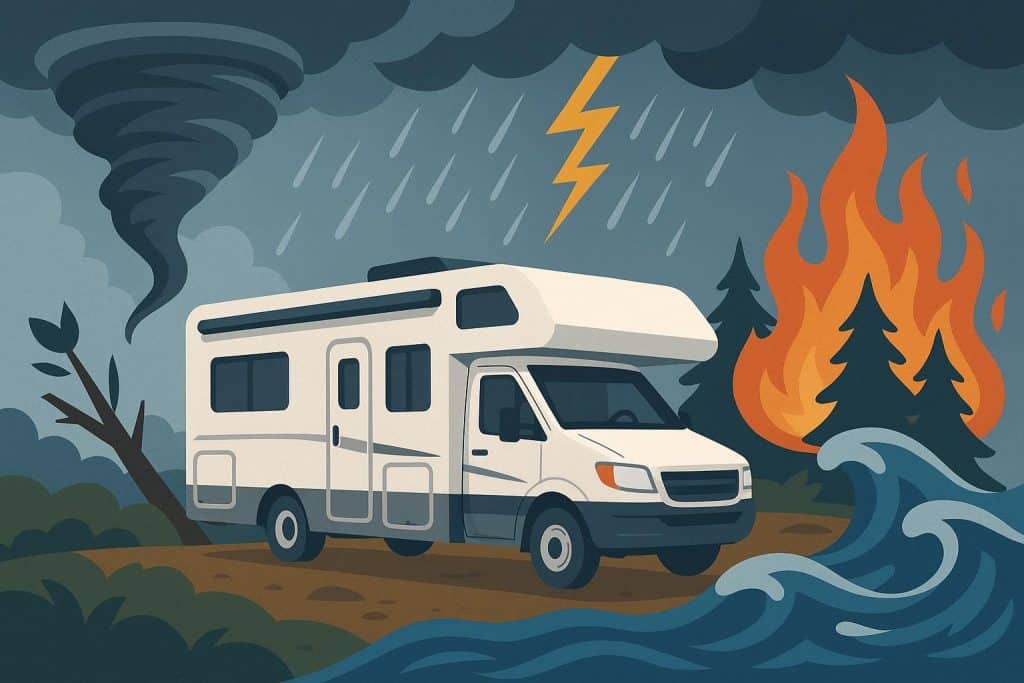
Recreational vehicles are more than just a mode of travel. For many families, they represent freedom, adventure, and a chance to explore the outdoors with comfort. Yet, owning an RV also comes with responsibilities, particularly when it comes to protecting it from unexpected events. Weather patterns are becoming increasingly unpredictable, and natural disasters can strike with little warning. From heavy storms to bushfires, these events pose real risks to RV owners who rely on their vehicles for both leisure and lifestyle.
Why Insurance Coverage Matters
RV insurance is not just about meeting legal requirements. It is about safeguarding your investment against the kinds of damage that can occur when nature takes a turn. Floods can ruin interiors, hail can dent roofs and panels, and strong winds can topple trees onto parked vehicles. Without proper coverage, the costs of repair or replacement can be overwhelming. Insurance provides a safety net, ensuring that owners can recover more quickly and continue enjoying their travels without being burdened by financial setbacks.
Choosing the Right Provider
This is where KT Insurance Australia comes into the picture. Known for tailoring policies to the unique needs of RV owners, KT Insurance Australia understands the specific risks that come with mobile living. Their coverage options often account for weather-related damage, giving owners peace of mind when planning trips across regions prone to storms or fires. By working with a provider that specializes in RV insurance, you ensure that your policy is not just generic but designed to address the realities of owning and traveling in a recreational vehicle.
The Impact of Severe Weather
Australia’s climate can be harsh, and RVs are particularly vulnerable to its extremes. Heavy rain can lead to flooding, damaging electrical systems and interiors. Hailstorms can leave vehicles covered in dents, while prolonged exposure to heat can weaken materials and cause wear over time. Bushfires present another serious risk, especially for those who enjoy camping in rural areas. Insurance that covers these scenarios is essential, as repairs can be costly and sometimes require specialized parts or labor.
Preparing for Natural Disasters
Preparation goes hand in hand with insurance. RV owners should take proactive steps to minimize risks. This includes parking vehicles in sheltered areas during storms, maintaining seals and roofs to prevent leaks, and keeping fire safety equipment on board. Having an emergency plan for evacuation is also critical when traveling in regions prone to bushfires or floods. While these measures reduce the likelihood of damage, insurance ensures that you are covered if the unexpected does occur.
Financial and Emotional Security
The financial impact of weather events can be significant, but the emotional toll should not be overlooked. An RV often holds sentimental value, representing years of adventures and memories. Losing or damaging it can feel devastating. Insurance helps ease that burden by providing a pathway to recovery. Knowing that you are protected allows you to focus on rebuilding and moving forward rather than worrying about how to cover expenses.
What Owners Should Keep in Mind
RV owners should regularly review their policies to ensure they are adequately covered for weather-related risks. It is important to understand the details of your insurance, including exclusions and claim processes. Working with a provider that communicates clearly and offers support during stressful times makes a big difference. By staying informed and prepared, you can enjoy the freedom of RV travel while knowing that you are protected against nature’s unpredictability.
A Smarter Way to Travel
RV ownership is about embracing adventure, but it should also be about making smart choices. Weather events and natural disasters are realities that cannot be ignored. With the right insurance and preparation, owners can continue exploring with confidence. Protecting your RV is not just about safeguarding a vehicle, it is about preserving a lifestyle built on freedom, discovery, and connection to the outdoors.