

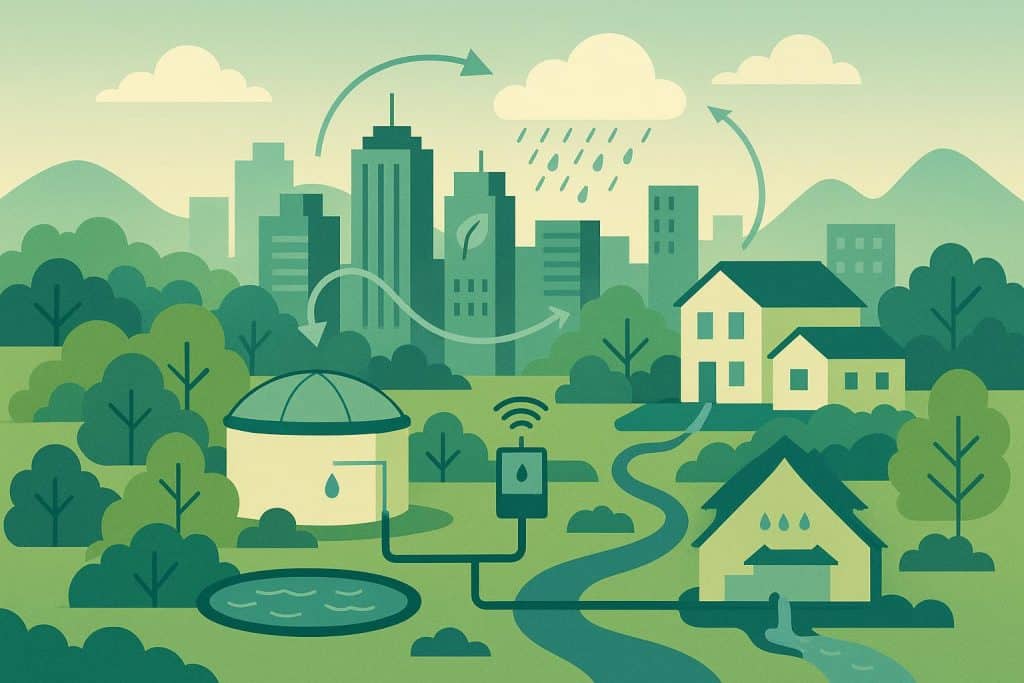
Cities across the world are facing increasing challenges from climate change. Rising temperatures, unpredictable rainfall, and more frequent extreme weather events are putting pressure on urban systems. Water infrastructure, in particular, is at the center of this challenge. Floods, droughts, and contamination risks highlight the need for smarter solutions that can adapt to changing conditions. Building resilience is no longer optional, it is essential for the safety and sustainability of urban communities.
Technology and Smarter Systems
This is where organizations like Civica are helping to reshape the way cities manage water. Smart water infrastructure uses data, sensors, and advanced monitoring systems to track water usage, detect leaks, and predict potential risks. By integrating technology into existing networks, cities can respond faster to emergencies and plan more effectively for the future. These systems are not just about efficiency, they are about creating a safety net that protects communities from the unpredictable impacts of climate change.
Detecting Problems Before They Escalate
One of the most powerful aspects of smart water infrastructure is its ability to detect issues early. Sensors placed throughout pipelines and reservoirs can identify leaks or contamination before they become widespread problems. This proactive approach saves money, reduces waste, and prevents damage to property and ecosystems. For city residents, it means fewer disruptions and greater confidence that their water supply is secure. Early detection is a cornerstone of resilience, allowing cities to stay one step ahead of potential disasters.
Managing Flood Risks
Flooding is one of the most common and destructive climate-related events in urban areas. Smart water systems can help manage flood risks by monitoring rainfall patterns and water levels in real time. Data-driven models allow city planners to predict where flooding is most likely to occur and take preventive measures. Infrastructure such as smart drainage systems and adaptive flood barriers can be activated when needed, reducing the impact on homes and businesses. This kind of responsive planning ensures that cities are better equipped to handle sudden surges of water.
Supporting Sustainable Water Use
Climate resilience is not only about managing disasters, it is also about ensuring long-term sustainability. Smart water infrastructure helps cities track consumption patterns and encourage more responsible use of resources. By identifying areas of high demand or waste, municipalities can design policies that promote conservation. Residents benefit from clearer information about their water usage, which empowers them to make more sustainable choices. Over time, this collective effort reduces strain on water supplies and builds resilience against droughts.
Integrating with Broader Urban Systems
Smart water infrastructure does not operate in isolation. It connects with other urban systems such as energy, transportation, and waste management. For example, water data can inform energy usage in treatment plants, or guide urban planning decisions about where to build new housing. This integration creates a holistic approach to resilience, where every part of the city works together to adapt to climate challenges. The result is a more efficient, sustainable, and responsive urban environment.
Building Trust Through Transparency
Residents are more likely to support resilience initiatives when they understand how they work. Smart water systems provide transparency by offering accessible data about water quality, usage, and risks. This builds trust between communities and local governments. When people see that their city is actively monitoring and protecting resources, they feel more secure. Transparency also encourages collaboration, as residents become partners in resilience rather than passive recipients of services.
A Path Toward Resilient Cities
Smart water infrastructure represents a critical step toward climate resilience in cities. By combining technology, proactive management, and community engagement, urban areas can better withstand the pressures of climate change. These systems ensure that water, one of the most vital resources, remains reliable and safe even in uncertain times. As cities continue to grow and face new challenges, investing in smart water infrastructure will be key to creating environments that are sustainable, adaptable, and resilient for generations to come.