
Close Menu
    Facebook X (Twitter) Instagram
    • Contact Us
    • About Us
    • Write For Us
    • Guest Post
    • Privacy Policy
    • Terms of Service
    Metapress
    • News
    • Technology
    • Business
    • Entertainment
    • Science / Health
    • Travel
    Metapress

    The Rise of Remote Work: Why Quality Office Furniture Matters More Than Ever

    Lakisha DavisBy Lakisha DavisDecember 12, 2025
    Facebook Twitter Pinterest LinkedIn Tumblr Email
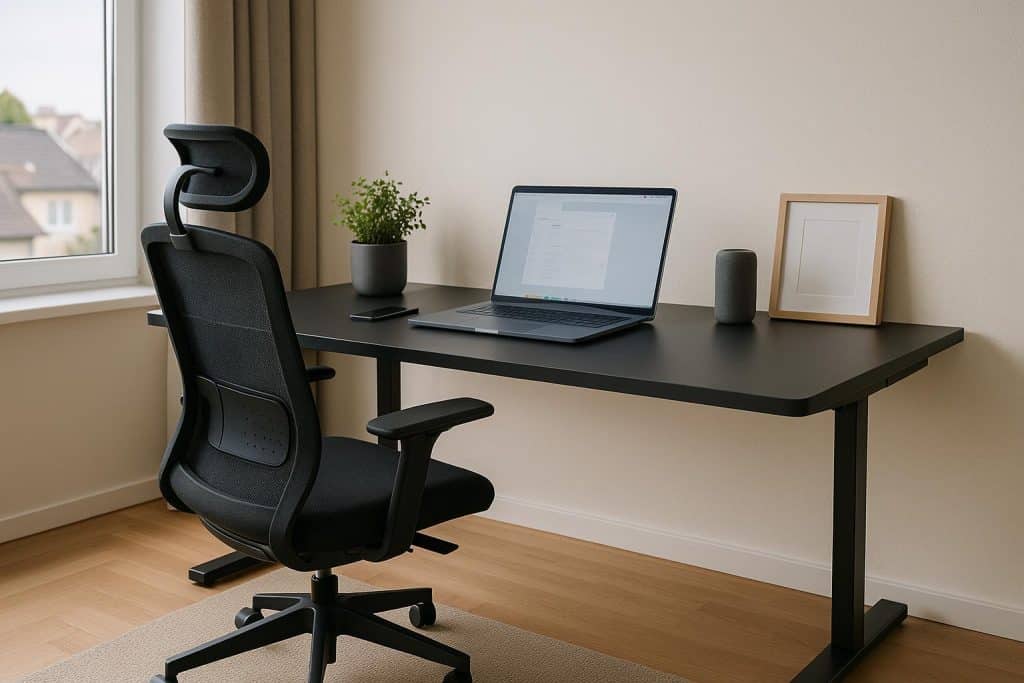
    Modern ergonomic office chair and desk setup highlighting quality furniture for remote workspaces
    Share
    Facebook Twitter LinkedIn Pinterest Email

    The shift to remote and hybrid work models has been one of the most significant workplace transformations in recent history. What began as a temporary response to global disruption has evolved into a permanent fixture of modern professional life. As Australians increasingly work from home offices, spare bedrooms, and converted dining rooms, the quality of workspace furniture has become far more than an aesthetic consideration. It’s now a critical factor influencing productivity, physical health, and long-term career sustainability. For remote workers, freelancers, and employers supporting distributed teams, understanding why quality office furniture matters has never been more relevant.

    How Remote Work Has Redefined the Modern Workspace

    The Australian workplace landscape has undergone a dramatic evolution. Hybrid work arrangements are now the norm rather than the exception, with employees splitting time between traditional offices and home workspaces. This shift has fundamentally changed what constitutes an effective work environment.

    Unlike the temporary setups many created in 2020 as makeshift desks fashioned from kitchen tables and dining chairs pressed into service, today’s home offices require professional-grade solutions. Remote work is no longer a short-term arrangement but a sustained reality that demands thoughtful workspace design. The home office has become a permanent fixture, and with it comes the need for furniture that can withstand daily use while supporting proper ergonomics and focused productivity. Access to quality online office furniture has made it easier than ever for remote workers to equip their spaces with professional-grade pieces that were once exclusively available through commercial suppliers.

    The needs of remote workers differ significantly from pre-pandemic office environments. At home, there’s no facilities manager to ensure chairs are adjusted correctly, no ergonomics consultant to assess desk height, and no backup workspace to retreat to when discomfort strikes. The responsibility for creating a functional, healthy work environment now rests squarely with individual workers and the employers who support them.

    Why Quality Office Furniture Matters More Than Ever

    Ergonomics and Health

    The physical toll of inadequate office furniture becomes painfully apparent when experienced day after day, week after week. Poor posture, neck strain, lower back pain, and repetitive strain injuries aren’t just uncomfortable—they’re productivity killers that can lead to chronic health issues.

    Quality ergonomic furniture addresses these concerns at their source. A properly designed office chair supports the natural curve of the spine, reducing pressure on the lower back and promoting healthy posture throughout the workday. Sit-stand desks enable workers to alternate positions, combating the health risks associated with prolonged sitting. Monitor risers and adjustable arms help position screens at eye level, preventing the neck strain that comes from looking down at laptops for hours.

    These aren’t luxury considerations—they’re essential tools for maintaining physical wellbeing in a remote work environment where the line between home and office has blurred.

    Productivity and Focus

    The connection between workspace quality and work output is well established. When furniture supports the body properly, mental energy can focus on tasks rather than shifting positions to find comfort or managing physical discomfort. A well-organised workspace with appropriate storage, adequate desk surface, and proper lighting creates an environment conducive to concentration and efficiency.

    Quality office furniture provides structure to the workday. When your home workspace looks and feels professional, it signals to your brain that it’s time to focus. This psychological boundary becomes particularly important when the commute consists of walking from the bedroom to the study.

    Comfort and Long-Term Wellbeing

    What was once viewed as a temporary work arrangement has become a long-term reality for millions of Australians. This permanence demands furniture solutions that can support sustained use over years, not months. Cheap, flimsy furniture that might suffice for occasional use quickly reveals its limitations when subjected to full-time work demands.

    Investing in quality means choosing furniture built to last, with materials and construction that can withstand daily use without degrading. It means selecting pieces with adjustment mechanisms that remain functional after thousands of uses. For remote workers planning to continue working from home indefinitely, the initial investment in quality furniture pays dividends in sustained comfort and avoided replacement costs.

    Key Office Furniture Pieces Remote Workers Should Invest In

    Building an effective home office doesn’t require outfitting an entire corporate suite, but certain pieces prove essential for most remote workers.

    1. Ergonomic Office Chair

    The single most important investment for any remote worker. An ergonomic chair supports proper posture and reduces the risk of chronic pain that can develop from hours of sitting. Look for adjustable seat height, lumbar support, armrests, and breathable materials. Given that many remote workers spend 40-plus hours weekly in their chair, this isn’t the place to cut corners. Key features to seek include adjustable armrests, seat depth adjustment, tilt mechanisms, and quality cushioning that maintains support over time.

    2. Sit-Stand Desk

    A proper desk provides adequate workspace for computers, documents, and task-specific equipment. Sit-stand desks offer the flexibility to change positions throughout the day, combating the health risks associated with prolonged sitting. These desks allow workers to alternate between sitting and standing, promoting better circulation and reducing fatigue. Even a fixed-height desk at the correct height can work well when paired with a quality chair, though the flexibility of height adjustment proves valuable for most users.

    3. Monitor Arm or Riser

    Positioning screens at proper eye level prevents neck strain and promotes better posture. A monitor arm offers maximum flexibility, allowing precise adjustment of screen height, distance, and angle. Monitor risers provide a more affordable fixed-height solution. Either option beats craning your neck to look down at a laptop screen for eight hours daily.

    4. Storage Solutions

    Organised workspaces function better than cluttered ones. Filing cabinets, shelving units, desk organisers, and drawer systems keep paperwork, supplies, and equipment tidy and accessible. Storage solutions prevent the visual stress that comes from cluttered surfaces and make it easier to maintain the professional mindset necessary for productive work. Consider your specific storage needs—do you handle physical documents regularly, or is most of your work digital?

    5. Task Lighting

    Proper lighting shouldn’t be overlooked. Task lighting reduces eye strain and creates a more pleasant work environment, particularly during evening hours or in spaces with limited natural light. A quality desk lamp with adjustable brightness and positioning helps prevent the headaches and fatigue associated with poor lighting conditions. Consider LED options for energy efficiency and reduced heat output.

    6. Keyboard Tray or Ergonomic Accessories

    For those spending significant time typing, a keyboard tray can position input devices at the optimal height and angle, reducing wrist strain. Ergonomic keyboards, mice, and wrist rests further support proper hand and arm positioning. These accessories might seem minor, but they play a crucial role in preventing repetitive strain injuries.

    7. Footrest

    Often overlooked but valuable for proper ergonomics, particularly for shorter individuals or those with desks at fixed heights. A footrest ensures feet rest flat rather than dangling, promoting better circulation and reducing pressure on the lower back. Adjustable footrests accommodate different leg lengths and preferred positions throughout the day.

    The Convenience of Buying Office Furniture Online

    The digital marketplace has transformed how Australians furnish their home offices, offering advantages that traditional furniture shopping struggles to match. Online shopping provides access to comprehensive product specifications, detailed dimensions, and customer reviews, information that helps buyers make informed decisions without sales pressure.

    The ability to compare multiple options simultaneously makes it easier to evaluate features, materials, and prices across different products and retailers. This is particularly valuable when assessing ergonomic features, where small differences in adjustability or support can significantly impact daily comfort.

    Professional-grade office furniture that once required visiting specialised commercial suppliers is now accessible to individual remote workers. The convenience of being able to buy office furniture online means workers can equip home offices with the same quality furniture found in corporate environments, delivered directly to their door.

    Online purchasing also accommodates the research process that quality furniture decisions deserve. Rather than making rushed decisions during a showroom visit, buyers can take time to read reviews, check measurements against their space, and ensure products meet their specific ergonomic and aesthetic requirements.

    Tips for Choosing the Right Office Furniture for Remote Work

    Making informed furniture choices requires considering several factors beyond immediate price and appearance.

    Consider task requirements. A graphic designer needs different desk space than a customer service representative. Think about your specific work activities and choose furniture that accommodates them.

    Prioritise adjustability. Bodies vary, and work needs change throughout the day. Furniture with multiple adjustment points can be fine-tuned to individual needs and modified as circumstances evolve.

    Evaluate materials and durability. Read product descriptions carefully, paying attention to weight capacities, materials used, and construction methods. Quality furniture uses robust materials and solid construction techniques that ensure longevity.

    Match aesthetics to home décor. Home offices exist within residential spaces, and furniture that clashes with home aesthetics can feel jarring. Choose pieces that complement your home’s style while meeting functional requirements.

    Measure your workspace before ordering. Nothing disrupts a furniture purchase quite like discovering a desk won’t fit through the door or a chair can’t swivel properly in the allocated space. Measure carefully and account for clearance needs.

    Read reviews and check measurements. Customer reviews provide real-world insight into product quality, comfort, and durability. Pay particular attention to reviews from people using furniture in similar contexts.

    Future Trends: What’s Next for Remote Work & Office Furniture?

    The evolution of remote work continues, and office furniture is adapting accordingly. Smart desks with integrated technology, programmable height presets, and connectivity features are becoming more accessible and affordable. These pieces blend seamlessly with the tech-heavy nature of modern remote work.

    Modular furniture systems that adapt to changing needs represent another growing trend. As work-from-home arrangements mature, professionals recognise that workspace needs evolve, and furniture that can be reconfigured or expanded offers long-term value.

    Sustainability has moved from niche concern to mainstream priority. Eco-friendly materials, sustainable manufacturing processes, and furniture designed for longevity rather than disposability increasingly influence purchasing decisions.

    Multi-functional furniture addresses the reality that many home offices serve multiple purposes. Desks that convert to dining tables, storage units that double as room dividers, and chairs suitable for both work and leisure reflect the blended nature of home workspaces.

    The rise of professional home studio setups for video conferencing, content creation, and remote collaboration continues to drive furniture innovation. Pieces designed specifically for video presentation, with cable management, integrated lighting considerations, and background-friendly aesthetics, represent the next frontier in home office furniture.

    Conclusion

    Remote work has permanently altered expectations around home offices. What once seemed like a temporary accommodation has become a defining feature of modern professional life, and the furniture that supports this work carries greater importance than ever before. Quality office furniture isn’t an indulgence—it’s an investment in health, productivity, and long-term career sustainability.

    As the boundaries between home and office continue to blur, the spaces where we work deserve the same thoughtful consideration once reserved for corporate environments. Whether you’re a remote worker crafting your ideal workspace, a freelancer building a professional home office, or an employer supporting distributed teams, the message remains clear: quality furniture matters. The future of work is flexible, distributed, and increasingly home-based. The furniture that supports this future should be chosen with care, built to last, and designed to help us do our best work, wherever that work happens to take place.

    Share. Facebook Twitter Pinterest LinkedIn Tumblr Email
    Lakisha Davis

      Lakisha Davis is a tech enthusiast with a passion for innovation and digital transformation. With her extensive knowledge in software development and a keen interest in emerging tech trends, Lakisha strives to make technology accessible and understandable to everyone.

      Follow Metapress on Google News
      What Does LMR Mean On Snapchat: Your Social Engagement
      December 12, 2025
      Why 2026’s “Lower-for-Longer” Rate Environment Is Elevating Short-Tenure Corporate Bonds in Barbell Portfolios
      December 12, 2025
      Saba Gura: Captivates 200k Live Viewers Again
      December 12, 2025
      Hiring an Accident Lawyer: What You Need to Know
      December 12, 2025
      Accident Lawyers: How They Can Help After a Crash
      December 12, 2025
      What is the Role of Accident Lawyers: A Guide for Injured Victims
      December 12, 2025
      Alternate Dandelion Appearance: The Witcher 3 Essentials
      December 12, 2025
      Unlock The Secret to Skyrocketing Your Spotify Plays and Get Noticed
      December 12, 2025
      How USA Creators Can Increase Facebook Likes Fast (Without Ads)
      December 12, 2025
      Healthy Holiday Recipes with a Smart Air Fryer
      December 12, 2025
      How To Prevent Your La Quinta Home From Being Infested By Bees
      December 12, 2025
      Top 5 Biggest Differences Between Laser Hair Removal and Waxing
      December 12, 2025
      Metapress
      • Contact Us
      • About Us
      • Write For Us
      • Guest Post
      • Privacy Policy
      • Terms of Service
      © 2025 Metapress.

      Type above and press Enter to search. Press Esc to cancel.