

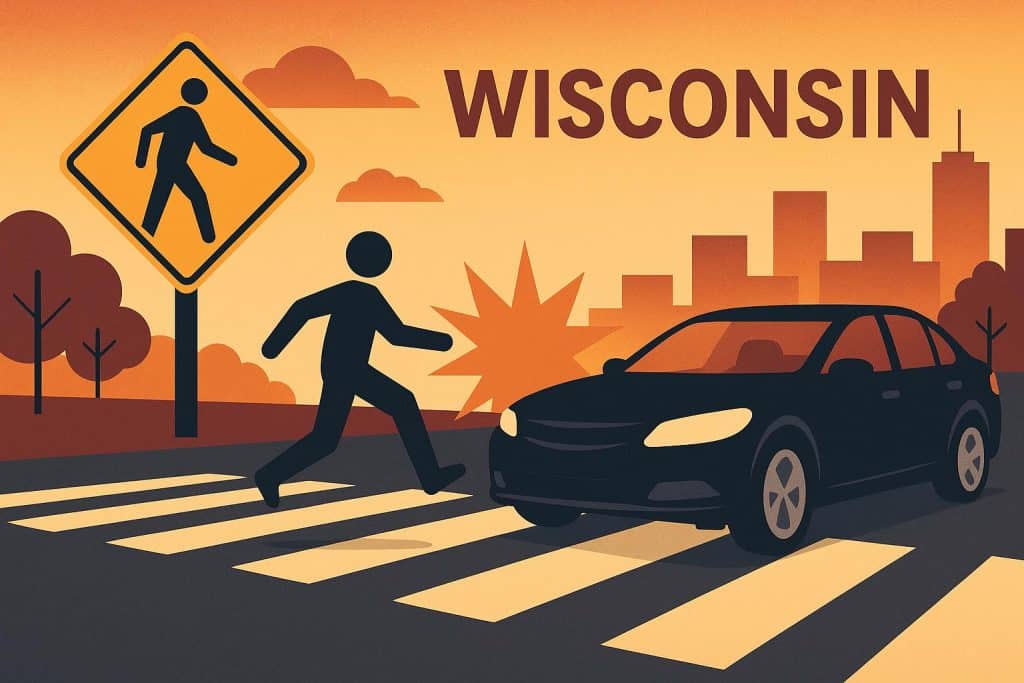
Walking should be one of the safest ways to get around, whether crossing a downtown street, heading through a neighborhood, or navigating a parking lot. Unfortunately, pedestrian accidents remain a serious concern across Wisconsin. When a person on foot is struck by a vehicle, the consequences can be life-altering, affecting health, finances, and daily stability. Understanding your rights and options after such an incident is an important first step toward recovery.
For many injured pedestrians, questions arise quickly: Who is responsible? How will medical bills be paid? What steps should be taken next? Speaking with a Wisconsin Pedestrian Accident Attorney can help clarify these issues and provide guidance tailored to state-specific laws and procedures.
Why Pedestrian Accidents Are Often Severe
Unlike drivers and passengers, pedestrians have no physical protection during a collision. Even low-speed impacts can cause serious harm. Vehicles weigh thousands of pounds, and the force transferred to a person on foot can lead to injuries that require extensive medical care.
Common Injuries Seen in Pedestrian Collisions
Pedestrian injuries often involve more than just immediate pain. They may include:
- Traumatic brain injuries and concussions
- Broken bones in the legs, arms, hips, or ribs
- Spinal cord damage and back injuries
- Internal organ injuries
- Deep cuts, bruising, and long-term mobility issues
These injuries can disrupt employment, family life, and independence. Recovery may take months or longer, especially when surgery or rehabilitation is required.
How Pedestrian Accidents Happen
While every incident is unique, certain patterns appear frequently in Wisconsin pedestrian cases. Understanding these causes can help clarify liability and responsibility.
Driver-Related Factors
Many pedestrian accidents involve driver error, such as:
- Failing to yield at crosswalks or intersections
- Distracted driving, including phone use
- Speeding in residential or high-foot-traffic areas
- Driving under the influence of alcohol or drugs
- Ignoring traffic signals or signage
Environmental and Road Conditions
Some collisions are influenced by factors beyond driver behavior, including:
- Poor lighting or visibility
- Weather conditions like snow, rain, or ice
- Inadequate signage or faded crosswalk markings
- Construction zones without clear pedestrian guidance
Determining how these factors contributed to the accident is often critical when pursuing a claim.
Legal Rights of Injured Pedestrians in Wisconsin
Wisconsin law generally protects pedestrians, especially when they are using marked crosswalks or following traffic signals. However, determining fault is not always straightforward. Wisconsin follows a comparative negligence system, meaning responsibility may be shared among parties based on the circumstances.
What Compensation May Cover
An injured pedestrian may be entitled to compensation for:
- Medical expenses, both current and future
- Lost income and reduced earning capacity
- Pain and suffering
- Rehabilitation and long-term care needs
Insurance companies often examine these claims closely, and initial settlement offers may not reflect the full impact of the injury.
Why Legal Guidance Matters After a Pedestrian Accident
Navigating insurance policies, medical documentation, and legal deadlines can be overwhelming, particularly while recovering from serious injuries. Legal guidance helps ensure that important details are not overlooked and that communication with insurers is handled carefully.
Protecting Your Interests Early
Early involvement can help with:
- Gathering evidence such as accident reports and witness statements
- Preserving medical records that support the claim
- Understanding deadlines under Wisconsin law
- Avoiding statements that could be misunderstood or used against you
This support can make a meaningful difference in how a claim progresses.
Steps to Take After a Pedestrian Accident
If you or a loved one has been involved in a pedestrian collision, consider these general steps:
- Seek medical attention immediately, even if injuries seem minor
- Report the incident to local authorities
- Document the scene if possible, including photos and contact information
- Keep records of medical visits and expenses
- Seek informed guidance before discussing the incident with insurers
These actions help protect both health and legal interests.
Moving Forward After a Serious Injury
A pedestrian accident can change daily life in an instant. Physical recovery is often only part of the journey, as emotional and financial stress may follow. Taking the time to understand your rights and options can provide a sense of direction during an uncertain period.
If you are facing questions after a pedestrian accident in Wisconsin, reliable legal information and thoughtful guidance can help you make informed decisions. Support does not have to be aggressive or rushed—it should be focused on clarity, fairness, and helping you move forward at your own pace.