

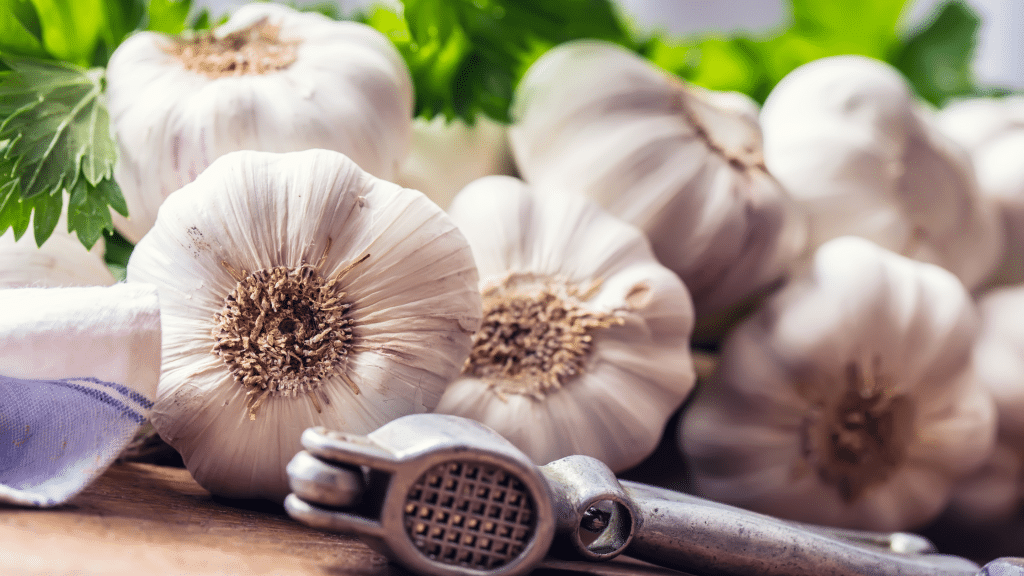
Garlic is a kitchen essential used in countless dishes around the world. Among the many varieties available, Purple Garlic stands out for its rich flavor, beautiful skin, and culinary versatility. Choosing fresh garlic at the market may seem simple, but knowing what to look for can make a big difference in taste, freshness, and storage life. This guide will help you confidently select high-quality garlic, especially if you are looking for purple varieties, so you can enjoy the best flavor and health benefits at home.
Understanding What Purple Garlic Is
Purple garlic is a variety known for its distinctive purple streaks on the outer skin and sometimes on the cloves themselves. It is often prized for its strong aroma and balanced flavor, which can be both bold and slightly sweet. Compared to standard white garlic, purple garlic is often fresher when found in local or seasonal markets because it is commonly grown in smaller quantities.
Knowing what makes purple garlic unique helps you recognize it easily and choose the best bulbs when shopping.
Why Freshness Matters When Buying Garlic
Fresh garlic not only tastes better but also lasts longer and offers more nutritional value. Garlic that is past its prime can lose flavor, develop bitterness, or even grow mold. Fresh bulbs provide a stronger aroma, better texture, and more reliable cooking results.
When selecting garlic, freshness should always be your top priority, especially if you plan to store it for several weeks.
Check the Outer Skin Carefully
The first thing to examine is the garlic’s outer skin. Fresh garlic should have tight, dry, and papery skin. For purple garlic, the skin should show clear purple streaks without fading or discoloration.
Avoid bulbs with skin that looks damp, peeling excessively, or turning yellow or brown. Loose or broken skin can indicate aging or poor storage conditions.
Feel the Firmness of the Bulb
Firmness is one of the most reliable signs of freshness. Gently squeeze the garlic bulb. It should feel solid and compact, with no soft spots.
If the bulb feels spongy or hollow, it may be old or starting to spoil. Fresh garlic cloves are tightly packed together, which keeps moisture out and flavor in.
Inspect for Sprouting or Green Shoots
One common mistake shoppers make is ignoring sprouts. Garlic that has green shoots growing from the top is no longer at its best. While sprouted garlic is still safe to eat, it often has a bitter taste.
Choose bulbs with no visible sprouts or green tips. This indicates that the garlic is fresh and has been stored properly.
Smell the Garlic Before Buying
Garlic should have a clean, strong aroma. If you notice a sour, musty, or moldy smell, the garlic is likely spoiled.
Fresh garlic smells sharp and natural, not overpowering or unpleasant. Trust your sense of smell—it is a powerful tool when choosing quality produce.
Look at the Clove Size and Shape
Larger cloves are usually easier to peel and prepare. While clove size can vary by variety, good-quality garlic often has evenly sized cloves that are well-formed.
Bulbs with very small or shriveled cloves may indicate poor growing conditions or age. A balanced, full bulb is usually a good sign of quality.
Ask About the Source of the Garlic
If you are shopping at a farmer’s market or specialty grocery store, don’t hesitate to ask where the garlic comes from. Locally grown garlic is often fresher than imported options because it spends less time in storage and transit.
Some sellers may even provide tips on storage and cooking. Online resources such as garlics.com can also help you learn more about garlic varieties and seasonal availability.
Choose Garlic Stored in the Right Conditions
Pay attention to how garlic is displayed at the market. It should be kept in a dry, cool area with good air circulation. Garlic stored in plastic bags or damp environments is more likely to spoil quickly.
Proper storage at the market usually reflects good handling practices, which often means better quality garlic.
Buy Only What You Need
While it can be tempting to buy garlic in bulk, it’s better to purchase only what you can use within a reasonable time. Fresh garlic can last several weeks if stored properly at home, but buying too much increases the risk of waste.
If you cook frequently, you can buy a bit more. Otherwise, smaller quantities ensure you always have fresh garlic on hand.
How to Store Garlic After Purchase
Once you bring your garlic home, store it in a cool, dry place away from direct sunlight. Avoid refrigeration, as moisture can cause garlic to sprout or mold.
A mesh bag or open basket works well for storage. Shelf life is increased and flavor is preserved with proper storage.
Common Mistakes to Avoid When Buying Garlic
Many shoppers choose garlic based only on size or price. While these factors matter, quality and freshness should come first. Avoid bulbs with cracks, mold, or strong unpleasant odors.
Also, don’t assume all garlic is the same. Different varieties offer different flavors, and choosing the right one can elevate your cooking.
Conclusion
Choosing fresh garlic at the market doesn’t require expert knowledge—just careful observation and a bit of awareness. By checking the skin, firmness, smell, and storage conditions, you can confidently select high-quality garlic that delivers great flavor and lasting freshness.