

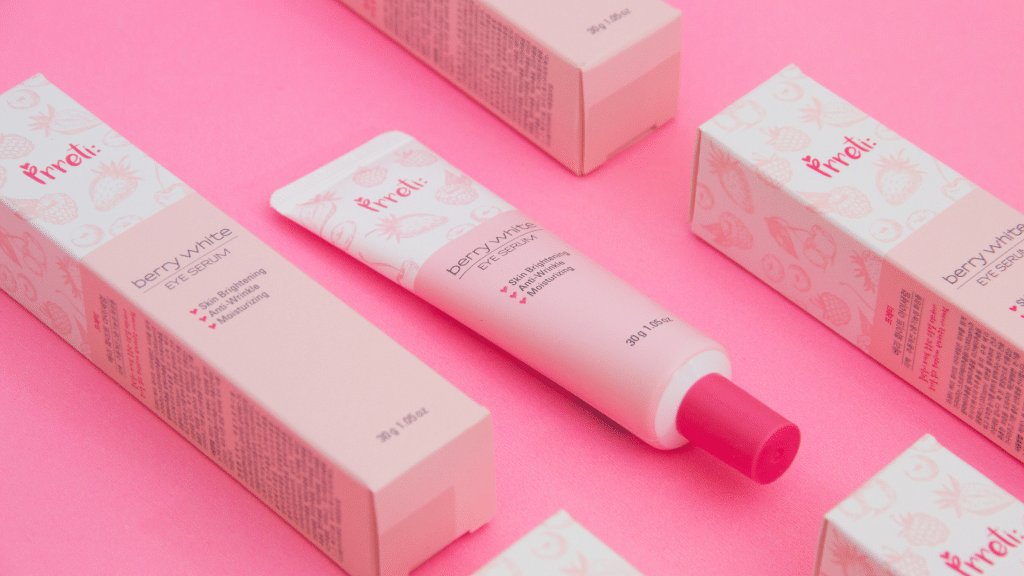
Private label products give brands a powerful way to enter the market quickly while maintaining control over their identity. However, success in private labeling does not depend only on product quality and pricing. Clear, accurate, and compliant labeling is just as important. Labeling requirements protect consumers, ensure legal compliance, and help brands build trust. This article explains the key labeling rules private label businesses must follow and why they matter at every stage of product development.
Understanding What Private Label Labeling Means
Labeling for private label products refers to all the information displayed on a product’s packaging. This includes the brand name, product description, ingredients, instructions, and safety details. Even though another company manufactures the product, the brand selling it is responsible for what appears on the label.
Working with experienced private label suppliers can simplify this process, but the final responsibility always rests with the brand owner. Understanding this role is the first step toward avoiding costly mistakes.
Why Labeling Compliance Is So Important
Labeling rules exist to protect consumers and create fair markets. Accurate labels help buyers understand what they are purchasing and how to use it safely. Incorrect or missing information can lead to legal penalties, product recalls, and damage to brand reputation.
For private label brands, proper labeling also supports long-term growth. Clear labels reduce customer complaints and improve confidence, which leads to stronger repeat sales and brand loyalty.
Brand Identity and Product Name Requirements
Every private label product must clearly display the brand name and product name. The brand name should match registered business records and trademarks, if applicable. The product name must be honest and not misleading.
Using vague or exaggerated claims can lead to regulatory issues. Labels should reflect what the product actually does and what it contains, helping customers make informed decisions.
Ingredient Lists and Material Disclosure
Most consumer products require a detailed ingredient or material list. This is particularly crucial for personal care products, food, cosmetics, and supplements. Ingredients are usually listed in order of quantity, from highest to lowest.
Clear disclosure protects customers with allergies or sensitivities and ensures transparency. It also helps meet national and international labeling standards, which is essential for brands selling in multiple markets.
Usage Instructions and Safety Information
Labels must include clear instructions for proper use. This is important for products that require specific handling, storage, or application. Safety warnings should be easy to understand and visible on the packaging.
Providing proper instructions reduces misuse and liability risks. It also shows that the brand values customer safety and product reliability.
Manufacturer and Business Information
Private label products must include business identification details. This usually includes the brand owner’s company name, address, or contact information. In some regions, the manufacturer’s country of origin must also be listed.
Even though production may be outsourced, the selling brand is legally accountable. Clear business details make it easier for customers and regulators to identify the responsible party.
Regulatory and Industry-Specific Requirements
Labeling rules vary by product type and market. Food, cosmetics, electronics, and medical products all follow different regulations. Brands must research the specific rules that apply to their category and target market.
This is where strong communication with suppliers becomes essential. Reliable suppliers often understand industry standards and can help guide brands through complex regulatory requirements.
Language, Units, and Formatting Standards
Labels must be written in the correct language for the target market. In many regions, product information must be displayed in the local language or multiple approved languages.
Measurement units, font size, and label placement may also be regulated. Following these standards ensures readability and compliance while improving the overall customer experience.
Sustainability and Environmental Labeling
Consumers increasingly care about sustainability. If a product claims to be eco-friendly, recyclable, or biodegradable, these claims must be accurate and supported by evidence.
Misleading environmental claims can result in legal action and loss of trust. Honest labeling supports ethical branding and aligns with responsible business practices.
Labeling as Part of Supply Chain Efficiency
Labeling is not an isolated task. It is closely connected to production, packaging, and logistics. Errors in labeling can delay shipments, cause customs issues, or lead to product rework.
Integrating labeling into supply chain optimization helps brands reduce delays and costs. When labeling requirements are planned early, production flows more smoothly, and products reach the market faster.
Common Labeling Mistakes to Avoid
Many private label brands make the mistake of copying labels from competitors or assuming suppliers will handle everything. This can lead to missing information or non-compliance.
Other common issues include unclear claims, outdated regulations, and poor translations. Regular label reviews and updates help prevent these problems and protect the brand.
Quality Control and Label Review Process
Before launching a product, labels should go through a formal review process. This may include legal checks, supplier verification, and internal approval.
Quality control ensures that every label meets regulatory standards and brand guidelines. It also helps catch errors before products reach customers.
Final Thoughts on Labeling Requirements
Labeling is a critical part of private label success. It affects legal compliance, customer trust, and operational efficiency. Clear and accurate labels show professionalism and care, helping brands stand out in competitive markets.