


In an age dominated by digital interactions, physical spaces might seem less important than ever. In reality, the opposite is happening. As people spend more time online, their expectations for real-world environments have risen sharply. Whether it’s a storefront, office, café, clinic, or event venue, the moment someone encounters a physical space, they begin forming judgments almost instantly. That’s why many businesses now pay closer attention to surface-level details, from lighting and layout to visual cues like custom window decals online, which subtly communicate professionalism, clarity, and intent before a single word is spoken.
First impressions have always mattered, but today they carry more weight because attention spans are shorter and choices are abundant.
The Psychology Behind Instant Judgments
Human brains are wired to assess environments quickly. Within seconds of entering or approaching a space, people form opinions about trustworthiness, quality, and relevance. These judgments are largely unconscious and difficult to reverse once formed.
Physical cues such as cleanliness, visual organization, and design consistency play a major role in this process. A space that feels intentional and well-maintained signals competence and care, while a cluttered or outdated environment can create doubt before any interaction occurs. In competitive markets, these split-second impressions often determine whether someone walks in, stays longer, or turns away.
Physical Spaces Compete With Digital Expectations
Digital platforms have trained people to expect clarity, speed, and visual coherence. When users land on a website, they expect to understand what it offers immediately. That same expectation now applies to physical spaces.
A storefront or office acts much like a homepage. People want to quickly grasp what the space is about, who it’s for, and whether it meets their needs. When physical environments fail to provide this clarity, they feel confusing or uninviting, especially compared to the polished digital experiences people encounter daily.
This shift has raised the bar for physical design, making first impressions more critical than ever.
Visual Signals Communicate Before Staff Do
Before a customer speaks to an employee or reads detailed information, visual signals do most of the communication. Colors, typography, spacing, and signage all work together to set expectations.
Clear visual messaging helps people feel oriented and comfortable. It answers basic questions immediately: Is this place professional? Is it welcoming? Is it relevant to me? When those answers are unclear, hesitation follows. Even strong service can struggle to overcome a weak initial perception.
Well-considered visual elements reduce friction by making spaces feel approachable and easy to understand from the outset.
Trust Is Built (or Lost) at the Door
Trust begins forming long before a transaction takes place. A physical space that appears neglected, inconsistent, or outdated can raise concerns about quality, safety, or reliability, even if those concerns aren’t justified.
Conversely, environments that feel cohesive and intentional signal credibility. People are more likely to trust businesses that appear to invest in their spaces because it suggests attention to detail and respect for the customer experience.
Research discussed by Harvard Business Review highlights that environmental cues significantly influence trust and decision-making, especially in service-oriented settings where customers assess quality before engaging. This reinforces why first impressions in physical spaces directly affect outcomes.
First Impressions Influence Time Spent and Engagement
How a space feels initially has a measurable impact on behavior. Welcoming, visually clear environments encourage people to linger, explore, and engage. Confusing or visually noisy spaces push people to move quickly or disengage altogether.
Time spent in a space often correlates with perceived value. The longer people feel comfortable staying, the more likely they are to ask questions, notice details, and ultimately convert into customers or clients. First impressions set the tone for this entire experience.
When a space feels intuitive from the start, engagement follows more naturally.
Consistency Strengthens Brand Recognition
Physical spaces are an extension of brand identity. When the look and feel of a space align with a brand’s values and messaging, recognition and recall improve. Inconsistent visuals, on the other hand, weaken brand perception and create confusion.
Consistency doesn’t require expensive renovations. It requires thoughtful alignment between visual elements, messaging, and purpose. When people encounter a space that feels cohesive, it reinforces confidence and familiarity, even on a first visit.
This consistency is especially important for businesses with both online and offline presences, where physical spaces must live up to digital promises.
Adaptability Matters in a Fast-Changing World
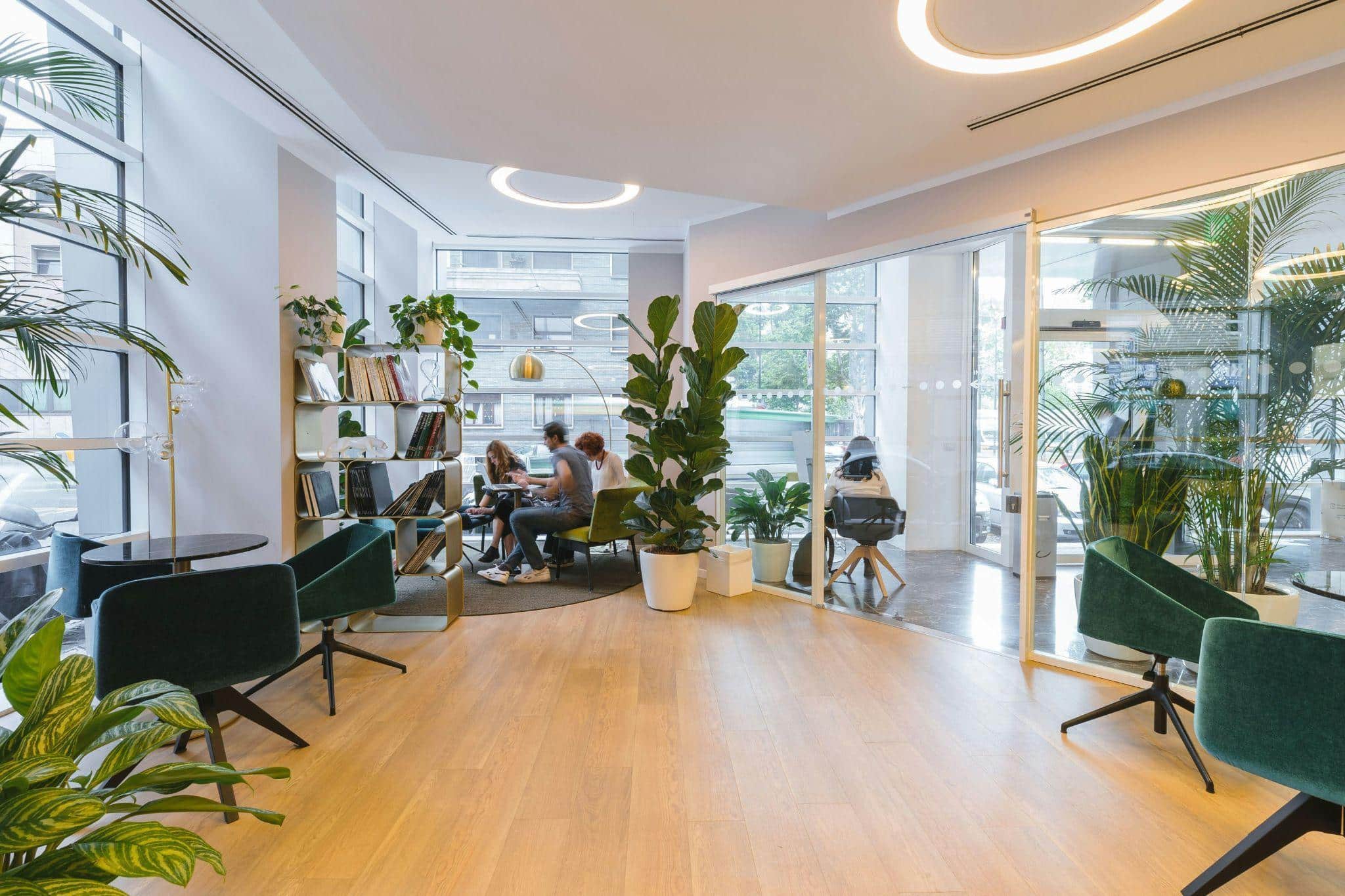
Modern physical spaces must evolve quickly. Seasonal promotions, changing services, and shifting customer needs mean that environments can’t remain static. First impressions need to stay fresh and relevant, not just strong once.
Adaptable visual elements allow spaces to update their message without major disruption. This flexibility helps maintain a positive first impression over time, ensuring that repeat visitors continue to feel engaged rather than bored or confused.
In a world where change is constant, static environments quickly fall behind.
The Emotional Impact of Entering a Space
Beyond logic and branding, first impressions carry emotional weight. People instinctively respond to how a space makes them feel. Calm, curiosity, confidence, or discomfort all arise before conscious thought.
Spaces that feel inviting reduce anxiety and make interactions easier. This is particularly important in environments like healthcare offices, service centers, or workplaces, where emotional comfort plays a key role in satisfaction.
A positive emotional response at first glance can set the stage for smoother communication and stronger relationships.
Small Details Have Outsized Effects
One of the most overlooked aspects of first impressions is how much impact small details have. Minor visual cues often influence perception more than large structural features.
Because people process environments holistically, even subtle improvements can shift how a space is perceived. This makes first impressions one of the most efficient areas to improve when aiming to enhance the overall experience.
Why First Impressions Matter More Now Than Ever
Physical spaces are no longer judged in isolation. They are compared against countless digital experiences and competing environments. People move quickly, decide faster, and expect clarity immediately.
In this context, first impressions are not just about aesthetics. They are about trust, relevance, and emotional comfort. They influence whether people engage, stay, and return.
By treating first impressions as a strategic priority rather than an afterthought, businesses and organizations can ensure their physical spaces work as hard as their digital ones, delivering impact from the very first glance.