

Vehicle color might seem like a simple style choice, but research shows it can influence how often a car is involved in accidents. Some colors stand out more on the road, while others blend into the surroundings and make it harder for drivers to react. Understanding this link can help drivers make safer choices and stay more alert in different driving conditions.
This also matters when you try to explain your situation in a claim. Many people look for ways to win compensation after a car accident, and visibility can play a role in how an accident is understood. Color does not decide who is at fault, but it can shape how clearly other drivers saw your vehicle before the crash.
Why Color Affects Visibility
Color has a strong effect on how easily a car can be seen. Bright colors catch the eye and help other drivers judge distance and speed. Darker shades blend into the road or low light. When visibility drops, the chance of a collision rises.
Drivers do not always think about visibility when choosing a color. They often choose based on style or trend. But differences in visibility can make a real impact during early mornings, late evenings, or bad weather.
Colors With Higher Accident Rates
Studies often point to darker colors as having higher accident frequencies. These shades disappear into the environment, especially at night or during storms.
Black Vehicles
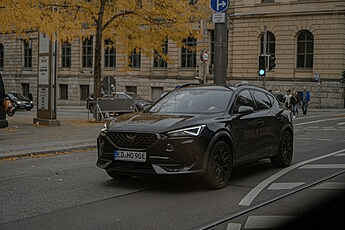
Black cars tend to blend into shadows and dim surroundings. Many accidents happen because other drivers do not see them until it is too late.
Gray and Silver Vehicles
Gray and silver vehicles reflect less contrast against the sky and the road. They often appear dull in rainy or cloudy weather, which reduces reaction time for others.
Blue and Green Vehicles
These colors can sometimes mix with natural backgrounds like trees or hills. In rural areas, this lowers the car’s visibility even more.
Colors With Lower Accident Rates
Some colors stand out more and help reduce the risk of collisions. They make the vehicle easier to spot from far away.
White Vehicles
White cars reflect more light. They are easy to see in most conditions and remain visible even in low light.
Yellow Vehicles
Yellow has strong contrast against nearly every background. It grabs attention and makes it clear where the car is headed.
Red Vehicles
Red vehicles also catch the eye. While not as bright as white or yellow, they remain more visible than darker shades.
Weather and Time of Day Matter
The effect of color changes with the environment. Fog, rain, snow, and dust reduce visibility for every driver. Darker cars become even harder to see, while brighter cars maintain some contrast.
At night, streetlights and headlights help, but they cannot fully replace natural light. Drivers of dark vehicles must be extra alert. Even reflective surfaces only help to a point.
How Color Influences Driver Behavior
Some drivers choose bold colors because they enjoy standing out. Others choose dark shades because they want a sleek look. But these choices can influence behavior on the road. Drivers of bright cars often feel more visible and may drive more confidently. Drivers of dark cars may feel the need to be more cautious, especially in heavy traffic or poor weather.
Still, no color guarantees safety. The way a person drives matters far more.
What This Means for Accident Claims
When a crash happens, investigators look at visibility, road conditions, and driver behavior. Vehicle color becomes part of the discussion only when visibility played a role. A bright color may show that visibility was strong. A dark color may explain why another driver did not see the vehicle in time.
Color alone does not decide who was right or wrong. But it helps explain the full picture of how the accident occurred.
Tips for Staying Safe No Matter the Color
You can stay safe on the road with simple habits, no matter what color you drive.
- Use headlights early in low light.
- Keep your car clean so the color stays visible.
- Slow down during bad weather.
- Maintain a safe distance from other vehicles.
- Stay alert in areas with low lighting.
These steps increase safety for every driver.
Key Takeaways
- Vehicle color affects how often a car is involved in accidents.
- Dark colors blend into the background and reduce visibility.
- Bright colors stand out and help other drivers react sooner.
- Weather and time of day change how visible each color appears.
- Color can support the explanation of an accident but does not decide fault.