

Key Takeaways
- Persistent tooth pain, swelling, and sensitivity are common signs that may indicate the need for a root canal.
- Oral health can be improved, and more serious dental problems can be avoided with early detection and timely treatment.
- Consulting with dental professionals ensures accurate diagnosis and appropriate treatment.
Introduction
Keeping one’s mouth healthy is essential for general health, but many people ignore dental problems until they get out of hand. Root canals are renowned for being daunting but essential in preserving natural teeth and maintaining oral health. Understanding the signals that indicate the need for a root canal can lead to earlier interventions, reducing discomfort and preventing further complications.
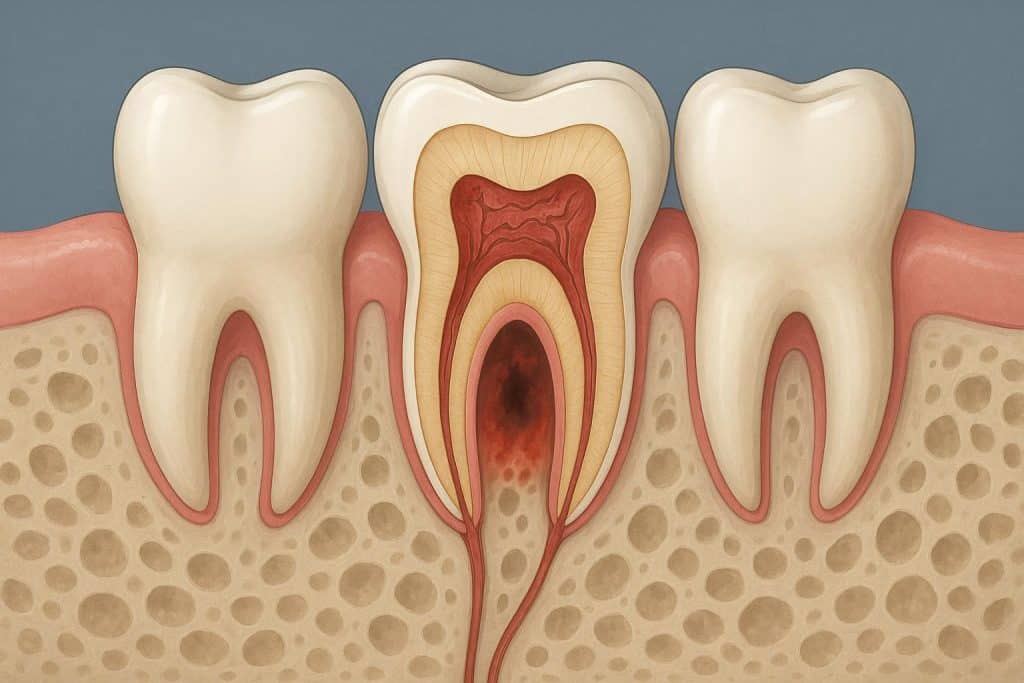
Root canals are procedures designed to save infected teeth by removing the diseased pulp, cleaning the tooth’s interior, and sealing it. Awareness of the warning symptoms is crucial for maintaining oral health because it can mean the difference between retaining or losing a tooth.
Persistent Tooth Pain
A persistent toothache is the most prevalent sign that you might require a root canal. This discomfort might be minor, moderate, or severe and can happen occasionally or all the time. Biting or applying pressure to the afflicted tooth often intensifies the discomfort. This pain may also spread from the tooth to other regions like the jaw or ear.
Further evaluation by a dentist is necessary if pain does not go away with over-the-counter medication or if there is no visible cavity. Seeking tooth pain relief promptly can help diagnose the underlying issue and decide if a root canal is necessary.
Sensitivity to Temperature
Another common indication that you may require a root canal is experiencing increased sensitivity to hot or cold meals and beverages. Sensitivity that persists long after exposure may indicate an infection or damage to the tooth’s pulp. This feeling frequently begins as a slight discomfort and can worsen into more severe agony if ignored.
Reputable clinics like Advanced Smiles Marion may offer a comprehensive evaluation and help with essential treatments when sensitivity becomes an issue. Dentists can identify the primary cause of the sensitivity and decide whether a root canal is necessary to fix the problem.
Swelling and Tenderness
Swelling in the gums surrounding a specific tooth, often accompanied by tenderness, is another sign that you might need a root canal. This swelling results from infection and can sometimes lead to an abscess, a pocket of pus. Such conditions can cause significant discomfort and can affect not only the tooth but also the surrounding tissues.
Ignoring swelling or tenderness can allow the infection to progress, potentially spreading to other areas of the mouth or body. Addressing these symptoms with a dental professional quickly is crucial for preventing further complications.
Darkening of the Tooth
Teeth that undergo significant discoloration, turning darker over time, could indicate an issue with the tooth’s nerve and may signal the need for a root canal. This discoloration occurs when the pulp within the tooth is damaged, leading to the darkening of the dentin and enamel.
Unlike surface stains caused by foods or drinks, this discoloration is internal, and professional evaluation is necessary to determine the best course of action. Often, a root canal can help salvage the tooth while preventing further discoloration and degradation.
Persistent or Recurring Pimples on the Gums
Another indicator is the presence of pimples or boils on the gums. These can occur near the tooth root and may periodically release pus. While they sometimes disappear and reoccur, they should not be ignored as they are signs of infection in the tooth’s root.
These pimples serve as a drainage route for the infection, but their presence indicates the need for dental treatment to address the root cause, often found in an inflamed or infected dental pulp. If the disease is not treated, it may progress and cause more serious issues, including possible tooth loss.
Conclusion
Knowing the warning signs that you may require a root canal can avoid needless suffering and complex future operations. Potential warning signs that should not be disregarded include tooth pain, sensitivity, swelling, discoloration, and recurrent zits.
Early consultation with a dentist guarantees a precise diagnosis and prompt, efficient treatment. Notwithstanding its negative connotations, a root canal protects your general oral health and preserves your original teeth. To provide the best possible care and lifespan for oral health, it is imperative that you do not put off getting professional assistance if these symptoms appear.