

In today’s world, sustainability isn’t just a buzzword; it’s a necessity, especially within the healthcare sector. From reducing carbon footprints to conserving resources, embracing eco-friendly practices is crucial for the well-being of both patients and the planet. When it comes to creating or renovating medical spaces, sustainable medical fitouts offer a unique opportunity to align healthcare with environmental responsibility.
Think about it: hospitals and clinics consume significant amounts of energy and resources. By adopting sustainable design principles and materials, we can minimise environmental impact while creating healthier, more welcoming spaces for patients and staff. This article explores the eco-friendly approach to medical fitouts, highlighting the benefits, strategies, and practical considerations involved.
Why choose sustainable healthcare fitouts?
Opting for sustainable healthcare fitouts goes beyond simply being environmentally conscious. It offers a multitude of benefits, impacting everything from operational costs to patient well-being. Let’s delve into some key advantages.
Reduced operational costs
One of the most compelling reasons to invest in sustainable fitouts is the potential for long-term cost savings. Energy-efficient lighting, HVAC systems, and water-saving fixtures can significantly reduce utility bills. Imagine the savings you could achieve by switching to LED lighting throughout your practice.
Moreover, sustainable materials often require less maintenance and have a longer lifespan, further reducing expenses over time. It’s an investment that pays dividends well into the future.
Improved patient and staff well-being
Sustainable design focuses on creating healthier indoor environments. Using low-VOC (volatile organic compound) paints, natural materials, and improved ventilation systems can reduce air pollution and create a more comfortable atmosphere. This is particularly important in healthcare settings, where patients may be more vulnerable to environmental irritants.
Happy staff and comfortable patients can lead to better outcomes and a more positive experience overall. Consider the impact of natural light and biophilic design (incorporating natural elements) on reducing stress and promoting healing.
Enhanced reputation and brand image
In an increasingly eco-conscious world, demonstrating a commitment to sustainability can significantly enhance your organisation’s reputation. Patients are more likely to choose healthcare providers who prioritise environmental responsibility. A commitment to healthcare fitouts that are kind to the environment shows that you care about more than just profits.
By showcasing your sustainable practices, you can attract environmentally aware patients and build a positive brand image that resonates with the community. It’s a powerful way to differentiate yourself in a competitive market.
Compliance with regulations and standards
Increasingly, local councils and regulatory bodies are implementing stricter environmental standards for buildings, including healthcare facilities. By adopting sustainable fitout practices, you can ensure compliance with these regulations and avoid potential penalties. Staying ahead of the curve is always a good strategy.
Furthermore, green building certifications like Green Star can provide independent verification of your sustainability efforts, further enhancing your credibility.
Key strategies for eco-friendly medical fitouts
Creating a sustainable medical space requires careful planning and execution. Here are some key strategies to consider when embarking on your fitout project.
Sustainable material selection
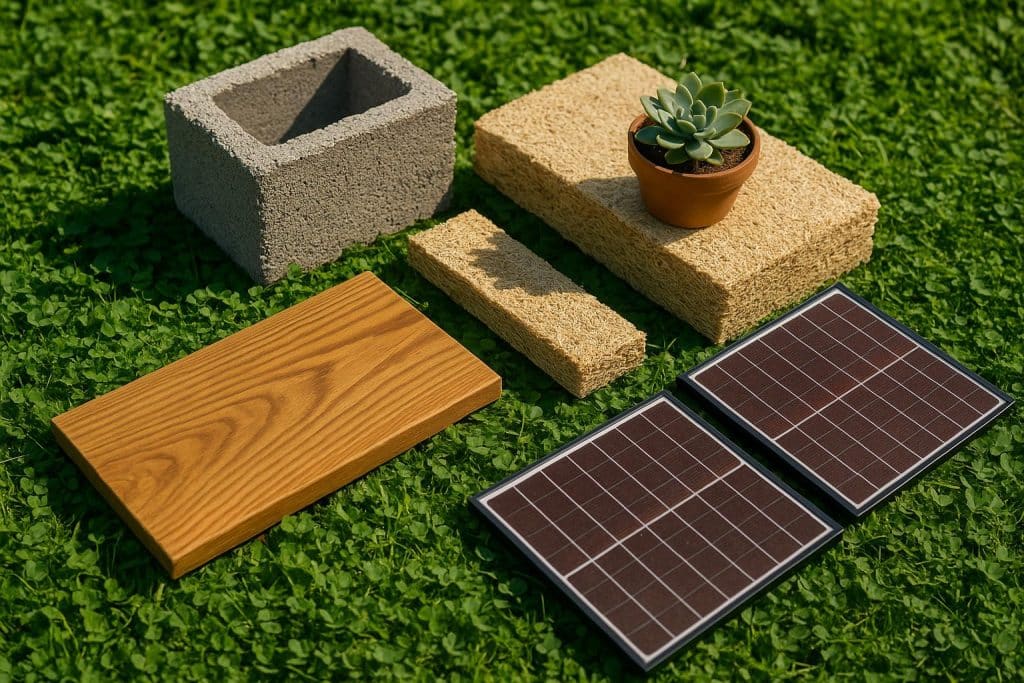
Choosing eco-friendly materials is paramount. Opt for materials that are recycled, renewable, and locally sourced whenever possible. Consider bamboo flooring, recycled glass countertops, and reclaimed wood accents.
Look for materials with low VOC emissions to minimise indoor air pollution. Certifications like GreenGuard can help you identify products that meet strict environmental standards. Remember, every choice contributes to a healthier environment.
Energy-efficient lighting and HVAC systems
Lighting and HVAC systems are major energy consumers in healthcare facilities. Upgrading to LED lighting and energy-efficient HVAC systems can significantly reduce your energy footprint. Consider installing occupancy sensors to automatically turn off lights in unoccupied areas.
Implementing smart building management systems can further optimise energy usage by monitoring and adjusting temperature and lighting levels based on real-time conditions. It’s about using technology to create a more efficient and comfortable environment.
Water conservation measures
Conserving water is another crucial aspect of sustainable fitouts. Install low-flow toilets, faucets, and showerheads to reduce water consumption. Consider using rainwater harvesting systems for irrigation and non-potable uses.
Implementing water-efficient landscaping practices, such as using native plants and drought-tolerant species, can further minimise water usage. Every drop counts when it comes to conserving this precious resource.
Waste management and recycling programs
During the fitout process, implement a comprehensive waste management and recycling program to minimise construction waste. Sort and recycle materials like timber, metal, and concrete.
Once the fitout is complete, establish ongoing recycling programs for staff and patients to reduce waste generation. Educate everyone about the importance of recycling and provide convenient recycling bins throughout the facility. It’s a team effort.
Biophilic design principles
Incorporating natural elements into the design can have a profound impact on patient and staff well-being. Integrate indoor plants, natural light, and views of nature to create a calming and restorative environment.
Use natural materials and textures to create a connection with the outdoors. Studies have shown that biophilic design can reduce stress, improve mood, and accelerate healing. Consider how you can bring the outdoors in.
Optimising natural light and ventilation
Maximising natural light and ventilation can reduce reliance on artificial lighting and HVAC systems. Design the layout to allow natural light to penetrate deep into the building. Install operable windows to allow for natural ventilation.
Consider using light shelves and reflective surfaces to distribute natural light more evenly throughout the space. Harnessing the power of nature can create a more comfortable and energy-efficient environment.
Practical considerations for sustainable medical fitouts
While the benefits of sustainable medical fitouts are clear, there are several practical considerations to keep in mind when planning your project.
Budget and cost analysis
Sustainable materials and technologies may have a higher upfront cost compared to conventional options. However, it’s essential to conduct a thorough cost analysis to assess the long-term savings and benefits. Consider the reduced operational costs, improved patient outcomes, and enhanced reputation that sustainable fitouts can provide.
Explore available incentives and grants for green building projects. Government rebates and tax credits can help offset the initial investment costs. Remember, sustainability is an investment, not just an expense.
Selecting the right design and construction team
Choosing a design and construction team with experience in sustainable healthcare fitouts is crucial. Look for professionals who understand green building principles and have a proven track record of delivering successful sustainable projects. Ensure they are familiar with relevant regulations and standards.
Collaborate closely with your team to develop a comprehensive sustainability plan that aligns with your goals and budget. Open communication and collaboration are essential for a successful project.
Minimising disruption during construction
Construction projects can be disruptive to healthcare operations. Plan the fitout in phases to minimise disruption to patient care. Communicate clearly with staff and patients about the project timeline and potential impacts.
Implement dust control measures and noise reduction strategies to minimise discomfort. Consider using modular construction techniques to reduce on-site construction time and disruption. A well-planned and executed project can minimise negative impacts.
Maintaining and monitoring performance
Once the fitout is complete, it’s essential to maintain and monitor the performance of sustainable systems. Regularly inspect and maintain equipment to ensure optimal efficiency. Track energy and water consumption to identify areas for improvement.
Implement a building management system to monitor and control building performance in real-time. Regularly review and update your sustainability plan to ensure it remains relevant and effective. Continuous improvement is key to long-term sustainability.
By embracing an eco-friendly approach to dental fitouts and other healthcare spaces, you can create a healthier, more sustainable future for your patients, staff, and the planet. It’s an investment that pays dividends in countless ways.
Frequently asked questions
What are the key benefits of sustainable medical fitouts?
Sustainable fitouts offer reduced operational costs, improved patient and staff well-being, enhanced reputation, and compliance with regulations.
How can I reduce energy consumption in my medical facility?
Upgrade to LED lighting, install energy-efficient HVAC systems, optimise natural light, and implement smart building management systems.
What are some sustainable materials I can use in my fitout?
Consider using recycled materials, renewable resources like bamboo, and low-VOC paints and adhesives.
How can I minimise waste during the fitout process?
Implement a comprehensive waste management and recycling program to sort and recycle construction waste.
What is biophilic design, and how can it benefit my medical facility?
Biophilic design incorporates natural elements into the built environment to reduce stress, improve mood, and accelerate healing.