

Ever walk into someone’s home and think, Why does this place feel so good? It’s not just the color of the walls or the smell of coffee brewing—it’s smart design. Good design doesn’t shout; it whispers in small, thoughtful choices that quietly shape how we move, sit, sleep, and live. In today’s world of rising costs and shifting lifestyles, these choices matter more than ever. And no, comfort isn’t just about plush pillows.
Design That Thinks Ahead
In the past, home design meant aesthetics: paint swatches, trendy decor, and fast furniture. Now, there’s a growing shift toward design that does more—comfort that lasts, spaces that adapt, and homes that work smarter, not harder. This shift has been fueled by bigger societal trends: a global pandemic that turned kitchens into offices, an aging population needing safer spaces, and a collective realization that our homes aren’t just backdrops—they’re the setting for everything.
This smarter approach to design focuses on how we feel in our homes over time. And with today’s economy, fewer people are buying brand-new properties. Many are renovating or even renting with intention. That’s where design becomes less about flash and more about function.
Little Changes with Big Payoffs
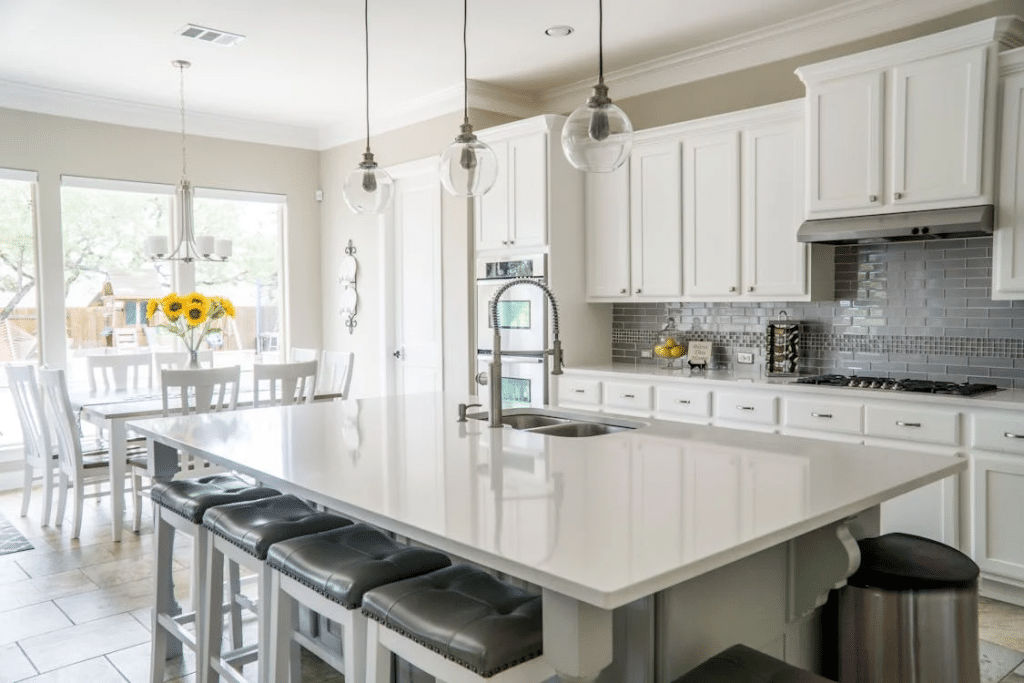
You don’t need a full remodel to improve your daily comfort. Thoughtful upgrades can make a world of difference. For example, replacing harsh overhead lights with warmer bulbs can ease eye strain. Adding more kitchen counter space or using fold-out furniture transforms how a room feels.
Bathroom updates are another underrated comfort boost. If your shower leaves you feeling more frustrated than refreshed, it might be time to consider a replacement shower. Modern models often have features like built-in shelving, non-slip floors, or water-efficient fixtures that reduce bills and improve safety. You don’t have to gut the entire bathroom—a better-designed shower alone can turn rushed mornings into easier starts.
Investing in functional upgrades like these doesn’t just make life easier now. It also saves time and hassle down the line. Smart design doesn’t just solve problems; it prevents them from happening in the first place.
The Aging-in-Place Movement
We’re living longer, and we want to stay in our homes longer too. Aging-in-place design is no longer a niche trend; it’s a national priority. Features like wider doorways, step-free entries, and lever-style door handles are increasingly popping up in both new homes and retrofits. They’re not just for seniors—they’re smart choices that help anyone, whether it’s a grandparent, a kid with a scooter, or someone recovering from an injury.
Universal design, once seen as “medical,” is becoming mainstream because it looks good and feels right. And honestly, who wouldn’t prefer a bathroom they can navigate without worrying about slipping?
Mental Comfort Is Part of the Deal
Smart design isn’t only physical. It deeply affects mental well-being. Open floor plans, natural light, and calming color palettes aren’t just Pinterest-friendly—they reduce stress. Cluttered, dark, noisy spaces? They do the opposite. There’s a reason so many people fled cramped apartments during the pandemic in search of better layouts and airier environments.
Creating zones within a room—like a reading nook or a designated workspace—helps the brain shift between tasks. It’s a quiet design cue that supports focus or relaxation, depending on what’s needed. With remote and hybrid work still common, these small distinctions at home have become vital.
Sustainability Can Be Comfortable, Too
Sustainable design has long been associated with sacrifice—turning down the thermostat, dealing with weird materials, or giving up space. But modern green design is changing that narrative. Today, energy-efficient windows reduce drafts and monthly bills. Smart thermostats keep temperatures consistent without constant fiddling. Insulation upgrades mean quieter, cozier rooms.
And this isn’t just about the planet. With utility costs climbing, energy-conscious design has become a personal finance decision, not just an environmental one. Comfort and sustainability no longer compete—they collaborate.
Tech That Serves, Not Distracts
It’s easy to be overwhelmed by the “smart home” trend. Just because a toaster can connect to Wi-Fi doesn’t mean it should. But the right technology can support long-term comfort. Think smart blinds that adjust to sunlight, or voice-activated lights that help people with mobility limitations. These aren’t gimmicks—they’re tools.
Still, design should lead, not tech. No app should be required just to turn on your sink. The best smart home features quietly integrate into your life without demanding attention. Ironically, the smartest design is often the least flashy.
Flexibility for Real Life
Here’s a secret: no home looks like a magazine spread 24/7. Real homes have backpacks by the door, cords that need hiding, and furniture that does double duty. Smart design acknowledges this reality and builds in flexibility.
Multi-use spaces are a prime example. A guest bedroom that also functions as a home office or gym, with proper lighting and storage, is far more valuable than a single-purpose room used twice a year. Furniture with hidden compartments or foldable elements makes smaller homes feel larger. When life changes—as it inevitably does—your space can change with you.
Comfort Looks Different for Everyone
Comfort isn’t a one-size-fits-all concept. For some, it’s the ease of reaching kitchen shelves without a stool. For others, it’s knowing the floor won’t freeze your feet in winter. Smart design listens to individual needs and finds solutions that respect them.
There’s a certain irony in the fact that design often tries to impose a “look” instead of supporting actual living. The best spaces don’t just look good on Instagram—they feel good when you’re padding around barefoot with a cup of coffee. They’re the places where your body relaxes and your brain stops scanning for obstacles.
We’re entering an era where comfort is no longer a luxury; it’s a right. As housing prices rise and people stay put longer, the way we shape our homes matters more than ever. The future of design isn’t about what’s trendy—it’s about what works, what lasts, and what truly makes us feel at home.