

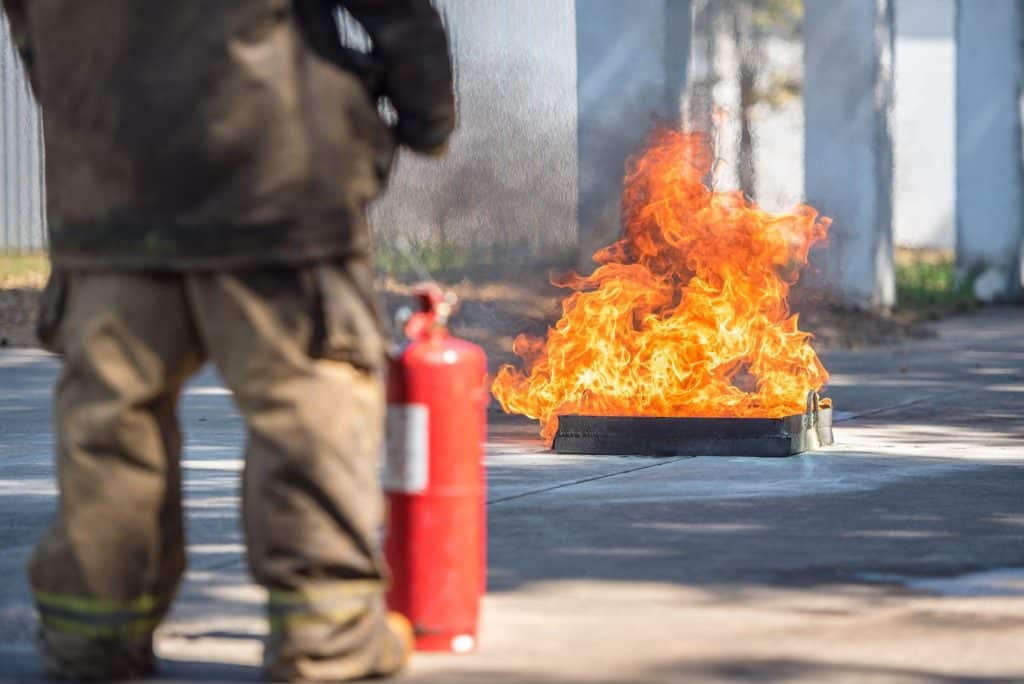
Artificial intelligence is increasingly shaping how fire safety responsibilities are executed in complex and high-risk environments. From large construction projects to industrial facilities and critical infrastructure, AI is now being used to enhance situational awareness, decision-making, and oversight for professionals responsible for preventing fire-related incidents. Within this broader evolution of fire safety operations, services such as Officers for fire watch illustrate how technology-supported oversight is becoming an integral part of modern risk management strategies.
Fire Safety Oversight in an Era of Increasing Complexity
Fire safety officers operate in environments that are far more dynamic than in the past. Temporary system impairments, accelerated construction schedules, dense equipment layouts, and mixed-use facilities have increased both the frequency and complexity of potential fire hazards. Traditional oversight models, largely dependent on manual patrols, visual inspections, and handwritten reports, remain essential but face limitations when conditions change rapidly.
As operational environments grow more complex, the demand for continuous awareness and faster interpretation of risk data has driven the adoption of artificial intelligence as a support mechanism rather than a replacement for on-site expertise.
Artificial Intelligence as a Support System for Fire Safety Officers
AI in fire safety functions primarily as an analytical and coordination layer. Its role is not to replace trained fire safety officers, but to support them by processing large volumes of information that would otherwise be difficult to evaluate in real time.
By aggregating environmental data, site activity patterns, operational schedules, and historical incident records, AI systems provide officers with contextual insights that enhance situational awareness. This allows on-site personnel to focus attention on priority areas while maintaining broader oversight across complex facilities.
Enhancing Situational Awareness Through Real-Time Analysis
One of the most significant contributions of AI to fire safety oversight is real-time analysis. Instead of relying solely on periodic patrols or static checklists, AI-enabled systems continuously evaluate conditions across monitored areas.
Subtle changes, such as abnormal temperature trends, workflow deviations, or recurring minor irregularities, can be identified and flagged for closer inspection. This continuous assessment supports early intervention, enabling fire safety officers to address emerging risks before they escalate into incidents.
Reducing Cognitive Load for On-Site Personnel
Fire safety officers are often responsible for overseeing large areas, multiple risk zones, and varied activities simultaneously. AI helps reduce cognitive load by filtering and prioritizing information.
Rather than overwhelming officers with raw data, intelligent systems highlight relevant insights and actionable alerts. This structured information flow improves focus, reduces fatigue, and supports more consistent decision-making during extended shifts or high-pressure situations.
Supporting Faster and More Accurate Decision-Making
In fire safety, response speed and accuracy are closely linked. AI-supported oversight improves both by correlating multiple data points before escalating concerns. This reduces false alarms while ensuring genuine threats receive immediate attention.
For fire safety officers, this means decisions are based on validated patterns rather than isolated observations. The result is more confident action, fewer unnecessary disruptions, and a clearer understanding of evolving site conditions.
AI and On-Site Oversight During System Impairments
Fire watch requirements frequently increase when fire alarm systems, sprinklers, or suppression equipment are temporarily offline. These periods introduce heightened risk and demand closer oversight.
AI systems support fire safety officers during such impairments by increasing monitoring sensitivity, tightening reporting intervals, and maintaining continuous documentation. This ensures that elevated risks are managed systematically until full system functionality is restored.
Improving Consistency Across Large or Distributed Sites
Maintaining consistent fire safety standards across large facilities or multi-site operations is a longstanding challenge. Individual judgment, varying experience levels, and environmental differences can lead to uneven oversight.
AI contributes to consistency by applying standardized risk assessment models across locations. While human judgment remains central, AI-supported frameworks help align oversight practices, ensuring that safety protocols are applied uniformly regardless of site size or complexity.
Documentation, Reporting, and Accountability
Accurate documentation is a critical component of fire safety oversight, particularly in regulated industries. Manual reporting processes can introduce delays or inconsistencies, especially during busy operational periods.
AI-supported systems automate time-stamped logging of patrols, observations, and escalations. For fire safety officers, this reduces administrative burden while improving accountability, audit readiness, and transparency for regulators, insurers, and stakeholders.
Strengthening Communication and Coordination
Adequate fire safety oversight depends on clear communication between officers, site management, and emergency responders. AI platforms support this coordination by centralizing information and providing a shared operational picture.
When risks are identified, relevant parties receive consistent, context-rich updates. This reduces miscommunication and ensures that response efforts are aligned across teams.
Balancing Safety Oversight With Operational Efficiency
One concern often associated with enhanced monitoring is the potential for operational disruption. Excessive alerts or rigid oversight can interfere with productivity without delivering proportional safety benefits.
AI addresses this balance by refining alert thresholds and correlating multiple indicators before escalating concerns. This precision allows fire safety officers to maintain high safety standards while minimizing unnecessary interruptions to ongoing operations.
Adapting Fire Safety Oversight to Evolving Risk Profiles
Risk environments are not static. Construction phases change, equipment is relocated, staffing levels fluctuate, and external conditions evolve. AI systems continuously adapt to these shifts by updating risk models based on current data.
For fire safety officers, this adaptive capability ensures that oversight remains aligned with real-world conditions rather than outdated assumptions. It supports proactive planning and more resilient fire safety strategies.
A Broader Shift Toward Intelligent Safety Support
The integration of AI into fire safety oversight reflects a wider trend toward intelligent support systems across safety-critical industries. Similar developments are seen in predictive maintenance, occupational safety monitoring, and emergency preparedness.
In each case, AI serves as a force multiplier, enhancing human capability, improving consistency, and enabling faster, more informed responses without removing professional judgment from the process.
Conclusion: AI as a Strategic Ally in Fire Safety Oversight
Artificial intelligence is redefining how fire safety officers manage on-site oversight in high-risk environments. By enhancing situational awareness, supporting faster decision-making, and improving consistency and documentation, AI strengthens the effectiveness of human-led fire safety operations.
Rather than replacing expertise, AI functions as a strategic ally, providing analytical depth and real-time insight that enable fire safety officers to operate with greater confidence and precision. As environments continue to grow in complexity, the role of AI in supporting fire safety oversight is likely to become an essential component of modern fire risk management.