

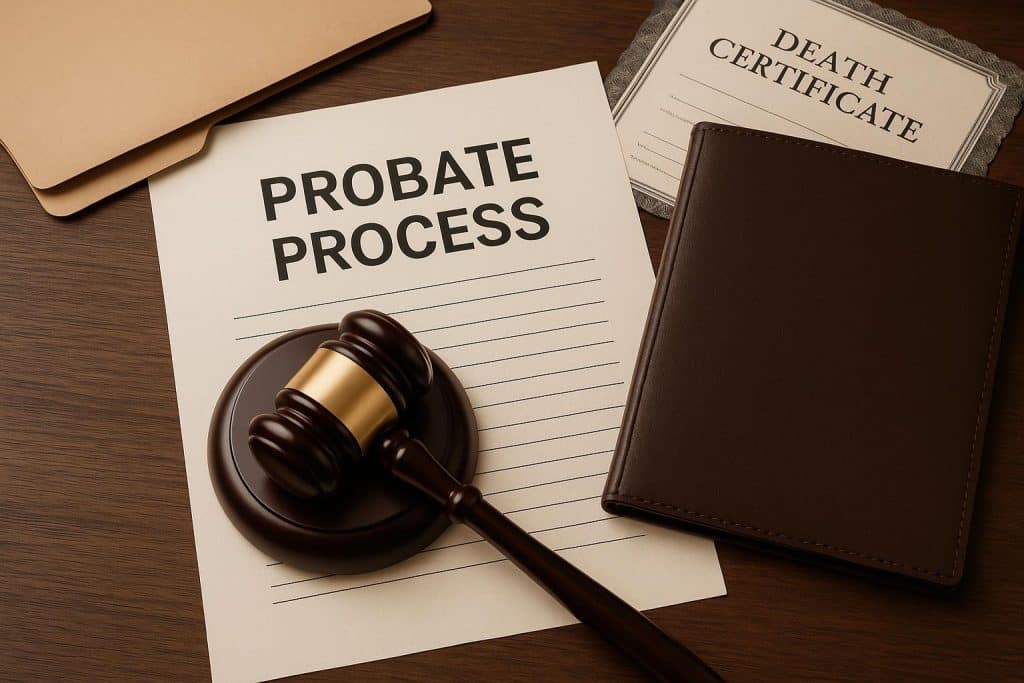
When someone passes away, their financial and legal affairs do not automatically disappear. Assets must be identified, debts resolved, and property transferred to heirs. This legal process is known as probate. While probate laws vary by state, the overall structure and purpose of the process are consistent across the United States.
Probate exists to protect heirs, creditors, and the integrity of a deceased person’s final wishes. Understanding how it works helps families avoid confusion, delays, and costly mistakes during an already difficult time.
What Is Probate?
Probate is a court-supervised legal process used to settle a deceased person’s estate. It determines whether a will is valid, appoints someone to manage the estate, ensures debts and taxes are paid, and oversees the distribution of remaining assets.
If a person dies without a will, probate also determines how assets are distributed under state intestacy laws. Either way, probate provides legal structure and accountability.
The Role of the Probate Court
Probate courts oversee the entire estate settlement process. Their role is not to favor one party over another but to ensure that the law is followed and that assets are distributed fairly and legally.
For example, proceedings in the Tulsa County probate court involve validating wills, appointing personal representatives, resolving creditor claims, and approving final distributions.
Probate courts act as neutral authorities that reduce disputes and provide clarity when multiple parties are involved.
Key Steps in the Probate Process
While timelines and forms vary by jurisdiction, probate typically follows these core steps.
1. Filing the Probate Case
The process begins when a petition is filed with the appropriate probate court. This usually happens shortly after death and includes submitting the death certificate and the will, if one exists.
Once filed, the court formally opens the estate.
2. Appointment of a Personal Representative
The court appoints a personal representative, sometimes called an executor or administrator. This individual is legally responsible for managing the estate throughout probate.
Their duties include securing assets, maintaining records, communicating with heirs, and complying with court deadlines.
3. Identifying and Valuing Assets
All assets owned by the deceased must be identified and documented. This can include real estate, bank accounts, investments, business interests, and personal property.
Accurate valuation is critical because it affects tax obligations and final distribution amounts.
4. Paying Debts and Taxes
Before heirs receive anything, outstanding debts must be resolved. Creditors are notified and given a legal window to submit claims.
Valid debts, funeral expenses, and applicable taxes are paid from the estate. Only after these obligations are satisfied can distributions occur.
5. Distributing Remaining Assets
Once debts and expenses are paid, the remaining assets are distributed according to the will or state law if no will exists.
The court reviews and approves this final distribution to ensure compliance with legal requirements.
6. Closing the Estate
After all steps are completed, the personal representative submits a final accounting. Upon court approval, the estate is officially closed.
Probate With a Will vs. Without a Will
Having a will generally makes probate more predictable, but it does not eliminate the process.
- With a will: The court ensures the will is valid and oversees asset distribution as written.
- Without a will: State intestacy laws determine who inherits, often following a strict hierarchy.
In both cases, probate ensures transparency and legal protection.
Common Probate Challenges
Probate can become complicated for several reasons:
- Disputes among heirs
- Missing or outdated documents
- Unclear asset ownership
- Creditor claims
- Multi-state property issues
These complications often increase timelines and costs, which is why understanding the process early is valuable.
How Attorneys Help Clients During Probate
Attorneys play a practical, behind-the-scenes role during probate. They do not decide outcomes, but they help ensure the process runs smoothly and legally.
Typical responsibilities include:
- Preparing and filing court documents
- Advising personal representatives on legal duties
- Addressing creditor claims
- Interpreting probate laws and deadlines
- Helping resolve disputes when they arise
Their role is procedural and advisory, helping clients avoid missteps that could delay or jeopardize estate resolution.
Why Probate Knowledge Matters
Probate affects families emotionally and financially. Misunderstanding the process can lead to unnecessary stress, missed deadlines, or disputes that could have been avoided.
Knowing how probate works allows individuals to:
- Set realistic expectations
- Communicate better with family members
- Make informed estate planning decisions
- Reduce delays and legal risks
Probate is not inherently bad or something to fear. It is a legal framework designed to bring order and fairness at a critical moment.
Final Thoughts
Probate is a structured legal process meant to protect everyone involved in settling an estate. While it can feel overwhelming, understanding its purpose and steps makes it far more manageable.
Whether an estate is large or small, probate ensures accountability, clarity, and lawful distribution. With the right preparation and understanding, families can navigate the process with far less confusion and conflict.