

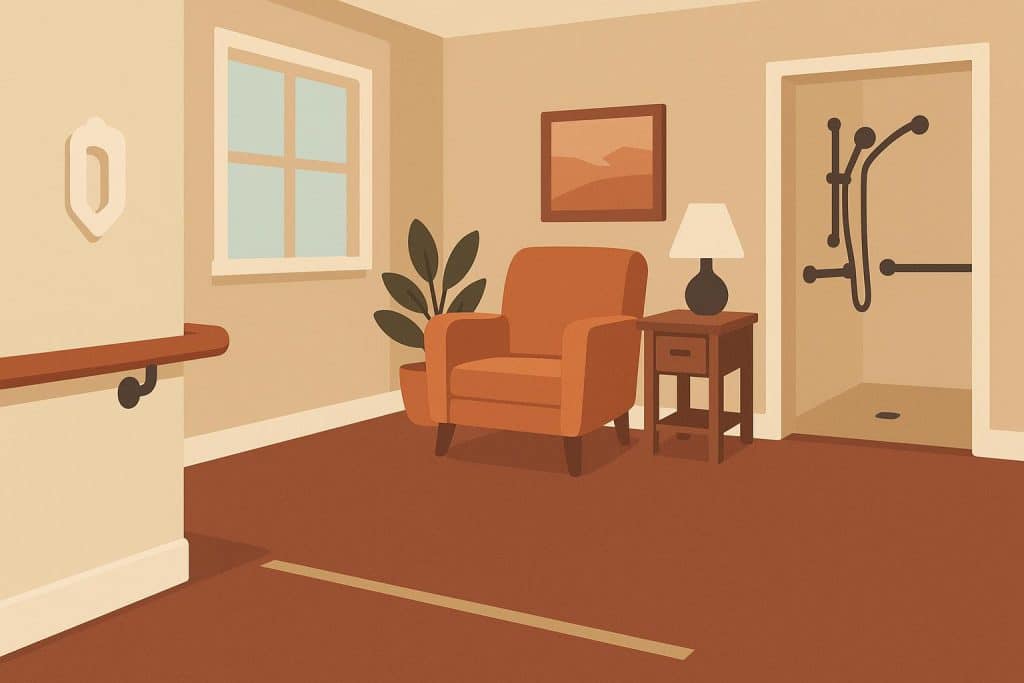
As people age, the environments they live in play an increasingly important role in their safety, independence, and overall quality of life. What once felt like a familiar and manageable space can slowly become difficult to navigate as mobility, vision, balance, or memory change. For families supporting aging loved ones, creating or choosing a living environment that prioritizes safety is one of the most important decisions they can make.
Safety-focused design is not about restricting freedom or creating an institutional atmosphere. Instead, it is about thoughtful planning that anticipates age-related challenges while preserving dignity, comfort, and autonomy. Whether a senior lives independently, with family, or in a care setting, the right environment can significantly reduce risks and support confidence in daily life.
Why Environment Matters More as We Age
Aging often brings physical and cognitive changes that directly impact how a person interacts with their surroundings. Reduced vision, slower reaction times, balance issues, and memory loss can turn ordinary spaces into potential hazards. Falls, confusion, and accidents are among the most common causes of injury for older adults.
A well-designed environment works proactively to reduce these risks. Clear pathways, supportive features, and intuitive layouts help seniors move confidently through their space. When seniors feel safe, they are more likely to remain active, engaged, and independent—key factors in maintaining both physical and emotional health.
Preventing Falls Through Thoughtful Design
Falls are one of the leading causes of injury among aging adults, making fall prevention a top priority in any senior-focused living environment. Many falls occur in high-use areas such as bathrooms, bedrooms, hallways, and entryways.
Effective fall-prevention design includes:
- Non-slip flooring throughout living spaces
- Smooth transitions between rooms without raised thresholds
- Adequate lighting in all areas, especially at night
- Secure handrails along hallways and stairways
- Grab bars near toilets and showers
- Clear, clutter-free walkways
These features work together to reduce trip hazards and provide physical support where it is needed most. Even small changes, such as improving lighting or rearranging furniture, can dramatically reduce fall risk.
Supporting Seniors With Cognitive Changes
For seniors living with dementia or other cognitive impairments, safety design must address more than physical mobility. Confusion, disorientation, and wandering behaviors can increase risk if environments are overly complex or poorly organized.
Design strategies that support cognitive safety include:
- Simple, intuitive floor plans
- Clear visual cues and signage
- Consistent color schemes to reduce confusion
- Minimal clutter and overstimulation
- Contrasting colors to help distinguish walls, floors, and furniture
These elements help seniors navigate their environment more easily and reduce anxiety caused by unfamiliar or overwhelming spaces.
Security That Preserves Independence
Safety and security should never feel like confinement. Seniors deserve environments that protect them while still allowing freedom of movement and personal choice. This balance is especially important in care settings where residents may need supervision without feeling restricted.
Secure entrances, monitored exits, and enclosed outdoor spaces can help prevent wandering while still allowing residents to move freely within safe boundaries. Thoughtfully designed courtyards and walking paths provide access to fresh air and nature without compromising security.
Families evaluating senior safety and security in care homes should look for environments where protection is integrated seamlessly into daily life rather than imposed through visible barriers.
The Critical Role of Lighting
Lighting is one of the most overlooked but impactful elements of senior safety. As eyesight changes with age, dim lighting or harsh glare can make navigation difficult and increase fall risk.
Best practices for senior-friendly lighting include:
- Bright, evenly distributed lighting in common areas
- Motion-activated night lights in bedrooms and bathrooms
- Reduced glare from windows or fixtures
- Consistent lighting levels to avoid sudden contrast changes
- Maximizing natural light during daytime hours
Proper lighting improves visibility, supports natural sleep cycles, and enhances mood, all while reducing safety risks.
Furniture and Layout That Promote Stability
Furniture selection and placement play a major role in how safely seniors move through their environment. Chairs that are too low, overly soft, or unstable can make standing difficult. Poor furniture placement can block walking paths or create unnecessary obstacles.
Safe furniture design considerations include:
- Chairs with firm cushions and armrests
- Stable tables that do not tip easily
- Rounded furniture edges to prevent injury
- Adequate spacing for walkers or wheelchairs
- Layouts that support natural movement patterns
Thoughtful spatial design allows seniors to navigate their surroundings with confidence and minimal assistance.
Technology as an Added Layer of Safety
Modern technology can enhance safety when used appropriately. Emergency call systems, motion sensors, and monitoring tools provide an additional layer of protection without interfering with daily routines.
In care environments, technology can alert staff to unusual movement, nighttime wandering, or potential emergencies. For families, these systems offer peace of mind, knowing their loved one has access to immediate help when needed.
Technology should always complement—never replace—human care and thoughtful design.
Safety Depends on People as Much as Design
Even the best-designed environment requires attentive, well-trained caregivers to maintain safety. Staff play a critical role in monitoring residents, assisting with mobility, and responding to changes in physical or cognitive health.
Caregivers trained in senior and memory care understand how to identify risks early, provide gentle assistance, and create a reassuring presence. Safety is most effective when environmental design and human support work together.
Creating Spaces That Feel Like Home
Ultimately, safe living environments should never feel cold or institutional. Seniors thrive in spaces that feel warm, familiar, and welcoming. Personal décor, comfortable common areas, and a home-like atmosphere help residents feel secure and respected.
When safety is built into the environment thoughtfully, seniors can live with greater confidence, independence, and dignity. Families gain reassurance knowing their loved one is supported by an environment designed to protect without limiting quality of life.