

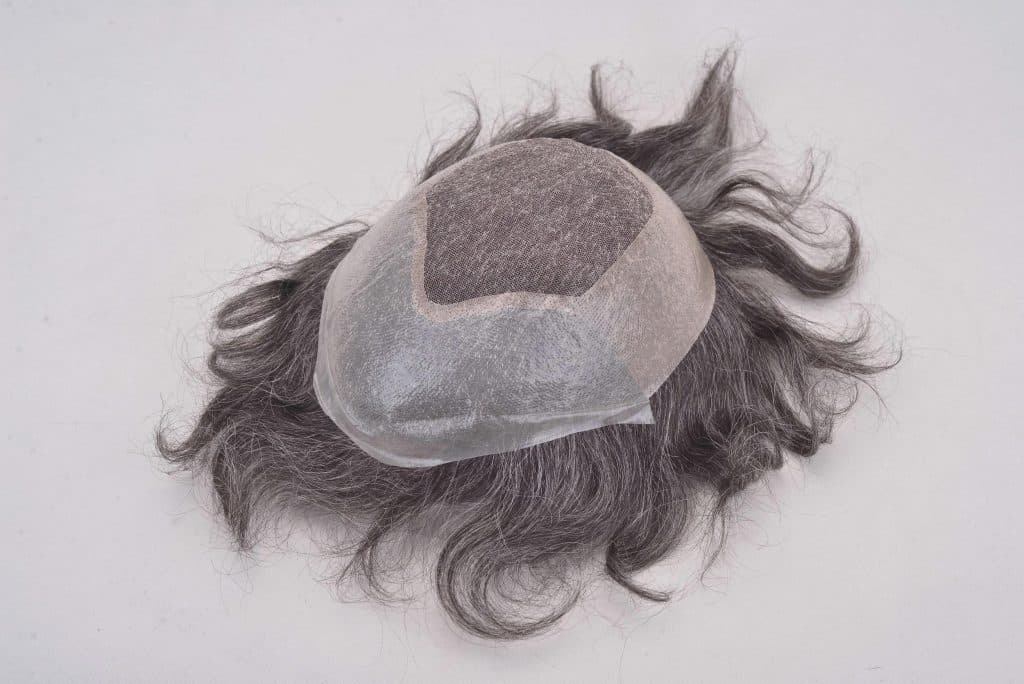
The Hair Replacement industry is really undergoing a change in the way it is defined. A new era in design and anatomically-minded thinking is replacing antiquated cosmetic nomenclature.
However, for several years, the explanations for hair-loss remedies were shorthand terms that no longer apply today. The term “toupee” still evokes certain associations, rooted in obvious outcomes and painful wear.
This does not jibe with a new generation of technologies that have shifted from a template to a new beginning, your scalp. The answer and its category have shifted as a result. The new generation of technologies for today and tomorrow is no longer a cosmetic fix but a Medical-grade Hair Prosthetic System.
This reflects a paradigm change in materials and fittings, as well as a new relationship with the medical profession.
Why the Old Label No Longer Fits
Older hairpieces followed a familiar routine. A base was chosen, trimmed and adjusted during fitting. Comfort was often secondary. Longevity depended on tolerance rather than design. If it looked acceptable, the job was considered done.
That experience shaped expectations. Many people still assume hair systems sit on the scalp rather than working with it. Yet modern users expect more. Daily wear, physical comfort and confidence in movement matter. That expectation shift is driven by a better understanding of Non-surgical hair restoration as something that must work in real life, not just in a mirror.
Language struggles to keep up with that change. Calling a precision-fitted system a toupee is like calling a custom orthotic a shoe insert. The function tells a different story.
Precision Changes Everything
At the heart of this shift is CRLAB CNC, which uses digital scalp capture and CNC manufacturing. Instead of guessing head shape, the process begins with a detailed scan. Every curve, contour and pressure area is recorded.
That data guides CNC milling to produce a base shaped specifically for one scalp. The goal is stability and balance, not surface coverage. This is the same logic used in prosthetic manufacturing. When fit is precise, movement feels natural. Comfort becomes predictable.
This approach is why many describe the result as an Undetectable hair replacement for men. Detection does not disappear solely because of styling. It disappears because the system behaves like part of the body rather than an add-on.
Function Comes Before Appearance
Appearance still matters, but it is no longer the starting point. In this framework, realistic men’s hair replacement is defined by how the system performs over long periods and under changing conditions. Heat, activity and daily routines all test the interface.
That functional focus reflects the complexities of men’s hair loss. Loss patterns vary widely. Scalp sensitivity differs. A standardized solution cannot adapt to those differences. A custom interface can.
By addressing hair loss as a physical condition rather than a cosmetic flaw, the system aligns with the logic of a Medical-grade hair prosthetic. Success is measured by comfort and consistency, not just visual approval.
Materials and Long-Term Wear Matter
Material selection reinforces this shift. Bases are designed for prolonged skin contact. Breathability reduces irritation. Flexibility supports natural movement. These are not cosmetic concerns. They are functional requirements.
Poor fit leads to pressure points and friction. Over time, that causes discomfort and instability. Prosthetic design avoids this through even load distribution and precise edge placement.
Key distinctions that separate modern systems from traditional hairpieces include:
- Digital scalp scanning rather than visual estimation
- CNC-milled bases matched to anatomy
- Materials suited for extended skin contact
- Reliable performance without surgery
Together, these features support Non-surgical hair restoration that feels practical rather than performative.
Changing Expectations and Reduced Stigma
How a solution is described shapes how it is used. Cosmetic framing encourages occasional wear and constant adjustment. Prosthetic framing encourages routine use and trust in the system.
This matters socially. Hair loss can subtly affect confidence. When a solution is understood as a functional aid rather than a disguise, the pressure shifts. An Undetectable hair replacement for men works best when it does not demand attention or explanation.
The change also affects professional settings. Comfort during long days matters more than appearance alone. That is where prosthetic logic proves its value.
A Technical Shift, Not a Trend
The end of the toupee era is not about fashion. It is about engineering choices. CNC manufacturing replaces approximation with repeatability. Anatomy replaces templates. Function replaces assumption.
CRLAB CNC systems sit between medicine and aesthetics, but their design logic is clear. They behave like interfaces, not accessories. That is why the label matters.
As expectations around Medical-grade hair prosthetic solutions continue to rise, terminology will adjust. The old term referred to a different technology. The new reality deserves more precise language.
This is not a reinvention driven by marketing. It is a response to what modern users actually need from Non-surgical hair restoration that fits daily life, not just appearances.