

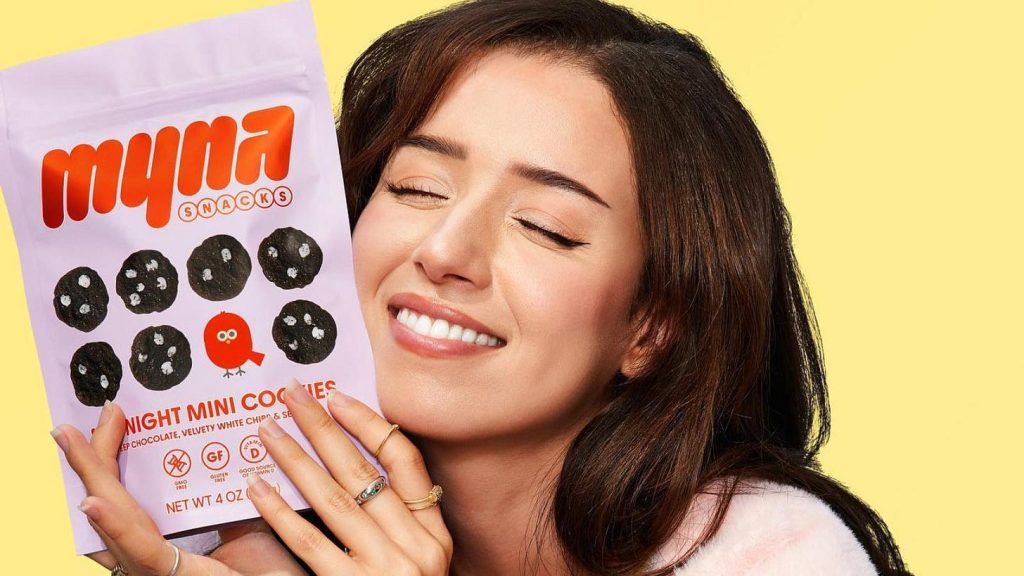
You’ve seen celebrity tequila and makeup lines, but what about cookies designed for gamers? When Imane ‘Pokimane’ Anys, one of the internet’s biggest stars, launched her snack company Myna, the debut sparked a debate that went far beyond flavor, raising questions about price and transparency (Pokimane Cookies).
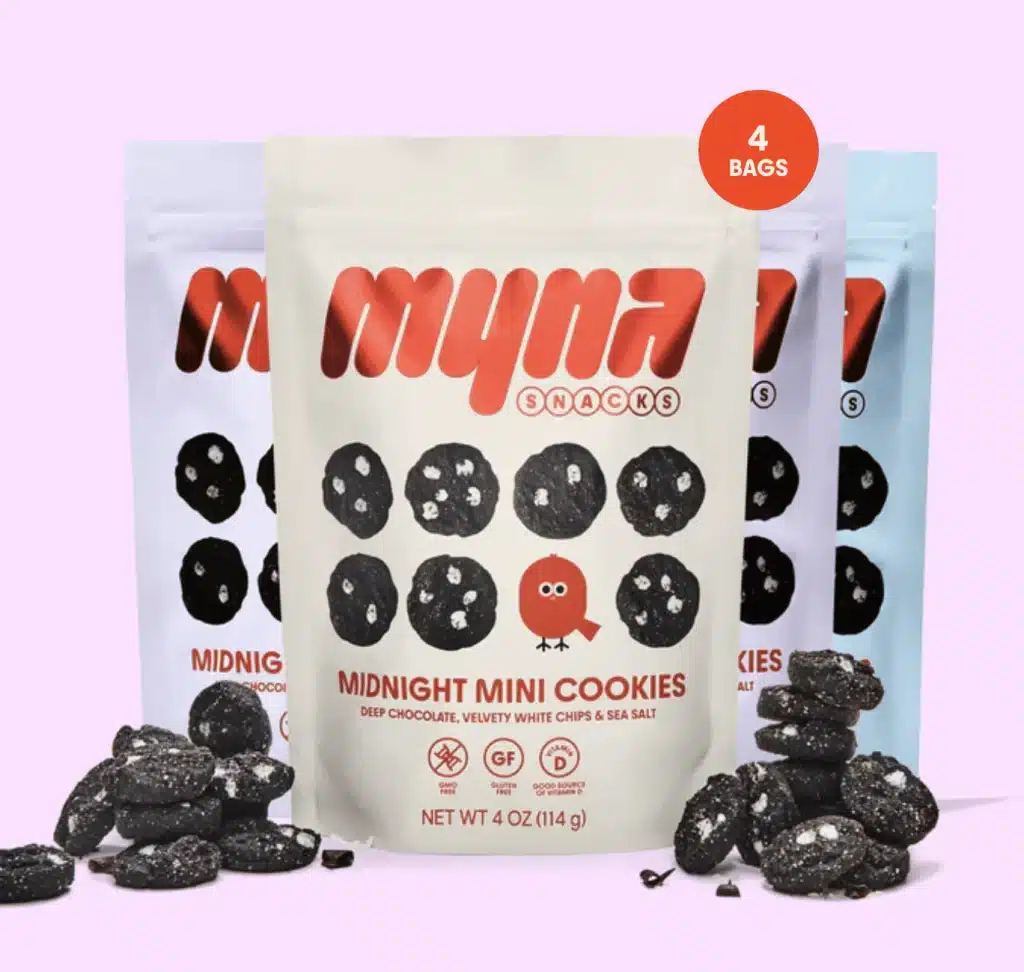
The product at the center of the controversy was the “Midnight Mini Cookies.” Positioned as a guilt-free treat, this was Myna’s first and only offering, aiming to carve out a niche in the crowded and competitive snack market.
Its main selling point was a unique health claim: the cookies were promoted as the first snack of its kind to include added Vitamin D. This was framed as a direct benefit for people with an “indoor lifestyle”—namely, the very audience of gamers and online fans who follow Pokimane.
The $10 Pokimane Cookie Problem: Why Myna Snacks Sparked a Backlash
Almost immediately after the launch, the excitement surrounding Myna Snacks soured. Online sleuths quickly pointed out that the $10-per-bag “Midnight Mini Cookies” looked nearly identical to a much cheaper Japanese snack, Tohato Harvest. This visual similarity, combined with the premium price, led to widespread accusations that the product was a simple, overpriced rebrand aimed at an unsuspecting fanbase. The core of the Myna Snacks controversy was born from this comparison.
The situation brought a common business practice into the spotlight: white labeling. This is when a company hires a manufacturer to produce an existing or slightly modified product, which is then sold under the company’s own new brand. You see this all the time with store brands like Costco’s Kirkland Signature, which are made by major producers but sold under the store’s name. It’s a standard way to bring a product to market quickly without building a factory from scratch.
In response, Pokimane explained that while Myna used the same manufacturer, her cookies were not a simple rebrand. She stated they were made with a unique, custom formula using more expensive ingredients, including Vitamin D. Acknowledging the public feedback on the price, the company later lowered the cost per bag. The entire episode revealed the delicate balance creator-led food products must strike between manufacturing realities and the high expectations of an online audience.
The Quiet End: What Myna’s Story Reveals About Creator Brands
The controversy evolved from online drama into a clear business lesson about transparency in the creator economy. The situation highlighted the need for consumers to distinguish between a thoughtful brand launch and a simple repackaging.
For those looking for simple, healthy snack alternatives for long desk sessions, consider these options:
- Whole fruit
- Greek yogurt
- A handful of nuts and seeds
While Myna Snacks are now unavailable, the story serves as a lasting case study. When the next creator-led product launches, consumers are better positioned to look past the hype and evaluate what’s really being sold.