

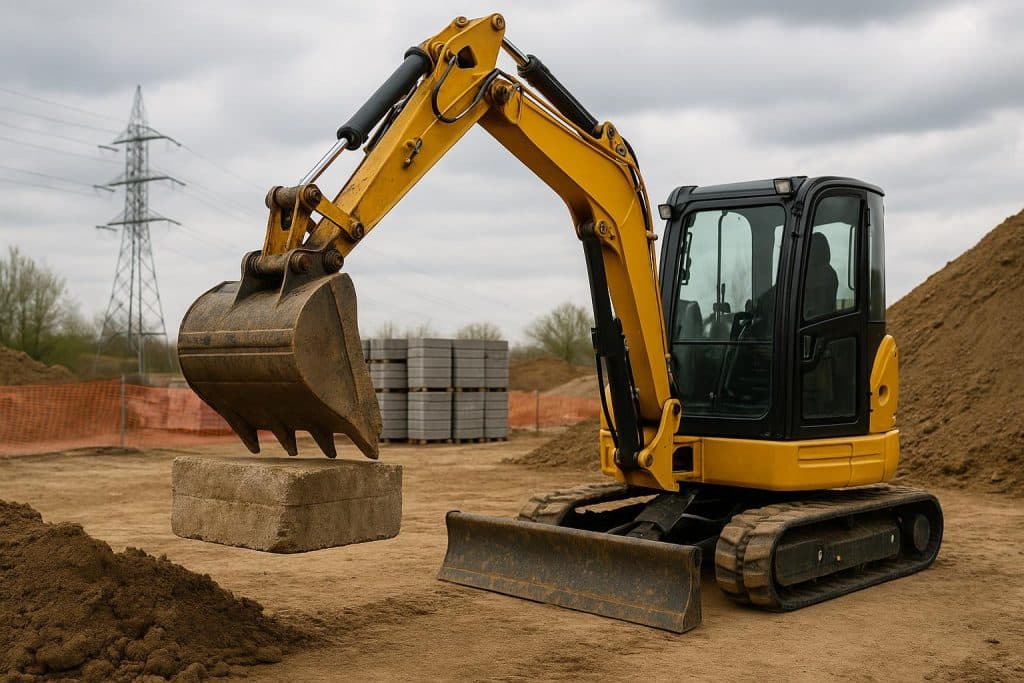
In the bustling world of construction and logistics, heavy lifting is a common necessity. Efficiently moving materials, whether they’re pallets of bricks or rolls of steel, can define the success of a project. However, executing these tasks without the right equipment can result in not just delays but also safety issues. Fortunately, understanding your options and selecting the right lifting equipment can elevate your operations immensely.
Understanding the Power of Forklifts
Forklifts are the workhorses of warehouse and construction environments. They provide the muscle needed to lift and transport heavy goods quickly. With a variety of models and capabilities, the right forklift can save time, reduce manpower, and ultimately lead to a safer worksite.
However, investing in a forklift system is not always an immediate solution for all businesses. Rather than a significant capital expenditure, many organizations have discovered the value of temporary forklift solutions for businesses. Renting or hiring a forklift guarantees access to cutting-edge machinery without the long-term financial commitment. Whether you’re facing a spike in demand or a short-term project, these solutions offer flexibility while ensuring that your operations maintain high efficiency and safety standards.
If you’re interested in exploring these options, Acclaim Handling provides various temporary forklift solutions for businesses that can cater to specific needs and applications. Their expertise and diverse fleet can be invaluable in choosing the right machine for any job.
Types of Forklifts to Consider
When diving into forklift options, it’s crucial to understand the different types and their ideal applications. Here’s a brief overview:
1. Counterbalance Forklifts
These are the most common type. They have weight at the back to balance the load at the front, making them suitable for indoor and outdoor environments. They are versatile and great for basic lifting tasks.
2. Reach Forklifts
Perfect for narrow aisles, reach forklifts can extend their forks forward to reach pallets in hard-to-access spaces. These are particularly beneficial in warehousing scenarios where space is limited.
3. Pallet Jacks
While technically not a forklift, electric pallet jacks provide a low-cost solution for moving pallets over short distances. They are more compact and suitable for smaller spaces.
4. Rough Terrain Forklifts
Equipped with special tires and sturdy frames, these forklifts can handle uneven surfaces, making them essential for construction sites. They enable heavy lifting in challenging outdoor settings.
Selecting the Right Forklift for Your Needs
Choosing the right forklift involves various considerations:
• Weight Capacity: Determine the heaviest loads you will be lifting. This will guide your choice of forklift capacity.
• Work Environment: Assess whether your operations are primarily indoors, outdoors, or a mix of both. This will affect your choice.
• Maneuverability: Consider the layout of your worksite. If space is tight, you may need a smaller, more maneuverable model.
• Duration of Use: How long will you need the forklift? For temporary projects, rentals may be the best route, while longer-term needs may warrant a purchase.
Benefits of Renting Forklifts
In many industries, renting heavy machinery can be a game-changer. Here’s why:
• Cost-Effective: Renting avoids the high upfront costs associated with purchasing equipment. This can free up capital for other operational needs.
• Access to Latest Technology: When you rent, you often have access to newer models equipped with the latest features and safety technologies.
• Maintenance and Repairs: Rental agencies typically handle maintenance and repairs, reducing downtime associated with equipment issues.
• Flexibility: Your needs may vary from month to month, making it easier to adjust your rental agreement based on upcoming projects.
Safety First: Best Practices for Using Forklifts
No matter how advanced the machinery, safety should always be a priority. Forklift accidents can lead to severe injuries and project delays. Here are some best practices:
Training
All operators should undergo thorough training. Understanding the machinery, load limits, and operational protocols helps prevent accidents.
Pre-Operation Checks
Regular inspections before use can catch any potential issues. Check brakes, lights, and forks to ensure everything is functioning correctly.
Load Management
Never exceed the forklift’s rated capacity, and make sure loads are balanced. Operators should understand how to stack and secure items properly.
Maintain Clear Communication
Using hand signals or two-way radios among team members can enhance workplace communication, especially in busy settings.
Conclusion
In the fast-paced worlds of construction and logistics, the need for effective heavy lifting solutions cannot be overstated. Forklifts remain a vital asset, and when the right model is employed, they can dramatically improve workflow and safety.
Whether you’re planning a new project or managing daily operations, understanding the options available—especially in terms of temporary forklift solutions—can make a significant difference in productivity and cost efficiency. If you’re considering short-term lifting solutions, look into Acclaim Handling and their wide array of rentals designed specifically to meet diverse business needs.
The correct equipment, combined with attentive safety practices and expert training, not only contributes to a smoother workflow but also ensures that your workforce operates in a safe environment. The investment in proper lifting solutions today can yield significant returns in efficiency and output tomorrow.