

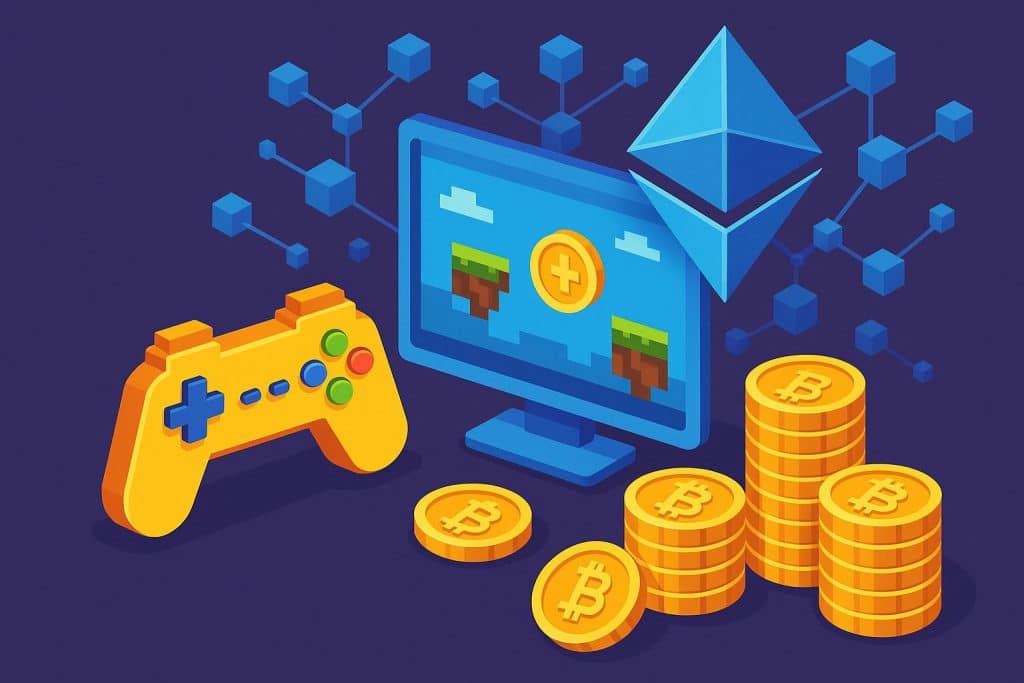
Players around the world are talking about games that pay real money instead of just points. These titles, called play-to-earn (P2E) games, use blockchain to track who earns what, turning spare game time into a small side hustle. When seasoned gamers think of top pokies, they might picture the reliable kiwi casinos known for fast payouts they enjoy in traditional gaming hubs. During high-stakes tournaments, players dream of steady prizes, much like those offered by LuckyGreen when spinning classic slots in the crypto space. Both images help explain why P2E is exploding: people love fun that also fills the wallet. Yet, many newcomers still wonder how digital coins, NFT swords, and virtual land can truly make money. This article walks through the basics, outlines real benefits and risks, and peeks ahead at where blockchain gaming may go next. By the end, even a casual observer will see why this trend matters.
How Play-to-Earn Works
At its core, play-to-earn games use blockchain technology – usually Ethereum, BNB Chain or some other custom network – to connect their in-game economies to public ledgers for storage as transactions. Every sword swing, card trade or farm harvest stored as transactions on this ledger. As ownership can be verified, this reward–often an NFT token–belongs solely to the player, not the publisher. As ownership can be verified, the reward may be traded on an exchange or traded among friends in exchange for other items. Most pay-to-ear (P2E) titles enforce daily limits on how many tokens users can harvest to prevent runaway inflation, with smart contracts automatically enforcing this limit and making cheating almost impossible. Some games even go further by letting players vote on updates through governing tokens; giving the community real representation. In essence, the same tech that secures cryptocurrency also secures players’ hard-earned loot making your virtual prize feel just like cash in your wallet!
Real Benefits and Hidden Risks
Blockchain gaming’s primary appeal may seem obvious: earning while having fun. For college students or workers in developing regions, selling rare skins could cover groceries or tuition expenses. Another perk of blockchain gaming is true digital ownership. If a studio closes down, their items still reside on the chain and can be transferred to fan-made servers. Security, transparency and community governance are among its many positives; yet this model remains imperfect. As with any cryptocurrency, token prices fluctuate drastically; once profitable quests can suddenly pay pennies. Developers must carefully balance scarce rewards against an enjoyable experience; too much grind turns away players while too many coins disrupt an economy. Scams also exist: scammers may launch flashy trailers selling tokens before vanishing after selling them–known as “rug pulling.” Anybody considering pay-to-enter should thoroughly research both team, audit reports and long-term token plans before investing time or cash.
What the Future May Bring
Industry analysts forecast that the next wave of play-to-earn titles will blur the distinction between AAA visuals and crypto rewards, with several big publishers already filing patents for blockchain marketplaces that sit beneath familiar shooters and sports games. Imagine an expansive racing franchise where custom cars double as non-financial assets (NFAs), which can be traded freely on open markets. Wider adoption of layer-2 networks should reduce gas fees significantly and enable microtransactions worth a few cents each way – regulation will play its part here too. Clear tax guidelines and consumer-protection laws could tame dubious projects and draw in mainstream investors, while educators are watching closely; several schools now issue National Futures Testing Certificates as course completion tokens, suggesting gaming wallets may eventually serve as all-purpose digital IDs. But success hinges on fun first; when core gameplay excels, newcomers will join regardless of token value; once entertainment and fair economics align, blockchain gaming could move from trend to staple status.