

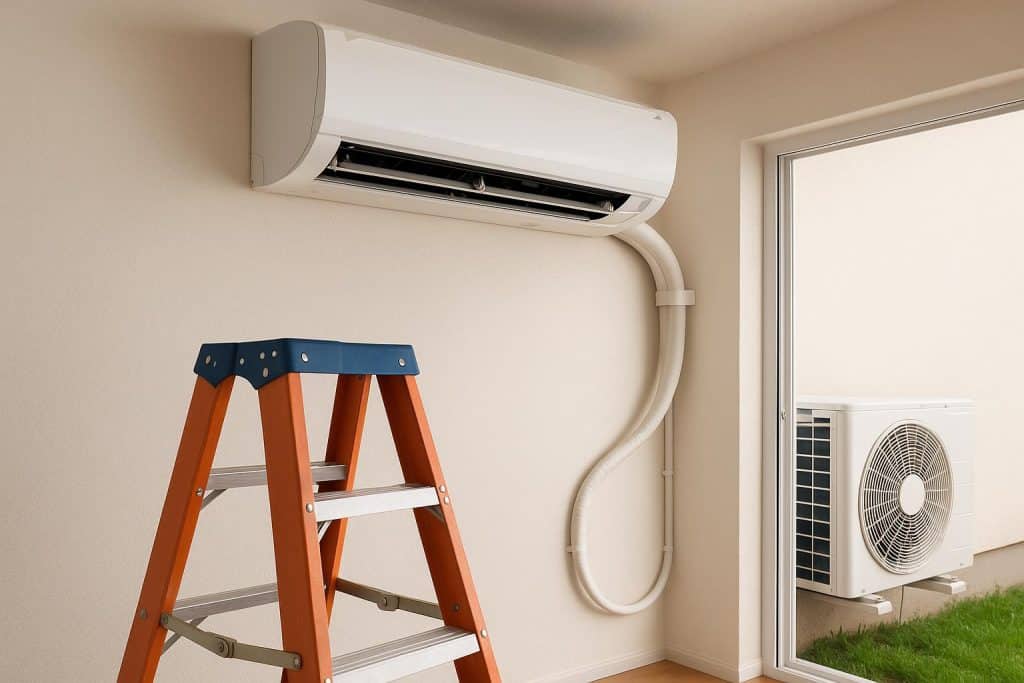
Air conditioning installation is one of the most important investments you can make to ensure long-term comfort, energy efficiency, and reliable cooling. Whether you are installing a system in a new home or replacing an outdated unit, proper installation plays a critical role in how well your air conditioning system performs. A professionally installed AC system delivers consistent temperatures, lower energy costs, and dependable operation for years to come.
What Air Conditioning Installation Involves
Air conditioning installation is more than simply placing a new unit and turning it on. The process begins with evaluating the cooling needs of the space, including square footage, insulation levels, window placement, and existing ductwork. Proper system sizing is essential, as an oversized or undersized unit can lead to poor performance and higher operating costs.
The installation process includes setting the indoor and outdoor units, connecting refrigerant lines, electrical wiring, and drainage systems, and calibrating the thermostat. Once installed, the system is tested to ensure proper airflow, refrigerant levels, and overall performance.
Why Proper AC Installation Matters
Correct air conditioning installation directly impacts system efficiency and longevity. Improper installation can cause airflow restrictions, refrigerant imbalances, and electrical issues that lead to frequent breakdowns. Even high-quality equipment will underperform if not installed correctly.
A properly installed AC system cools the space evenly, maintains consistent humidity levels, and operates at peak efficiency. This reduces energy consumption, minimizes wear on components, and helps prevent costly repairs.
Choosing the Right Air Conditioning System
Selecting the right system is a key step in the air conditioning installation process. Homeowners can choose from central air conditioning systems, ductless mini-splits, heat pumps, and packaged units, depending on their specific needs and property layout.
Factors such as energy efficiency ratings, system capacity, and compatibility with existing ductwork should be carefully considered. High-efficiency systems may have a higher upfront cost but often provide long-term savings through reduced energy bills and improved performance.
Signs It’s Time for a New AC Installation
In some cases, replacing an old system is more cost-effective than continuing to invest in repairs. Frequent breakdowns, rising energy bills, and uneven cooling are common signs that an AC system may be nearing the end of its lifespan.
Older units that rely on outdated refrigerants or lack modern efficiency features often struggle to keep up with cooling demands. Upgrading to a new system through professional air conditioning installation can significantly improve comfort and reduce operating costs.
Professional Air Conditioning Installation vs. Improper Setup
Professional air conditioning installation ensures that all components are installed according to manufacturer specifications and local codes. Licensed technicians have the training and tools needed to handle refrigerants, electrical connections, and system calibration safely and accurately.
Improper installation can void warranties, reduce efficiency, and lead to premature system failure. Professional installers also test the system thoroughly and make adjustments to ensure optimal performance from day one.
Energy Efficiency Benefits of Modern AC Installation
New air conditioning systems are designed with advanced technology that improves energy efficiency and comfort. Features such as variable-speed compressors, smart thermostats, and improved airflow design help reduce energy consumption while maintaining consistent temperatures.
Professional installation ensures these features function as intended, allowing homeowners to take full advantage of energy-saving benefits. Over time, improved efficiency can result in substantial savings on monthly utility bills.
Preparing Your Home for AC Installation
Proper preparation helps ensure a smooth air conditioning installation process. Clearing space around the installation area, ensuring easy access to electrical panels, and addressing any ductwork issues in advance can help reduce installation time and potential complications.
During the planning phase, technicians may recommend duct modifications or insulation improvements to enhance system performance. These adjustments help maximize the effectiveness of the new AC system.
Choosing the Right Air Conditioning Installation Company
Selecting a qualified air conditioning installation provider is essential for long-term satisfaction. Look for licensed and insured professionals with experience installing your chosen system type. Clear estimates, transparent communication, and strong customer reviews are important factors to consider.
A reputable installation company will explain system options, answer questions, and provide guidance on maintenance and operation. This ensures you receive a system that meets your comfort needs and budget.
Conclusion
Air conditioning installation is a crucial step in achieving reliable, efficient cooling for your home or business. By choosing the right system and working with experienced professionals, you can enjoy improved comfort, lower energy costs, and long-lasting performance. Proper air conditioning installation protects your investment and ensures your cooling system delivers dependable comfort for years to come.