

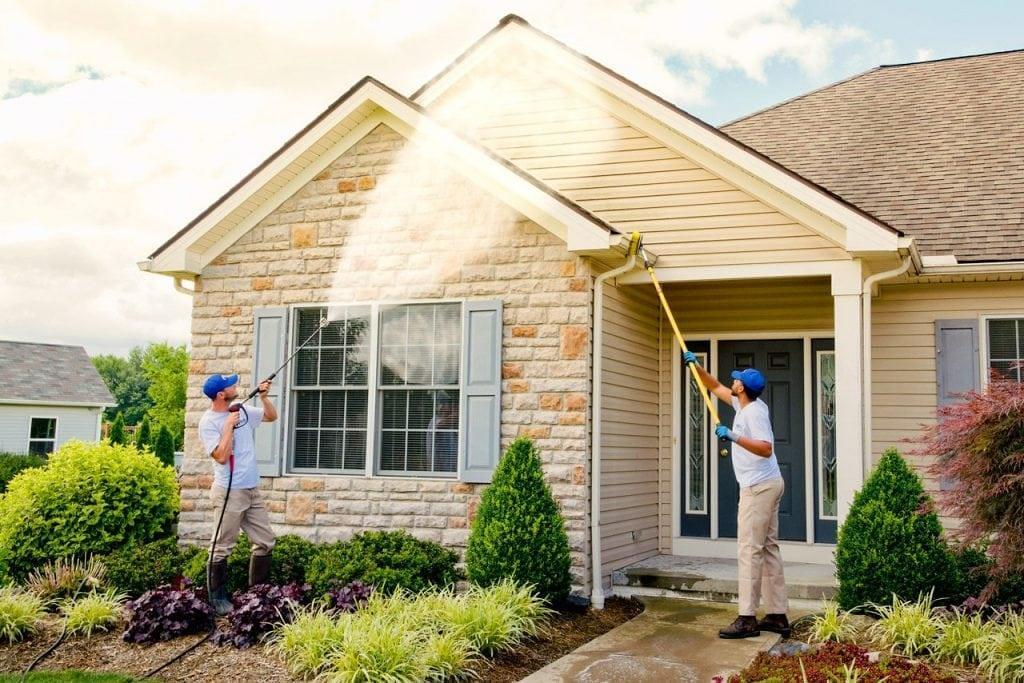
But before you rent a machine and turn your Saturday into a science experiment, let’s talk about the real cost of DIY pressure washing vs. hiring a professional — especially here. where humidity, algae, and salt air don’t mess around. Local companies like Royal Tide Wash deal with these conditions every day, which gives homeowners a clear picture of why professional exterior cleaning exists in the first place.
What DIY Pressure Washing Actually Involves
DIY pressure washing usually starts with good intentions… and ends with sore arms, half-cleaned surfaces, and a new respect for professionals.
Common DIY Expenses
Most homeowners underestimate how much goes into a “simple” wash:
- Renting or purchasing a pressure washer
- Buying detergents or cleaning chemicals
- Fuel or electricity costs
- Safety gear (gloves, eyewear, footwear)
- Time spent learning, testing, and cleaning
In algae and mildew often require stronger solutions or repeated passes, which increases both cost and risk.
A typical DIY job can range from $150 to $400, depending on how many surfaces you’re cleaning — and that’s assuming nothing goes wrong.
Homes Require a Different Approach
The exteriors aren’t built for aggressive pressure.
Between:
- High humidity
- Constant sun exposure
- Coastal salt air
- Delicate roofing and siding materials
Using too much pressure can do more harm than good.
That’s why professionals rely heavily on soft washing, which cleans surfaces using low pressure and specialized solutions designed to remove algae, mold, and mildew without damaging the structure underneath.
DIY pressure washers often lack the control or knowledge needed to clean safely.
The Hidden Cost: Repairs & Re-Cleaning
One of the biggest DIY costs isn’t immediate — it shows up later.
Common issues from improper pressure washing include:
- Stripped paint or coatings
- Etched concrete driveways and walkways
- Water intrusion behind siding or trim
- Damaged roof shingles or tiles
- Dead landscaping from harsh chemicals
Fixing just one of these problems can easily exceed the cost of professional service.
And if surfaces aren’t cleaned properly the first time, algae and mildew return faster — meaning you’ll be doing it all over again.
What You’re Really Paying for With a Professional
Professional pressure washing isn’t about “spraying harder.”
It’s about:
- Knowing which surfaces need soft washing vs pressure
- Using the correct cleaning solutions for growth
- Preventing long-term damage
- Protecting your home’s curb appeal and value
Professionals clean deeper, safer, and more evenly, resulting in a finish that lasts longer — especially climate.
Time Matters More Than You Think
For many homeowners, weekends are limited.
DIY pressure washing means:
- Equipment pickup and return
- Setup and testing
- Cleaning under the sun
- Cleanup afterward
Professional service means:
- One appointment
- One visit
- No physical effort
- No guesswork
Sometimes the smartest savings is protecting your time.
Which Option Is Actually More Cost-Effective?
Let’s be honest:
DIY pressure washing
- Looks cheaper upfront
- Higher risk
- Shorter-lasting results
- Greater chance of costly mistakes
Professional pressure washing
- Safer for homes
- More thorough
- Longer-lasting results
- Better protection for your property
When you factor in repairs, time, and longevity, professional service often ends up being the better long-term investment.
DIY pressure washing isn’t wrong — it’s just not always the best choice, especially. where exterior surfaces face year-round environmental stress.
If your goal is:
- Protecting your home
- Avoiding unnecessary repairs
- Getting results that last
Professional pressure washing simply makes more sense.
Your home deserves more than guesswork.