

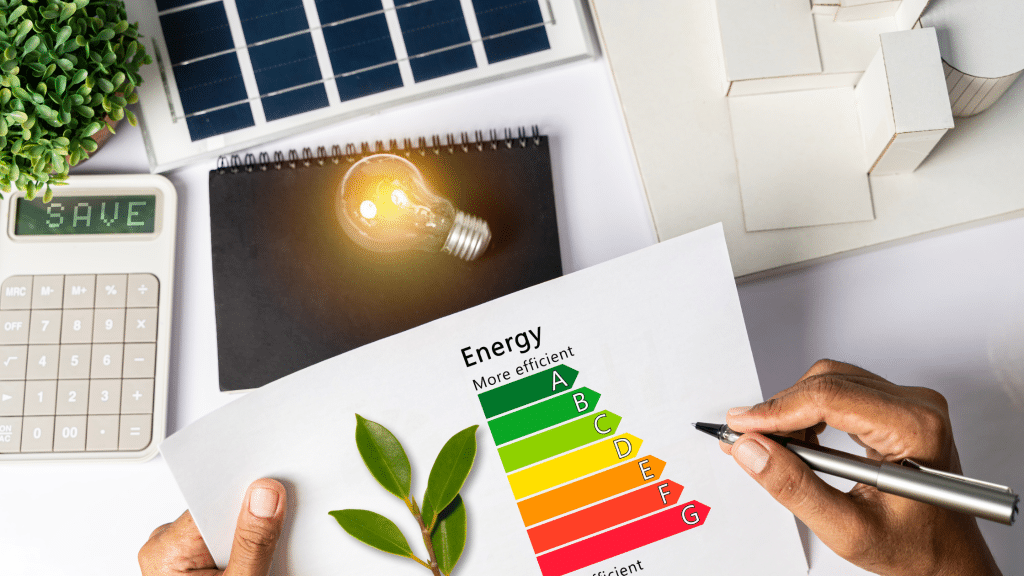
Why Comfort and Efficiency Go Hand in Hand
Comfort and energy efficiency are closely connected. A home that wastes energy often has uneven temperatures, drafts, and humidity problems. Rooms may feel too cold in winter or too warm in summer, even when the heating or cooling system is running. Home energy audits highlight the causes of these issues, helping homeowners improve comfort while also lowering energy use. When a house is well-balanced, it requires less effort to maintain a pleasant indoor environment.
Identifying Air Leaks and Drafts
One of the most common findings during a home energy audit is air leakage. Small gaps around doors, windows, attics, and basements allow conditioned air to escape and outside air to enter. These leaks force heating and cooling systems to work harder, which raises energy costs and reduces comfort. Audits use tools like blower door tests to locate these problem areas. Sealing leaks helps maintain steady indoor temperatures and prevents unwanted drafts.
Improving Insulation for Better Temperature Control
Insulation plays a major role in keeping a home comfortable. During an audit, professionals check insulation levels in walls, ceilings, and floors to see if they meet current standards. Poor or uneven insulation can cause hot and cold spots throughout the house. By improving insulation, homeowners can keep warm air inside during winter and block heat during summer. Better insulation also reduces noise and makes rooms feel more stable and comfortable.
Optimising Heating and Cooling Systems
Heating and cooling systems are often the largest energy users in a home. A home energy audit evaluates whether these systems are the right size, properly maintained, and working efficiently. Older or poorly maintained units may consume more energy than necessary while delivering uneven results. Audits can also reveal issues with ductwork, such as leaks or poor airflow. Addressing these problems helps systems run more smoothly and improves comfort in every room.
Addressing Humidity and Indoor Air Quality
Comfort is not just about temperature. Humidity and air quality also affect how a home feels. High humidity can make rooms feel sticky and uncomfortable, while low humidity can cause dryness and irritation. Home energy audits assess ventilation and moisture control to ensure proper air circulation. Improving these factors leads to fresher air, fewer odours, and a healthier living environment.
Evaluating Windows and Doors
Windows and doors are common sources of energy loss. Audits examine their condition, seals, and overall performance. Single-pane or poorly sealed windows can let heat escape in winter and enter in summer. While replacing windows may not always be necessary, simple upgrades like weatherstripping or adding window coverings can make a noticeable difference. Improving these areas helps maintain indoor comfort and reduces reliance on heating and cooling systems.
Enhancing Lighting and Appliance Efficiency
Energy audits also review lighting and appliances to identify opportunities for savings. Older appliances and inefficient lighting consume more power and generate extra heat. Switching to energy-efficient models and LED lighting reduces electricity use and lowers heat buildup in the home. These changes may seem small, but together they contribute to better efficiency and a more comfortable indoor environment.
Creating a Prioritised Improvement Plan
One of the biggest benefits of a home energy audit is the clear action plan it provides. Instead of guessing where to invest, homeowners receive specific recommendations based on their home’s needs. This plan often ranks improvements by impact and cost, making it easier to budget and schedule upgrades. A focused approach ensures that changes deliver the best return in comfort and efficiency.
Long-Term Savings and Lifestyle Benefits
While the immediate goal may be improved comfort, the long-term benefits of a home energy audit are significant. Lower energy bills, reduced wear on heating and cooling systems, and fewer maintenance issues all add up over time. A more efficient home is also quieter, healthier, and more enjoyable to live in. These improvements enhance daily life and can increase the overall value of the property.
Environmental Impact and Responsible Living
Energy efficiency also supports environmental responsibility. When homes use less energy, they reduce greenhouse gas emissions and lessen demand on energy resources. Home energy audits help homeowners understand their impact and take practical steps to reduce it. This approach aligns comfort and efficiency with a more sustainable lifestyle.
Why Regular Energy Audits Matter
Homes change over time, and so do energy needs. Renovations, aging systems, and lifestyle changes can affect energy performance. Scheduling periodic home energy audits ensures that efficiency improvements remain effective. Regular assessments help homeowners stay ahead of problems and maintain a comfortable living space year-round.
Final Thoughts on Comfort Through Efficiency
Home energy audits provide valuable insight into how a house truly performs. By identifying inefficiencies and guiding targeted improvements, they help homeowners create a space that feels comfortable in every season. The result is a home that uses energy wisely, supports healthy living, and delivers consistent comfort without unnecessary costs.