

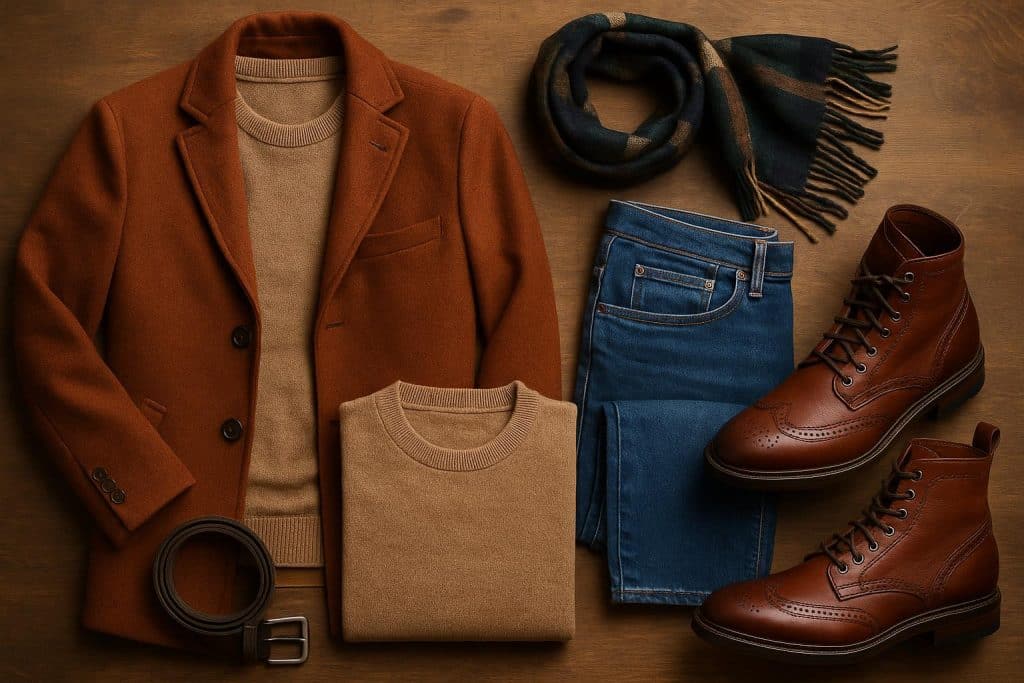
The arrival of autumn brings a specific kind of shift. It’s more than just a drop in temperature or the shorter days. Honestly, it’s a change in the way we move through the world. For many men, fall represents the best opportunity to dress with intention. The light summer fabrics get tucked away, replaced by textures that have weight, history, and a sense of permanence.
Have you ever noticed how your mood changes when you finally pull that heavy coat out of storage? There is a comfort in it. It is like seeing an old friend.
Dressing for this season isn’t about following every fleeting trend. It’s about building a wardrobe that feels as solid as the ground beneath you.
The Foundation of Layering
Layering is the most practical aspect of fall style, but it’s also where the most creativity is expressed. The goal is to create a look that works just as well in a heated office as it does during a crisp evening walk. You will want to start with a high-quality base. A simple cotton t-shirt or a lightweight Henley serves as the first layer. From there, you add the insulation.
But how do you layer without feeling like you’re wearing a costume? I guess it is all about balance.
A flannel shirt is a classic choice for a reason. It offers warmth without being overly bulky. When you are choosing a flannel, look for patterns that feel timeless. Deep greens, rich burgundies, and earthy browns mirror the changing landscape outside. You can wear it open over a shirt for a casual look or buttoned up when the wind picks up.
Over the flannel, a denim jacket or a wool chore coat adds the necessary structure. These outer layers are meant to take a beating. They develop character over time, much like a good pair of leather boots. Speaking of footwear, many men reach for their Timberland boots during this time because they offer that rugged reliability that fall demands.
The key is to ensure every layer serves a purpose.
Textures That Tell a Story
Fall is the season of touch. While summer is dominated by flat linens and thin cottons, autumn is defined by corduroy, wool, and heavy denim. These fabrics do more than just keep you warm. They add visual depth to an outfit.
Corduroy pants have made a big comeback lately, and for good reason. They provide a tactile element that jeans simply cannot match. A pair of slim-fit corduroys in a tan or olive shade can elevate a simple sweater into something that feels curated.
And then there is the wool.
Whether it is a chunky cable knit sweater or a refined turtleneck, wool provides a level of sophistication. It breathes well while retaining heat. A grey wool overcoat is perhaps the most versatile piece a man can own. It fits over a suit just as easily as it fits over a hoodie, bridging the gap between formal and casual with ease. Maybe it is the hum of the laptop at midnight while you are planning your week, but wearing something sturdy just makes you feel more productive.
The Autumn Color Palette
The colors of fall are borrowed directly from nature. This is the time to lean into muted, earthy tones. Bright, neon colors often feel out of place against the backdrop of falling leaves and grey skies.
Instead, focus on olive green, navy blue, burnt orange, and chocolate brown. These colors are incredibly easy to mix and match. You can pair an olive jacket with navy chinos and know they will work together perfectly. Using these tones allows you to play with different pieces without worrying about clashing.
So, why not experiment with a color you usually avoid?
Neutral colors like charcoal and camel also play a huge role. A camel colored topcoat is a statement piece that remains subtle. It adds a touch of brightness to a dark outfit without being loud. The goal is to look cohesive and grounded. And that is the point. It shouldn’t look like you tried too hard.
Footwear and Accessories
Your choice of shoes sets the tone for the entire outfit. Fall requires footwear that can handle unpredictable weather. Leather boots are the standard. They protect your feet from the damp ground while providing a sturdy silhouette. Whether you prefer a sleek Chelsea boot or a more rugged lace-up style, quality matters.
Good leather tells a story.
Accessories should be functional. A scarf isn’t just a style choice; it is a necessity when the frost starts to show. Opt for wool or cashmere blends in solid colors. A beanie can also be a great addition, especially in a ribbed knit.
Belts and watches should follow the same rules as the rest of the wardrobe. Leather straps and sturdy buckles fit the aesthetic. Avoid anything too shiny or plastic. This season is about materials that feel real and substantial.
Finding Your Personal Style
Ultimately, fall fashion is about comfort and confidence. It is about finding the pieces that make you feel like the best version of yourself. You don’t need a closet full of clothes to look good. You just need a few well-chosen items that you can rely on year after year.
Take the time to look at what you already own. Maybe that old leather jacket just needs a bit of conditioning. Perhaps those jeans are finally reaching that perfect level of fade.
What story does your favorite jacket tell?
Style is a personal journey, and autumn is the perfect time to reflect on what works for you. When you step outside and feel that first real chill in the air, you should feel prepared. Not just because you are warm, but because your clothes reflect the season and your own personality. It is a time for transition, for gathering, and for dressing with a sense of purpose.