

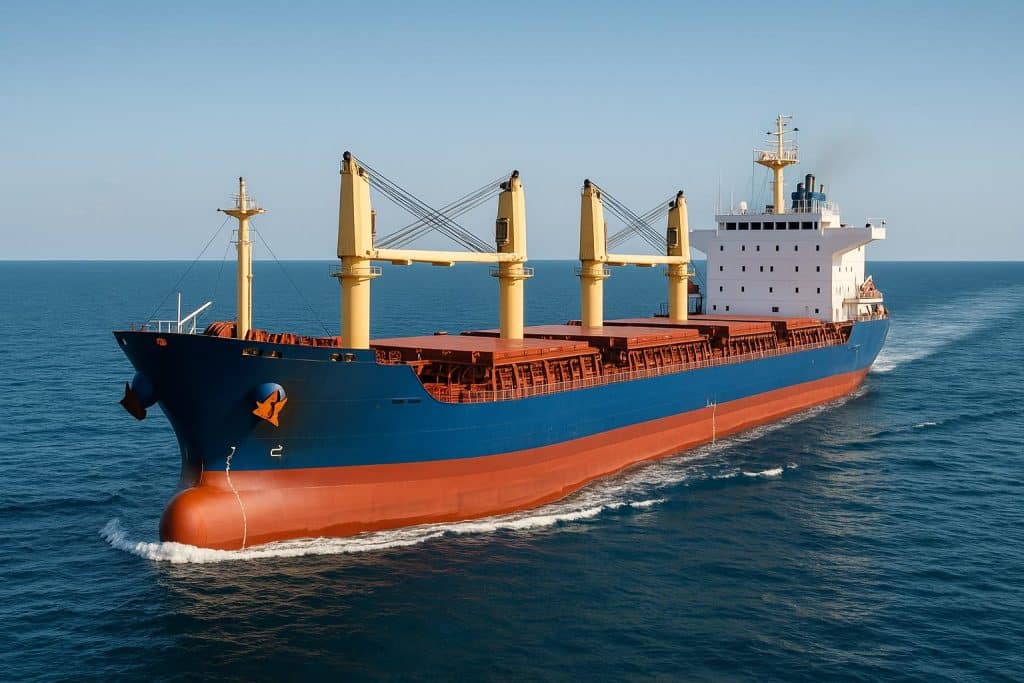
When your business faces the challenge of moving oversized cargo, bulk materials, or time-sensitive shipments that simply won’t fit into standard container schedules, the anxiety of finding the right shipping solution can be overwhelming. Will standard freight services accommodate your unique requirements? How do you ensure your valuable cargo arrives safely and on time? These are the pressing concerns that keep logistics managers awake at night, especially when dealing with project cargo, heavy machinery, or specialized commodities that demand more than conventional shipping methods can offer.
Chartering a dedicated vessel represents one of the most flexible and powerful solutions in modern maritime logistics. Unlike traditional container shipping where your cargo shares space with numerous other shipments, a chartered vessel provides exclusive capacity tailored to your specific requirements. Whether you’re transporting wind turbine components to a remote installation site, moving agricultural products during peak harvest season, or relocating industrial equipment for a major construction project, understanding the intricacies of vessel chartering can transform your supply chain efficiency and give you unparalleled control over your maritime operations.
Understanding the Fundamentals of Vessel Chartering
Vessel chartering involves contracting an entire ship or a significant portion of its capacity for a specific period or voyage. This arrangement differs fundamentally from booking cargo space on regularly scheduled liner services. When you charter a vessel, you gain control over routing, scheduling, and loading procedures, allowing you to optimize every aspect of the transportation process according to your business needs.
The maritime industry recognizes several distinct types of charter arrangements, each designed to address different operational requirements and business models. The choice between these options depends on factors including cargo type, voyage duration, frequency of shipments, and your company’s desire to control operational aspects of the vessel. Professional vessel chartering services can help navigate these options and identify the most cost-effective solution for your specific situation.
The complexity of chartering decisions extends beyond simply finding available tonnage. Market conditions, seasonal demand fluctuations, fuel prices, port congestion, and geopolitical factors all influence charter rates and vessel availability. Successful charterers develop relationships with shipowners and brokers, maintain awareness of market trends, and plan their shipping needs well in advance to secure favorable terms and reliable tonnage when required.
Key considerations when evaluating charter options include:
- Cargo specifications: Volume, weight, dimensions, and special handling requirements
- Timeline requirements: Loading dates, transit duration, and delivery deadlines
- Route complexity: Number of loading and discharge ports, geographical restrictions
- Vessel specifications: Size, crane capacity, deck strength, and specialized equipment needs
- Budget constraints: Available capital for freight costs and potential demurrage charges
Types of Charter Agreements and Their Applications
Voyage charter represents the most straightforward chartering arrangement, where a shipowner agrees to transport cargo from one port to another for an agreed price per ton or as a lump sum. This arrangement works particularly well for one-time shipments or irregular cargo movements. The shipowner retains responsibility for all vessel operating costs including fuel, port charges, and crew wages, while the charterer pays only the agreed freight rate plus any additional charges for loading delays or special services.
Time charter arrangements involve hiring a vessel for a specified period, typically measured in months or years. Under this agreement, the charterer gains operational control of the vessel, directing where it sails and what cargo it carries, while the shipowner continues managing the crew and maintaining the vessel’s seaworthiness. Time charters suit businesses with regular shipping needs who want scheduling flexibility without the capital investment and operational complexity of vessel ownership.
Bareboat charter, also known as demise charter, transfers nearly complete control of the vessel to the charterer, who assumes responsibility for crewing, maintenance, insurance, and all operational costs. This arrangement essentially provides the benefits of vessel ownership without the capital outlay required to purchase a ship. Bareboat charters typically run for extended periods and appeal to companies with substantial, ongoing maritime transportation needs and the expertise to manage vessel operations independently.
| Charter Type | Duration | Charterer Responsibilities | Ideal For |
|---|---|---|---|
| Voyage Charter | Single voyage | Cargo, loading/unloading costs | One-time shipments, spot market needs |
| Time Charter | Months to years | Fuel, port charges, cargo operations | Regular shipping requirements, seasonal trades |
| Bareboat Charter | Years to decades | All operational costs, crew, maintenance | Long-term capacity needs, near-ownership control |
| Contract of Affreightment | Multiple voyages | Cargo provision, coordination | Recurring shipments with flexible scheduling |
The Financial Landscape of Ship Chartering
Charter rates fluctuate constantly based on global supply and demand dynamics in the shipping market. The Baltic Exchange publishes daily indices tracking rates for various vessel types and routes, providing transparency into market conditions. Understanding these rate mechanisms helps charterers negotiate effectively and time their shipping requirements to capitalize on favorable market conditions when possible.
Beyond the base charter rate, numerous additional costs can significantly impact total transportation expenses. Demurrage charges accrue when loading or unloading operations exceed the agreed laytime, essentially compensating shipowners for delays that prevent their vessels from moving to the next engagement. Conversely, dispatch money may be paid to charterers who complete cargo operations ahead of schedule, incentivizing efficiency. Port charges, canal fees, bunker adjustment factors, and war risk premiums represent other potential cost elements that require careful consideration when budgeting for chartered transportation.
The concept of laytime—the period allowed for loading and discharging cargo—plays a crucial role in voyage charter economics. Charter parties specify laytime in various ways: as a fixed number of days, as a rate per ton of cargo, or using terms like “fast as can” that depend on port and vessel capabilities. Misunderstanding laytime provisions can lead to unexpected costs, making it essential to negotiate clear terms and plan cargo operations meticulously to avoid demurrage charges that can sometimes exceed the original freight cost.
Selecting the Right Vessel for Your Cargo
Vessel selection extends far beyond simply finding a ship large enough to accommodate your cargo volume. Different vessel types suit different cargo categories, and matching your requirements to vessel capabilities determines operational success. Bulk carriers transport unpacked dry cargo like grain, coal, or ore in large holds. General cargo vessels feature onboard cranes and tweendecks suitable for packaged goods, machinery, and project cargo. Specialized vessels like heavy-lift ships, multipurpose vessels, and ro-ro (roll-on/roll-off) carriers serve niche markets with unique equipment and capabilities.
Technical specifications deserve thorough evaluation when selecting a vessel. Cargo hold dimensions determine whether your cargo physically fits, but equally important are considerations like hatch sizes for loading oversized items, deck strength for heavy cargo, securing points for lashing, and the availability of specialized equipment such as heavy-lift cranes or temperature control systems. Port restrictions at loading and discharge locations may limit vessel size, requiring attention to draft limitations, length overall, and beam measurements.
Critical vessel selection criteria include:
- Deadweight tonnage: Total carrying capacity including cargo, fuel, and stores
- Cubic capacity: Available volume for cargo with different stowage factors
- Crane capacity: Lifting capability for self-loading/discharging operations
- Age and condition: Impacts reliability, fuel efficiency, and port acceptance
- Flag state and classification: Affects regulatory compliance and insurance requirements
- Speed capabilities: Influences transit time and fuel consumption
Navigating Charter Party Agreements
The charter party serves as the contract governing the relationship between shipowner and charterer, establishing rights, obligations, and liabilities for both parties. Standard charter party forms developed by industry organizations like BIMCO provide tested frameworks covering most common scenarios, though parties frequently negotiate additional clauses addressing specific requirements or concerns. Understanding these legal documents proves essential, as they determine responsibility for costs, liability for cargo damage, procedures for resolving disputes, and countless other operational details.
Common charter party clauses address issues including safe port warranties, where charterers guarantee nominated ports can be entered and used safely by the vessel; exceptions and limitations of liability that define circumstances under which parties are excused from performance obligations; and lien clauses that grant shipowners security rights over cargo for unpaid freight. The devil truly resides in the details of these agreements, and seemingly minor provisions can have major financial implications if circumstances require invoking them.
Dispute resolution mechanisms outlined in charter parties typically include arbitration clauses specifying jurisdiction and procedures for settling disagreements. London and New York arbitration remain popular choices for international shipping disputes, offering experienced maritime arbitrators and well-established legal frameworks. Understanding these provisions before disputes arise allows parties to assess risks realistically and, ideally, structure their operations to minimize potential conflicts.
Strategic Advantages of Chartering Vessels
Flexibility represents perhaps the most compelling advantage of vessel chartering. When standard shipping schedules don’t align with your production cycles or delivery requirements, chartered vessels operate according to your timeline. This scheduling autonomy proves particularly valuable for project cargo moving to remote locations, seasonal agricultural exports requiring capacity during harvest periods, or emergency shipments responding to supply chain disruptions.
Cost efficiency emerges when shipping large volumes that would otherwise require booking space across multiple container vessels. Consolidating cargo onto a single chartered vessel eliminates the complexity of coordinating multiple shipments, reduces handling costs associated with container stuffing and stripping, and can deliver significant savings on a per-ton basis for high-volume movements. The break-even point where chartering becomes economically advantageous depends on specific circumstances, but generally occurs with several thousand tons of cargo or when specialized handling requirements make containerization impractical.
Direct point-to-point service eliminates transshipment, reducing cargo handling, minimizing damage risk, and shortening total transit times. Container cargo often moves through multiple hubs, being unloaded and reloaded several times during its journey. Each handling event creates opportunities for damage, loss, or delay. Chartered vessels typically load at origin and discharge at destination without intermediate handling, preserving cargo condition and providing greater certainty around delivery timing. This directness particularly benefits fragile cargo, temperature-sensitive products, or shipments subject to tight project schedules where delays cascade into costly downstream impacts.
Managing Risks in Charter Operations
Cargo insurance assumes critical importance in chartered shipments, protecting against financial losses from physical damage, theft, or loss during maritime transport. While shipowners carry insurance covering vessel-related liabilities, this typically doesn’t extend to cargo value. Charterers should secure comprehensive marine cargo insurance covering the full replacement value plus anticipated profit margins, ensuring financial protection regardless of how damage occurs or who bears legal liability under the charter party.
Vetting vessel quality before committing to a charter protects against operational problems and potential casualties. Reputable charterers inspect vessels before finalizing agreements, reviewing maintenance records, examining safety management systems, and verifying compliance with international conventions. Vessels with poor maintenance histories, safety violations, or port state control detentions pose risks of mechanical breakdowns, delays, or even cargo casualties that can devastate project timelines and budgets.
Market volatility introduces financial risk, particularly for time charters extending over months or years. Charter rates fluctuate with supply and demand, meaning a rate that seems reasonable when negotiated might become expensive if market rates subsequently decline, or conversely, might prove a bargain if rates increase. Some charterers use financial instruments to hedge rate exposure, while others maintain flexibility through shorter charter periods or options for early termination, accepting slightly higher rates in exchange for reduced commitment risk.
Working with Shipbrokers and Charter Services
Shipbrokers serve as intermediaries connecting charterers with vessel owners, leveraging market knowledge, industry relationships, and negotiating expertise to arrange suitable transportation. Experienced brokers understand current market conditions, know which vessels are available and where they’re positioned, and can quickly identify options matching specific requirements. For companies without dedicated chartering departments, brokers provide invaluable access to the vessel market and expertise navigating complex charter negotiations.
Brokers typically earn commission as a percentage of the charter hire, paid by the shipowner but ultimately reflected in the rate quoted to charterers. This commission structure aligns broker incentives with closing deals, though reputable brokers build long-term relationships by finding genuinely suitable solutions rather than simply pushing any available vessel. Establishing relationships with multiple brokers provides access to different networks and market perspectives, helping ensure comprehensive coverage of available options.
Integrated freight forwarding companies offering charter services combine vessel procurement with complementary logistics services including cargo consolidation, documentation, customs clearance, and inland transportation. This comprehensive approach simplifies coordination for charterers, providing a single point of contact managing all transportation elements. The convenience comes with potentially higher costs compared to dealing directly with shipowners, but the time savings and reduced complexity often justify the premium, particularly for companies chartering vessels occasionally rather than as a core business activity.
Environmental Considerations in Modern Ship Chartering
Sustainability concerns increasingly influence vessel chartering decisions as companies face regulatory requirements and stakeholder pressure to reduce carbon footprints. The International Maritime Organization’s regulations limiting sulfur emissions, improving energy efficiency, and ultimately transitioning toward carbon neutrality affect vessel operations and costs. Charterers specifying modern, fuel-efficient vessels demonstrate environmental responsibility while potentially reducing bunker costs through lower fuel consumption.
Vessel efficiency ratings like the Energy Efficiency Design Index provide comparable metrics for assessing environmental performance across different vessels. Ships with better EEDI ratings consume less fuel per ton-mile of cargo transported, reducing both emissions and operating costs. As carbon pricing mechanisms expand and environmental regulations tighten, these efficiency differences will increasingly impact charter economics, making vessel environmental performance a commercial consideration beyond pure sustainability motivation.
Alternative fuels and propulsion technologies represent the frontier of maritime decarbonization, with vessels powered by LNG, methanol, hydrogen, and batteries entering service. While availability remains limited and costs often exceed conventional vessels, forward-thinking charterers are beginning to specify these technologies, driving market development and positioning themselves ahead of future regulatory requirements. The transition toward zero-emission shipping will fundamentally reshape the charter market over coming decades, creating both challenges and opportunities for early adopters.