


If you’re a parent, you’ve probably had that moment of realization. Your kid is on their tablet, happily watching videos or playing games, and it suddenly hits you: who else is watching? What data is being collected? Where does all this information about your child actually go? These aren’t paranoid questions anymore—they’re the kind of things every modern parent needs to be asking.
It’s a creepy thought, and it’s one that more parents are finally confronting head-on. The days of handing over a device and hoping for the best are fading. Families are getting smarter about digital safety—and it goes way beyond just setting screen time limits or blocking inappropriate content. The real concerns run much deeper.
We’re living in an era where children start using connected devices before they can read. By the time they’re teenagers, they’ve already generated years of data about their preferences, behaviors, locations, and habits. That digital footprint starts earlier than most parents realize, and once it exists, it’s nearly impossible to erase.
What’s Actually Being Collected
Kids’ apps are notorious for aggressive data collection. Even games marketed to young children often track location, device identifiers, browsing behavior, and more. That data gets sold to advertisers who then target your kids with eerily specific ads. Some of it ends up in databases that will follow your child for years, potentially affecting everything from the ads they see to the opportunities they’re offered.
And it’s not just apps. Every website they visit, every YouTube video they watch, every search they type—it all gets logged somewhere. Algorithms build profiles based on this information, making predictions about your child’s interests, personality, and potential purchasing behavior. By the time your kid is a teenager, there’s already a detailed digital profile of their interests, habits, and behaviors that they never consented to creating.
Studies have shown that many popular children’s apps share data with dozens of third-party companies. A single gaming app might be sending information to advertising networks, analytics companies, and data brokers—all without any meaningful disclosure that parents would actually understand. The privacy policies exist, technically, but they’re written in dense legal language that nobody reads.
The Wi-Fi Problem Parents Overlook
Home networks are one thing, but kids don’t just use devices at home. They’re on tablets at restaurants, phones at friends’ houses, laptops at the library, gaming devices at hotels during family vacations. Every one of those connections is a potential vulnerability—especially the public ones that offer no protection whatsoever.
Public Wi-Fi networks are essentially open doors. Anyone with basic technical knowledge can intercept traffic on these networks, potentially capturing passwords, messages, and other sensitive information. Kids are especially vulnerable because they tend to connect to any available network without thinking twice. They see free Wi-Fi and they connect—it’s that simple.
Smart parents are starting to treat network security the same way they treat physical safety. You wouldn’t let your kid wander around a sketchy neighborhood alone, so why let them browse unprotected on a random coffee shop’s Wi-Fi? The risks might be less visible, but they’re just as real. Installing a VPN from the App Store on the family iPad takes two minutes and encrypts everything—so even if the network is compromised, your kid’s data stays private and protected from prying eyes.
Teaching Digital Hygiene Early
The parents who are ahead of the curve aren’t just installing protective tools—they’re having conversations. They’re explaining to their kids why privacy matters, what happens to data when it gets collected, and how to make smarter choices online. It’s becoming part of the parenting toolkit, right alongside teaching them to look both ways before crossing the street or not talking to strangers.
Kids are surprisingly receptive when you explain things in terms they understand. “This app is telling strangers where you are” clicks pretty fast. “Companies are building a file about everything you like” sounds as creepy to a ten-year-old as it does to an adult. Children have a natural sense of fairness, and when they understand that their information is being taken and used without their real permission, they often get it immediately.
Age-appropriate conversations about privacy can start surprisingly young. Even kindergarteners can understand basic concepts like “some information is private” and “not everyone needs to know everything about you.” As kids get older, the conversations can get more sophisticated, covering topics like data permanence, online reputation, and the business models that drive “free” apps and services.
Affordable Protection for the Whole Family
One of the biggest shifts in the past couple years is how accessible these tools have become. You don’t need to be tech-savvy or wealthy to protect your family’s devices. Privacy tools that once required technical knowledge to configure now work with a single tap. The barrier to entry has essentially disappeared.
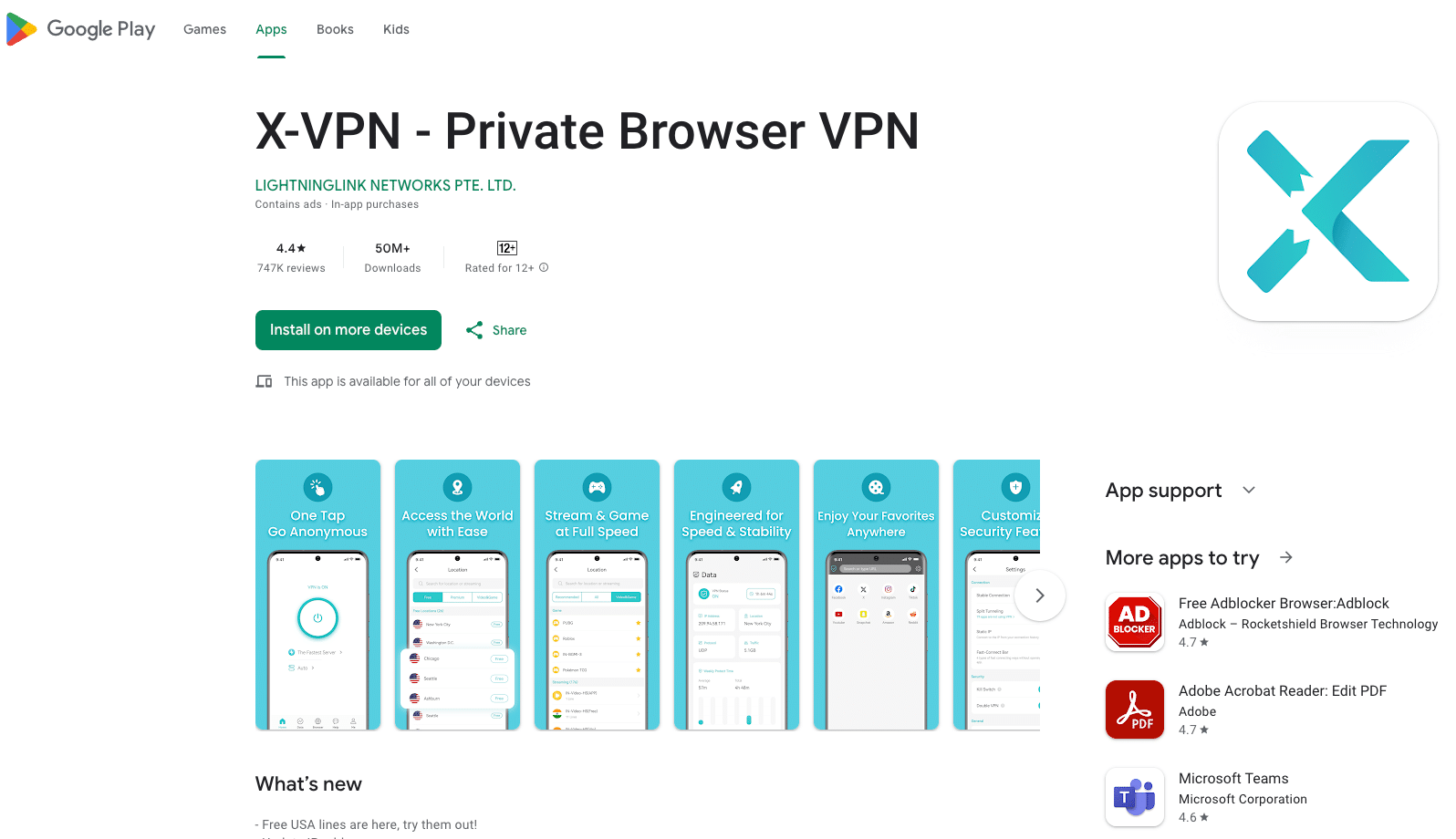
Android users can download a free VPN such as X-VPN app from the Google Play Store and set it up in under a minute. Same with iPhones and iPads. The whole family can be protected without adding another subscription to the already overwhelming pile of monthly expenses. For families watching their budgets, this accessibility makes a real difference.
Some families set it as a rule: the privacy app goes on before you connect to any Wi-Fi outside the house. It becomes automatic, like buckling a seatbelt. Kids don’t argue about seatbelts because they’ve always done it—the same principle applies here. And once kids get used to it, they start doing it on their own—building habits that’ll serve them well for the rest of their digital lives.
Practical Steps Every Parent Can Take
Beyond encryption tools, there are other straightforward steps that make a difference. Review the apps on your kids’ devices and delete anything that isn’t actively used—every app is a potential data collection point. Check privacy settings on the apps that remain, and turn off location access for anything that doesn’t genuinely need it. Does a puzzle game really need to know where your child is? Probably not.
Create separate accounts for kids on shared devices, with appropriate restrictions enabled. Use family sharing features that let you approve app downloads before they happen. Consider using a privacy-focused browser instead of the default option. Small changes add up to meaningful protection.
Most importantly, stay engaged. The digital landscape changes constantly, and what’s safe today might not be tomorrow. Following trusted sources for digital parenting advice helps you stay current without having to become a security expert yourself.
It’s Not About Fear
The goal isn’t to scare kids away from technology—that ship has sailed, and honestly, the digital world offers incredible opportunities for learning, creativity, and connection. Trying to keep kids offline entirely isn’t realistic and probably isn’t even desirable. The internet has genuinely valuable resources for education and social development.
It’s about teaching them to navigate it safely and thoughtfully, just like we teach them to navigate the physical world. We don’t keep kids inside forever because cars exist—we teach them how to cross the street safely. The same philosophy applies to digital life.
Parents who grew up before smartphones had to figure out internet safety on their own, often the hard way through trial and error. This generation of kids has a chance to learn good habits from the start, with parents who actually understand the risks and can guide them appropriately. That’s not paranoid parenting. In 2026, it’s just responsible parenting—preparing kids for the world they’re actually going to live in.
The conversation about kids and technology often focuses on screen time and content. Those things matter, but privacy deserves equal attention. The data being collected about your children today will exist for decades. Taking steps now to minimize that footprint and teach good habits is one of the most forward-thinking things a parent can do.