

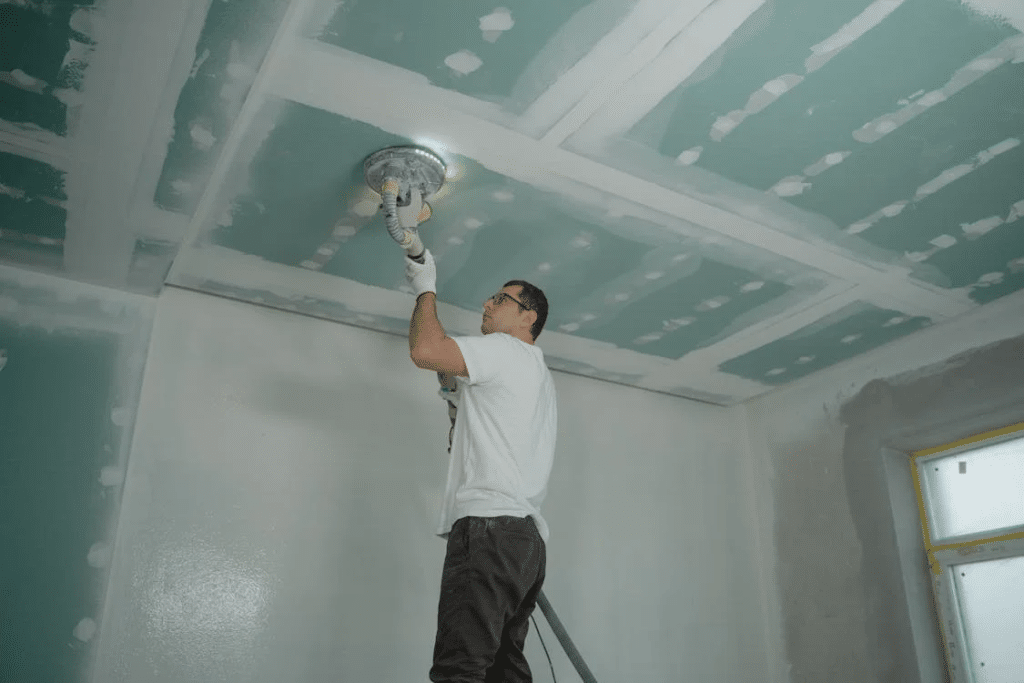
Ever think your Memphis home just needs “a few upgrades,” and suddenly you’re knee-deep in drywall, permit applications, and one YouTube tutorial away from calling it quits? With housing prices still riding the wave of the pandemic surge and supply chain delays becoming a recurring nightmare, the idea of improving your current space instead of buying new feels smart—until it isn’t. In this blog, we will share what you need to know before starting home improvements.
Know Your Endgame Before You Knock Down a Wall
People rarely wake up and decide to gut their kitchen out of nowhere. Usually, it starts with something small—maybe a leaky faucet or outdated tile—and then spirals into a vision board of butcher block counters and matte black fixtures. But before you reach for the sledgehammer, it helps to understand what you’re really aiming for. Are you trying to boost resale value? Make room for a growing family? Prep for remote work life that’s clearly not going away?
Intent shapes everything. It determines how much you spend, how long you can tolerate a living room full of sawdust, and how much you’re willing to compromise. Remodeling for your own comfort gives you more freedom to choose finishes you like, even if they’re not trendy. Remodeling to sell means thinking about what the market wants, not what you want. And remodeling because you’re stuck between two options—move or improve—may also require help from a moving company in Memphis if you decide tearing down walls isn’t worth the chaos after all.
Budget also plays into that intent. Rising labor costs and inflated material prices have made it nearly impossible to stick to traditional remodeling budgets. People used to follow the 5-15% rule—spending 5-15% of a home’s value on improvements—but that was before lumber prices skyrocketed and electricians started booking six months out. Now, a modest kitchen reno can stretch beyond what used to qualify as high-end, especially if you run into issues like lead paint, mold, or electrical work that hasn’t been touched since the 70s.
Permits Aren’t Just Paperwork—They’re Red Flags in Disguise
You might think permits are just one more bureaucratic step in an already stressful process. But the truth is, if your project requires one, that’s your first sign it’s serious. Most cities don’t require permits for cosmetic work like painting or flooring, but once you move walls, rewire anything, or mess with plumbing, expect to file paperwork. And while it may seem like a hassle, permit requirements force you to slow down and think about what you’re actually doing.
Unpermitted work might seem like a shortcut—until you try to sell your home and the buyer’s inspection uncovers a bathroom addition that no one signed off on. At best, you’ll need to backtrack and fix things to code. At worst, you’ll eat the cost of tearing it out altogether.
Permits also protect you from bad contractors. Any licensed professional worth hiring should already know what permits are needed for the job. If they’re pushing you to skip it or offering a lower price “under the table,” that’s not a discount—it’s a warning.
And speaking of contractors, don’t just go by online reviews. Ask about their recent jobs, request references, and make sure they’ve worked in your city, not just your general region. Building codes vary by area, and a contractor who’s brilliant in theory but unfamiliar with local regulations could drag your project into overtime fast.
Think in Systems, Not Just Spaces
It’s easy to get fixated on aesthetics. You might spend hours choosing the perfect tile but completely ignore your home’s HVAC system. The best home improvements make the house feel better to live in, not just look better. That means thinking about how everything connects—how new insulation might affect energy bills, or how updating the kitchen lighting might require a panel upgrade.
Older homes, especially, hide systems that are fragile, outdated, or one plumbing emergency away from wrecking your budget. Before you pour money into visible upgrades, get an inspection on the bones of the house. Structural issues, roofing, foundation cracks, and water drainage are the kind of things no one brags about on Instagram but make all the difference between a house that’s livable and one that’s constantly in crisis.
Energy efficiency upgrades are also worth considering. Adding insulation, replacing old windows, or installing energy-efficient appliances might not be flashy, but they pay off long term. Federal tax credits are back on the table for some of these improvements, thanks to recent legislation aimed at promoting greener homes. And with utility costs climbing, cutting energy waste has become less of a nice-to-have and more of a necessity.
Home Improvements Are Emotional, Not Just Logistical
This part doesn’t get talked about enough, but it’s real. Renovating your home—even for good reasons—can bring up more stress than expected. It’s hard to live in chaos, to watch your savings shrink, and to make endless decisions that all seem permanent. It’s also hard when family members have different visions of how things should look or when unexpected costs derail a dream layout.
Home improvement tests your decision-making stamina. The faucet you loved last week suddenly feels wrong. You second-guess your cabinet color at midnight. You wonder if it was all worth it just to have a walk-in shower. These moments are normal. Everyone thinks they’re losing it halfway through.
And yet, something changes when it’s all done. There’s a satisfaction in walking through a space you helped design, one that fits your life better than it did before. Even if the journey was messy, the end result often reshapes how you experience home. Not just as shelter, but as something you actively shaped. Something that works better for how you live now, not how someone else imagined it decades ago.
Home improvement projects promise transformation, but they require more than good taste and a Pinterest board. They demand foresight, patience, and a clear sense of purpose. As housing costs rise and supply chains strain, improving your home instead of buying new might make more sense than ever—but only if you know what you’re stepping into. The reward isn’t just in better cabinets or smarter layouts. It’s in the lived-in feeling of a space that truly reflects how you move through the world.