

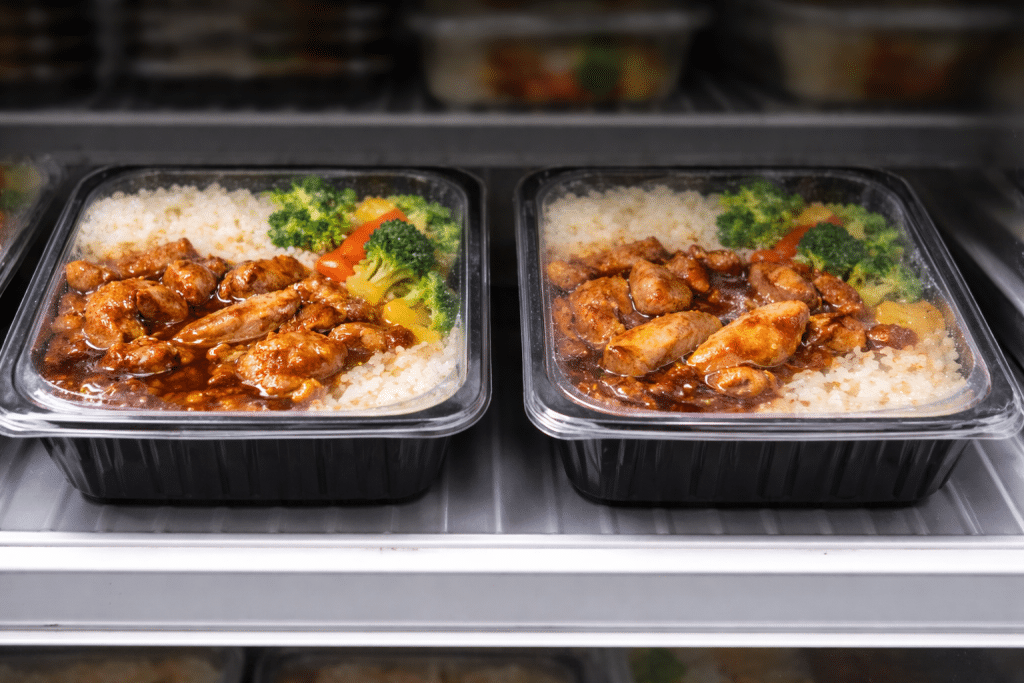
Spend a few minutes in front of the refrigerated aisle at a grocery store and you’ll start to notice it. Two ready meals can look nearly identical — similar ingredients, similar packaging, similar price tags — yet one seems to hold up much better than the other.
You might not think about it until something goes wrong. A package leaks in your bag. The food looks dull or discolored when you open it. Or a meal spoils sooner than the date on the label suggests. When that happens, most people feel a mix of frustration and doubt. Was the food mishandled? Was it poor quality to begin with?
Often, the answer has little to do with the recipe. The real difference is usually the packaging — specifically, how well and how consistently the food was sealed long before it reached the store.
As ready meals become a regular part of everyday eating, packaging has quietly grown into one of the most important forces shaping freshness, waste, and even food prices. It’s something consumers rarely see, but experience almost every time they open their fridge.
Packaging as Food Infrastructure
We tend to think of packaging as just a container — a tray, a lid, a label. But in reality, it works more like infrastructure. It protects food from air and moisture, keeps it safe from contamination, and allows it to travel through warehouses, delivery trucks, cold storage rooms, and store shelves.
When packaging isn’t consistent, small problems can turn into bigger ones. A weak seal might let oxygen in and speed up spoilage. Moisture escaping from one meal can affect others nearby. Tiny defects can shorten shelf life just enough to trigger markdowns, returns, or food being thrown away.
These issues rarely appear all at once. Instead, they add up quietly, one compromised package at a time.
For retailers and producers, that means more waste and less predictable inventory. For shoppers, it shows up as higher prices, shorter shelf life, or meals that don’t quite live up to expectations.
Why the Seal Matters More Than the Tray
When people think about food packaging, they usually focus on the tray itself — its size, shape, or material. But in many cases, it’s the seal that makes the biggest difference.
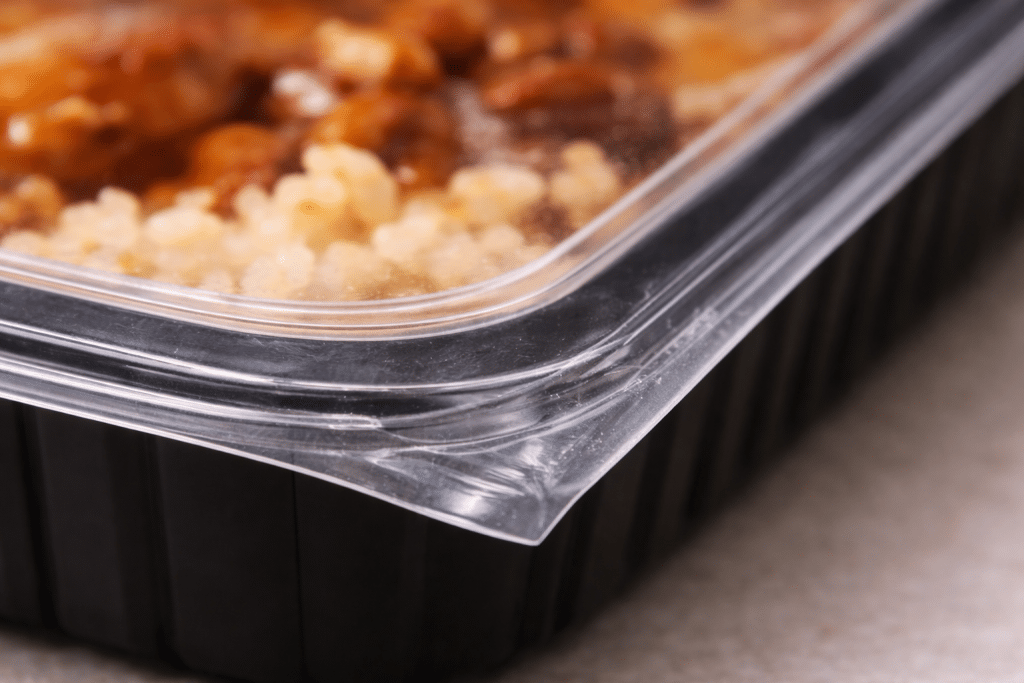
A good seal keeps oxygen out, holds the internal atmosphere steady, and prevents leaks during transport. Doing that once is easy. Doing it thousands of times a day, exactly the same way, is much harder.
That level of consistency is why forming and sealing processes in large food facilities are increasingly automated. Systems that form trays from roll-stock and seal them in one continuous process—such as modern
thermoforming-based packaging systems—help reduce the small variations that can lead to leaks or early spoilage.
Most consumers never see this process, but they recognize the result. A package that looks clean, tight, and undisturbed simply feels more trustworthy before it’s ever opened.
The Ready-Meal Boom Raised the Stakes
As ready meals have grown in popularity, packaging has had to work harder. These products often combine sauces, proteins, vegetables, and grains — ingredients that all react differently to air, moisture, and temperature.
Ready meals also tend to travel farther than many fresh foods. They move through long supply chains and spend days or weeks in refrigeration before reaching a kitchen. Throughout that journey, packaging is the main thing standing between the food and spoilage.
Because of this, producers increasingly think about packaging as part of the product itself, not just the final step. In categories involving fresh and prepared proteins, selecting an appropriate
packaging approach for meat products
often plays a critical role in maintaining color, texture, and shelf life from processing plant to retail shelf.
When packaging performs well, food lasts longer and less food is wasted. When it doesn’t, the consequences ripple outward — through higher prices, more discarded food, and less confidence from shoppers scanning the shelves.
The Sustainability Trade-Off Most Shoppers Never See
Packaging also sits at the center of a difficult environmental balancing act. Many consumers want less plastic. Regulators push for recyclable materials. But food safety and shelf life still matter.
If packaging becomes lighter but less reliable, more food ends up being thrown away — and wasted food carries its own environmental cost. That’s why much of the progress in this area focuses on optimization rather than elimination: using less material while improving seal quality and overall performance.
These trade-offs rarely appear on labels. But they shape how long food stays fresh, how much gets wasted, and how efficiently the food system works behind the scenes.
Where This Information Comes From
For journalists and researchers trying to understand how food systems operate, much of this knowledge comes from publicly available industry resources. Packaging manufacturers and suppliers publish explanations of sealing methods, production workflows, and common challenges in food processing.
Materials from companies such as utien.com, for example, outline commonly used forming and sealing methods that help explain how everyday foods are handled at scale — even if consumers never encounter the equipment involved.
That kind of transparency becomes more important as ready meals make up a larger share of modern diets.
Packaging and Trust
Most people don’t think about packaging when everything goes right. But they notice immediately when something goes wrong — when a package leaks, spoils early, or looks unappealing on the shelf.
As convenience foods shift from occasional shortcuts to everyday staples, the systems that protect them matter more than ever. Packaging influences food safety, waste, sustainability, and trust — quietly shaping the experience long before a meal is heated.
The technology behind ready-meal and meat packaging may stay out of sight, but its impact shows up every time food lasts longer, travels safely, and meets expectations at the table.