

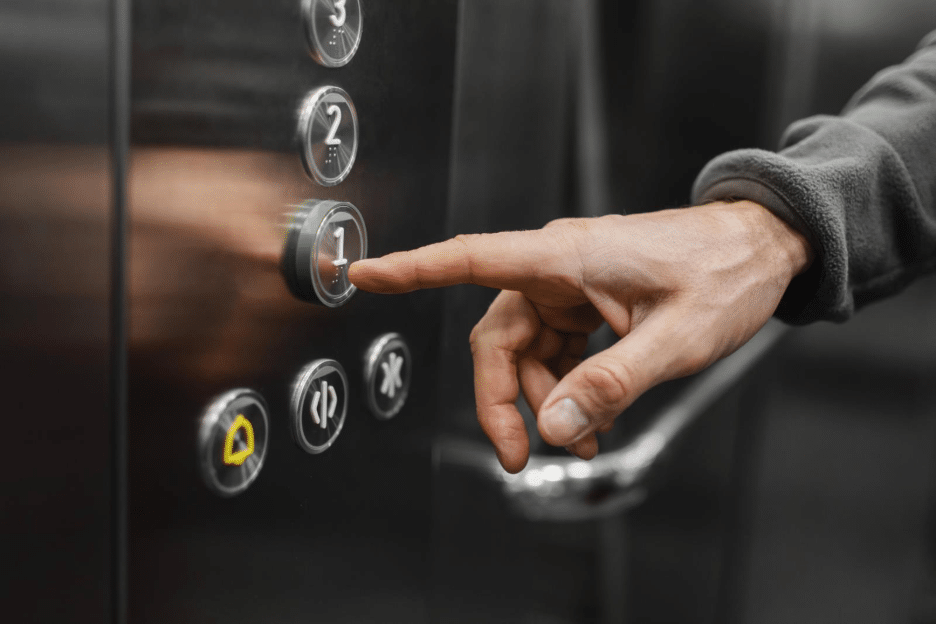
The continuing technological change has transformed countless sectors and continuously shifted customer motivations. In the elevator market, users now expect cleaner performance, always looking forward to the next technical model that elevates their ride. With these constantly changing mindsets, most companies craft and commission cutting-edge, tech-maximized, meticulously engineered elevators.
Elevator connectivity is a core method for meeting these modern consumer shifts. Through a blend of cloud connectivity, telemetric tracking, and machine-learning monitoring, elevators remain continuously connected, enabling constant oversight, moment-to-moment diagnostics.
What does elevator connectivity offer?
Elevator connectivity ensures elevators perform optimally. Elevator connectivity helps monitor their performance and operations at all times, thereby enabling traffic in these elevators to be easily regulated. Moreover, the repair and upgradation of connected elevators can be scheduled as needed to ensure that users are not disturbed.
Connectivity of elevators aims at providing elevators with:
- Interactive technology
When elevators are connected, it highlights that they have the latest technology integrated. This means that such elevators will also offer customer interaction. This interactivity is made possible through touchscreen displays, mobile access, and voice commands. These interactive technologies can be used to access, operate, and control elevators at all times.
- Security features
Elevator connectivity also ensures that elevators have effective security features. Some security features, such as emergency response systems, fire alarms, and call buttons, are provided in connected elevators. This is done to ensure immediate help is available in the event of an accident. Moreover, connected elevators can be accessed only by authorized users. Therefore, the safety of all elevators is improved.
- Predictive maintenance
Elevator connectivity also enables predictive maintenance. Connected elevators are monitored in real time, so elevator operators have information on elevator usage, peak traffic hours, and idle times. Real-time monitoring also helps identify whether the elevators are experiencing any operational issues. Further, this data can be used to schedule elevator repairs or upgrades with the least disruption. This also means that the elevators are repaired only when needed, so there is no unnecessary cost involved in elevator maintenance.
- Destination control
Elevator connectivity also enables destination control. Connected elevators use technologies that can recognize users' destinations. This helps to regulate the movement of the elevators accordingly. In turn, this results in elevators operating more efficiently, with lower idle and wait times.
- Eco-friendly operation
When elevators are connected, their traffic and usage patterns can be monitored in real-time. This information can be used to optimize elevator usage and shut them down during idle time, so these machines operate more efficiently. This further helps to lower the carbon footprint and make the elevators more sustainable.
- Informed decision-making
Connected elevators help elevator administrators make better decisions. This is because elevator connectivity provides administrators with information to regulate traffic, optimize performance, and track repairs.
To sum it up
As buildings become smarter and more connected, elevator connectivity is shifting from a choice to a core requirement. It offers one of the cleanest, smartest ways to monitor elevator performance in real time. These connected systems combine collaborative interfaces and stronger security, transforming vertical travel into a tech-driven system that continuously adapts to users.
Real-time data from both commercial and residential elevators gives administrators the tools to create smoother user experiences. For owners, managers, and everyday passengers, connected elevators represent the future of vertical mobility, where safety, speed, sustainability, and satisfaction converge through continuous connectivity.