

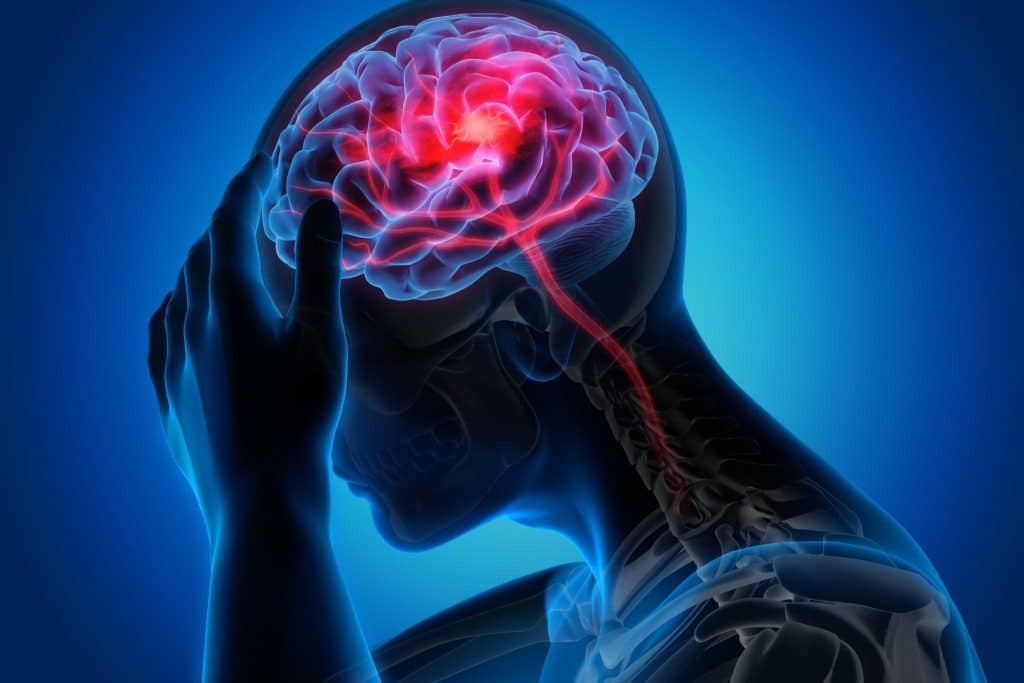
Some injuries demand attention the moment they happen. Others stay quiet and slowly change how a person thinks, reacts, and moves through daily life. Brain injuries often fall into the second group, which is exactly why they are missed so often after accidents.
There is a strong expectation that serious injuries must look serious. If someone can walk, speak clearly, and return home the same day, people assume recovery is already underway. That belief causes many brain injuries to go unnoticed, delayed, or misunderstood.
This blog explains why brain injuries are frequently overlooked after accidents and why paying attention early can prevent long-term complications.
Brain Injuries Do Not Always Show Immediate or Visible Signs
Traumatic brain injury (TBI) is different from most physical injuries because they affect how the brain functions rather than how the body looks. The absence of visible damage makes these injuries easier to dismiss in the early stages.
Many Symptoms Appear Later
After an accident, the body goes into survival mode. Adrenaline helps people stay alert and active, but it also hides pain and discomfort. As the body settles, symptoms may begin to appear gradually. Headaches may become more frequent, focus may feel weaker, and memory may not work as smoothly as before.
Because these changes happen slowly, many people assume they are normal reactions to stress or exhaustion. By the time the symptoms feel serious, the connection to the accident may already feel unclear.
People Often Look Fine After an Accident
A person with a brain injury may look completely normal during conversations and daily activities. There are no casts, bandages, or visible signs that signal something is wrong. This leads others to expect a quick return to normal routines at work and at home.
That expectation can pressure injured individuals to ignore their symptoms and push through discomfort. Over time, this delay can make recovery more difficult and extend the impact of the injury.
The Problem With Calling Brain Injuries Mild
Words influence how injuries are treated. When a brain injury is described as mild, it often leads people to believe that it will heal quickly without lasting effects.
Concussions Are Commonly Downplayed
Concussions are frequently treated as short-term problems that resolve with brief rest. Many people are advised to return to their regular routine within days, even if symptoms have not fully resolved. When problems continue, they may be dismissed as unrelated or exaggerated.
This response creates confusion for injured individuals who know something feels different but struggle to explain it clearly.
Long-Term Effects are Often Missed
Even injuries labeled as mild can affect concentration, emotional control, and mental stamina. Tasks that once felt easy may require more effort, and stress may feel harder to manage. These changes do not always appear dramatic, but they can affect daily life in meaningful ways.
Because the effects are subtle, they are often overlooked by others and underestimated by the injured person.
Why Medical Testing and Insurance Do Not Tell the Full Story
Medical tests and insurance reviews are important, but they do not always capture the full reality of a brain injury.
Scans Do Not Always Detect Brain Injuries
CT scans and MRIs are useful tools, but they do not show every type of brain damage. Many brain injuries affect how the brain works rather than how it appears on an image. A normal scan does not always mean the brain is functioning normally.
When test results do not match symptoms, concerns may be minimized or delayed. Follow-up care may become inconsistent, which can slow recovery.
Insurance Companies Often Question These Claims
Insurance claims rely on documentation and clear timelines. When symptoms appear days or weeks after an accident, insurers may question whether the injury is related. Claims involving brain injuries are often challenged because they lack visible proof.
This can lead to pressure to settle early, before the full impact of the injury is understood. Once a claim is resolved, addressing long-term effects becomes far more difficult.
The Real Impact of an Overlooked Brain Injury
When a brain injury is overlooked, its effects often appear gradually across different areas of life. Work performance may change first. Concentration becomes harder, productivity drops, and simple tasks take longer than they used to.
At home, emotional balance may feel different. Irritability, fatigue, or withdrawal can strain relationships. Family members may notice changes but struggle to understand their cause. Over time, these challenges can affect confidence, independence, and overall quality of life.
These effects may not seem dramatic at first, but they tend to persist when the injury is not properly addressed.
Why Early Medical and Legal Guidance Matters
Early attention plays a key role in protecting both health and stability after an accident. Seeking medical care when symptoms appear creates a clearer record of how the injury develops over time.
Important early steps include paying attention to subtle changes, following up when symptoms continue, keeping records of medical visits and daily challenges, and avoiding rushed decisions about claims or settlements. These actions help ensure the injury is understood fully rather than minimized.
Legal guidance helps connect medical findings with real-life impact. Experienced professionals understand how brain injuries are often underestimated and know how to present evidence that reflects the full scope of the injury.
Conclusion
Brain injuries are often overlooked because they do not fit common expectations of what an injury should look like. They are quiet, gradual, and easy to dismiss, yet their effects can last far longer than expected.
If symptoms linger or daily life feels different after an accident, those changes deserve attention. Seeking proper care and support for a traumatic brain injury (TBI) is a practical step toward protecting long-term health and stability.