

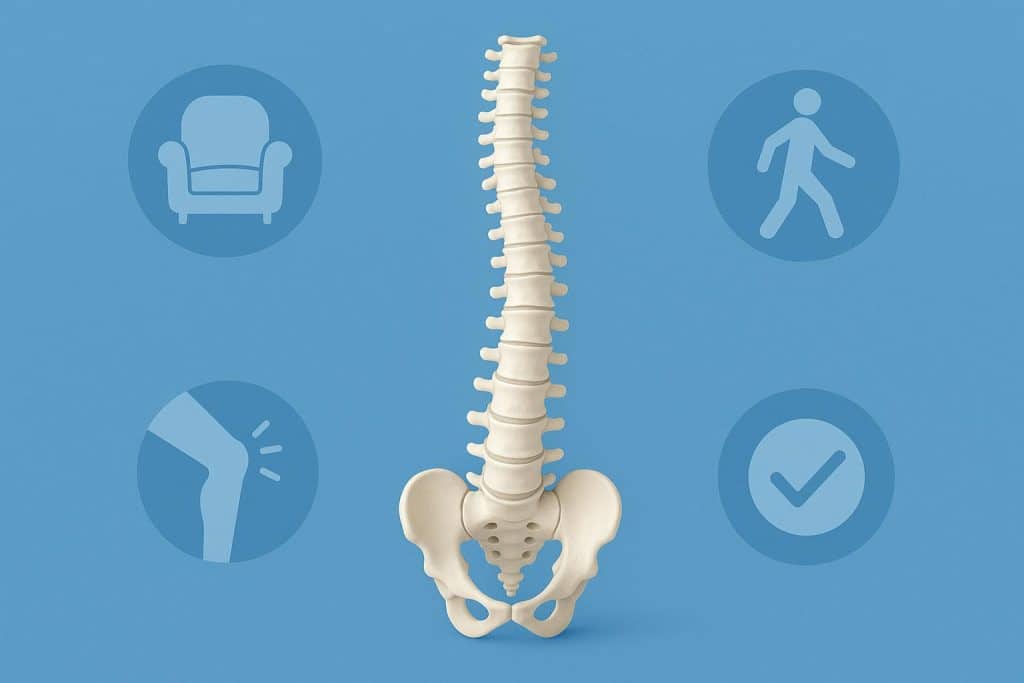
The spine plays a central role in nearly every movement the body makes. From standing and walking to sitting and sleeping, spinal health directly affects posture, balance, and overall physical comfort. Despite its importance, spinal care is often neglected until pain or stiffness becomes difficult to ignore. Understanding the value of proactive spinal care helps support long-term mobility and quality of life.
1. The Spine as the Body’s Structural Foundation
The spine provides structural support while protecting the spinal cord, which connects the brain to the rest of the body. Proper spinal alignment allows muscles and joints to function efficiently, reducing unnecessary strain during daily activities. When alignment is compromised, even simple movements can become uncomfortable and exhausting.
Maintaining spinal health is essential not only for movement but also for supporting nerve function and overall physical coordination.
2. Daily Habits That Influence Spinal Health
Everyday routines significantly affect the spine. Prolonged sitting, poor posture, repetitive bending, and inadequate movement place continuous stress on spinal structures. Over time, these habits may contribute to muscle imbalance, disc strain, and reduced spinal flexibility.
Awareness of posture and movement patterns helps minimise stress on the spine and supports long-term spinal stability.
3. Early Signs of Spinal Strain and Discomfort
Spinal issues often begin with subtle symptoms such as stiffness, reduced mobility, or recurring back and neck discomfort. These early signs are sometimes dismissed as temporary fatigue, but they may indicate developing spinal conditions.
Early assessment at a professional spine clinic allows potential problems to be identified before they progress. Timely evaluation often leads to more effective and less invasive management options.
4. The Role of Preventive Spine Care
Preventive spinal care focuses on maintaining alignment, flexibility, and strength. Regular movement, posture correction, and early intervention play a key role in preventing chronic spinal conditions. Preventive strategies help reduce strain on spinal discs and surrounding muscles, supporting long-term comfort.
This proactive approach enables individuals to continue daily activities without recurring spinal pain or limitation.
5. How Professional Spine Care Supports Long-Term Mobility
Professional spine care combines clinical assessment with tailored management strategies. Access to advanced diagnostic tools and experienced specialists ensures accurate identification of spinal issues and appropriate treatment planning.
Visiting an orthopaedic and spine clinic Singapore provides comprehensive care that addresses both orthopaedic and spinal concerns, supporting long-term mobility and physical wellbeing.
6. Spine Health and Active Lifestyles
An active lifestyle depends heavily on a healthy spine. Whether engaging in exercise, work-related physical tasks, or leisure activities, spinal stability and flexibility are essential. Proper spinal care supports safe movement and reduces the risk of injury during physical activity.
Guided care helps individuals stay active while protecting the spine from unnecessary strain.
7. Making Spinal Health a Lifelong Priority
Spinal health should be viewed as a lifelong investment rather than a reaction to pain. Consistent awareness, healthy movement habits, and timely professional support contribute to lasting comfort and mobility.
By prioritising spinal care and seeking expert guidance when needed, individuals can maintain physical independence and enjoy a more active, pain-free lifestyle.