

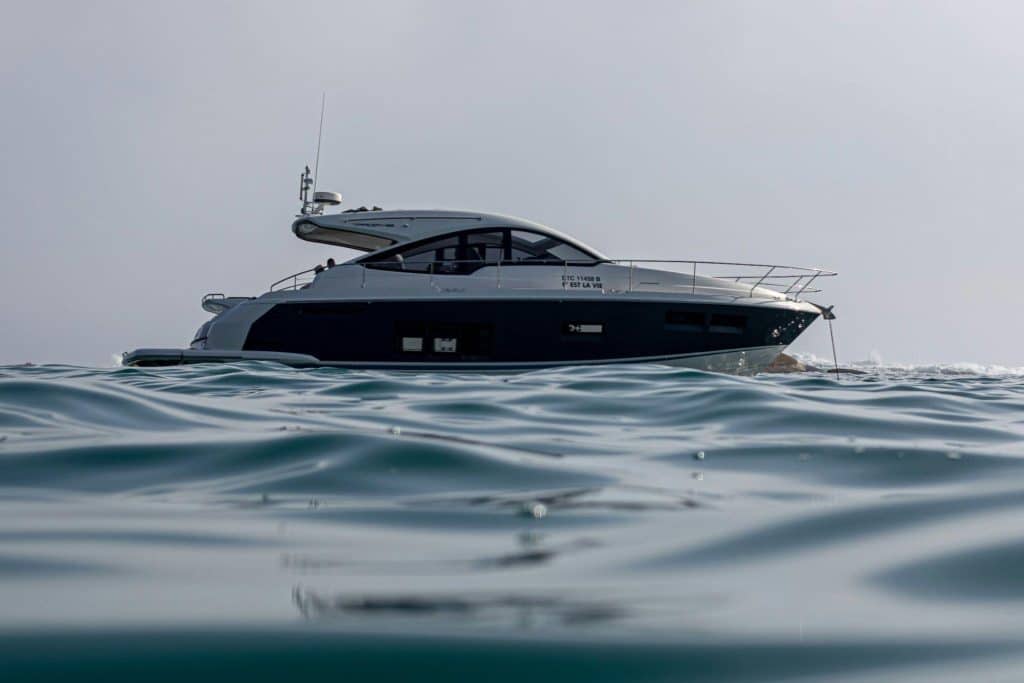
Travel by water rarely fits modern expectations. It is not fast, not loud, and not designed for constant stimulation. Boats and yachts move through space in a way that resists urgency. They do not conquer distance; they negotiate with it. This difference is subtle but powerful. The voyage by sea transforms the way progress is quantified, and the focus is established. What would seem to be merely a surface is really having an undercarriage.
A boat is not a transport, but a system
A boat is often described as a vehicle, yet it behaves more like a system with its own rules. Space is limited. Resources are counted. Weather holds authority. These conditions quietly reorganize behavior. Movements slow down. Decisions become deliberate. Nothing feels automatic.
Unlike travel on land, where infrastructure hides effort, boating makes every action visible. Anchoring requires care. Navigation requires trust. Even resting feels intentional. This is why boats create focus without instruction. The environment itself does the work.
It becomes clear how places connected to water reflect this mindset. boothstown marina fits into this idea not as a luxury destination, but as an example of practical calm. The kind of harbor admired is the one appreciated due to its usefulness, security, and rhythm, and not spectacle. They are not destinations that one would admire, but destinations where one works. That honesty gives them character.
The slow intelligence of water travel
Water travel introduces a different kind of thinking. There are no shortcuts across open water. Routes depend on wind, depth, and patience. Speed is possible, but rarely rewarded. The result is a quiet mental shift. Time stops feeling compressed and starts feeling shaped.
This change explains why many people return to boats after their first experience. Not for excitement, but for clarity. The mind adapts to the pace of the vessel, and distractions fall away naturally.
Some patterns tend to appear again and again:
- Small routines become grounding
- Silence gains texture rather than emptiness
- Attention shifts from outcome to process
- Arrival feels earned, not instant
These effects are not planned. They emerge simply by moving with water instead of against it.
Yachting beyond excess
Modern yachting is often presented through size and shine, but that is only one version of the story. A quieter approach is gaining strength. Smaller boats, shared access, and shorter trips bring the focus back to experience rather than display. Platforms like GetBoat support this shift by lowering barriers and emphasizing use over ownership.
In this regard, a yacht is no longer about status but about viewpoint. Even small boats enable one to reach unreachable coves and neglected shorelines. These are spaces that are not as common in gilded brochures, but sometimes are the most memorable.
The art of arriving by water
Arrival by boat is never abrupt. Engines slow. Lines are prepared. The shoreline approaches gradually. This process changes how places are perceived. There is time to observe details: sounds from land, changes in light, movement along the dock.
Because arrival requires effort, places feel received rather than consumed. A harbor feels generous. A quiet anchorage feels personal. This feeling of respect can also be very long-lived, even after the journey has concluded, shaping the attitude to water or other travel in the future.
Conclusion
Boats do not promise transformation, yet they create conditions where transformation becomes possible. By limiting speed and simplifying choice, they reveal a calmer structure beneath everyday movement. Travel by water teaches that progress does not depend on urgency and that meaning often appears in restraint.
Yachts and boats offer more than a way to move. They offer a different agreement with time and attention. In a world designed to rush forward, water travel quietly suggests another option: to move steadily and let the journey shape the traveler rather than the other way around.