

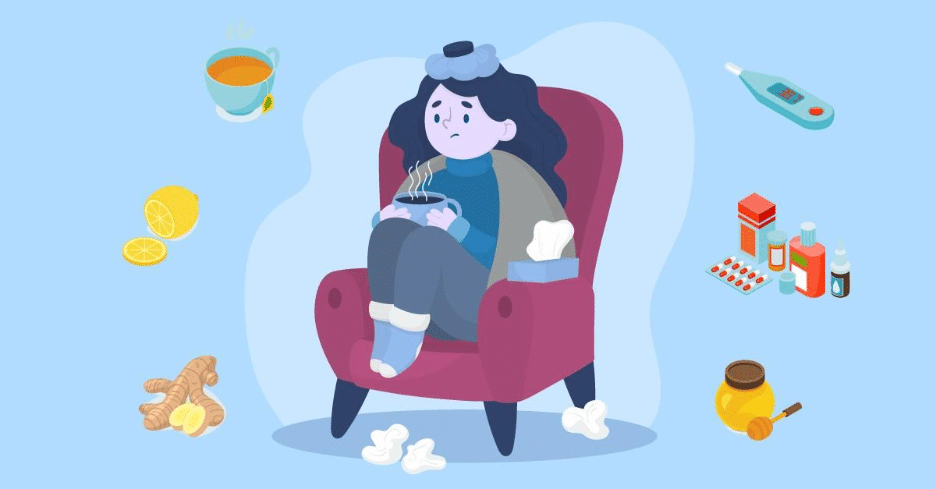
Symptoms of cold and flu are somewhat recognizable, but recovery time varies and cannot be predicted in advance. Both diseases belong to the category of viral Upper Respiratory Infections that are different in terms of cause and severity.
Colds tend to develop slowly but with milder symptoms, whereas the flu may develop abruptly with fever, aches, tiredness, and sore throat. In both instances, the key to recovery lies in the body’s response to it over time.
This makes decisions involving cold and flu medicine important.
The vast majority of medicines are not able to eliminate the virus; they alleviate symptoms, ease physical loads, and provide comfort when the immune system functions. There are medicines that influence the severity of the illness only at the initial stage, and others reduce the discomfort without reducing the healing time.
By knowing how these options and choices work, you can find out which medicine to match symptoms and prevent unwarranted and useless use.
That said, the sections below explore how different cold and flu medicines work, when they help, and how to use them responsibly.
1. Purpose of Cold and Flu Medicine In Recovery

Cold and flu medicine should be considered as a support mechanism to recovery and not as a cure. The majority of colds and flu infections heal by themselves as they are eliminated by the immune system. Due to this reason, medicine is mostly used to control symptoms that affect rest, comfort, and day-to-day functioning.
Painkillers and fever-blockers relieve body pain and elevated temperature, decongestants and saline drops eliminate nasal pain. In the majority of cases, these medicines do not reduce the general period of disease but help to manage symptoms during recovery. Once discomfort is managed, you can rest, remain hydrated, and have an energy level that facilitates immune response.
Learning this role assists in making realistic expectations. The need to use cold and flu medication to enhance comfort, as opposed to compel faster recovery, promotes responsible use and limits unnecessary exposure to other ingredients.
2. Role Of Antiviral Medicine In Recovery
Antiviral medicine is accessible only for certain viral infections, specifically influenza and COVID-related illness. These medications act by inhibiting viral multiplication and are able to decrease the severity and length of the sickness when taken at the initial stages.
Moreover, timing is critical. Antiviral medicines like Neuraminidase inhibitors (NAIs) and Endonuclease inhibitors are useful when administered to treat an illness within one to two days of the onset of symptoms. Beyond this brief window, the effectiveness diminishes substantially. Due to this shortcoming, the use of antivirals frequently relies on the timely identification of disease and personal risk factors.
Furthermore, effective antiviral treatment is yet to be found as of today, despite research on common colds and most other viral infections of the upper respiratory system.
3. Preventive Value Of Vaccination
Vaccination is a preventive action and not a treatment action. The annual flu shot helps prevent infection and lowers symptom severity if illness occurs. The risk of severe illness and complications is also minimized by vaccines such as the COVID-19 vaccination.
Although vaccination is not able to prevent infections, it minimizes the overall impact of illness and recovery. Currently, vaccines are available for influenza and COVID-19, while most other viral upper respiratory infections do not have preventive vaccines.
Vaccination also minimizes the use of intensive medicines and facilitates a more easy recovery because it minimizes the occurrence of severe symptoms. Keeping up with the recommended vaccines enhances protection on the population level as well as assists individuals in developing milder illnesses in case of exposure.
4. Evidence Behind Supplements And Remedies
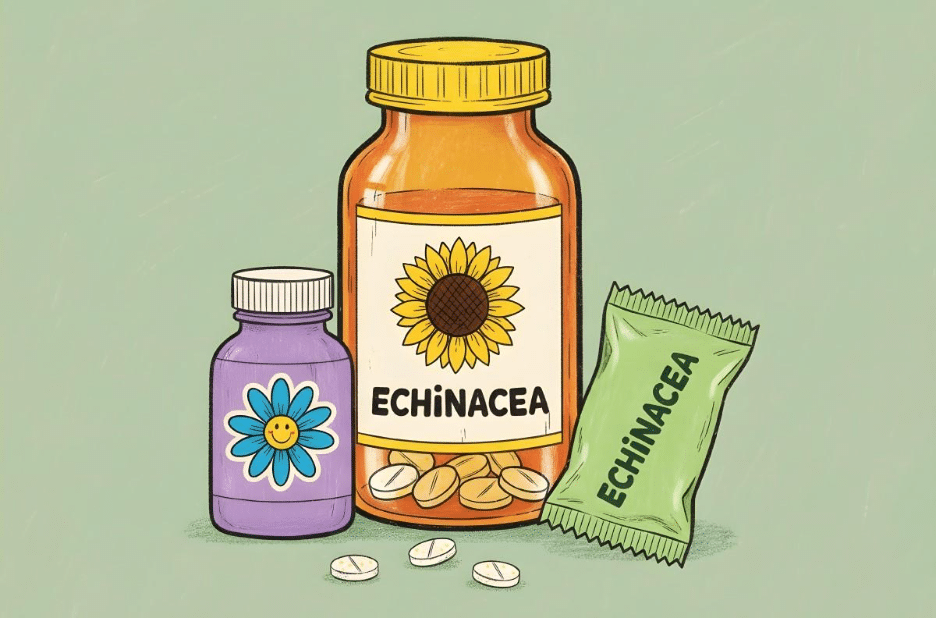
Some supplements receive attention for their potential role in cold and flu recovery. Echinacea, vitamin C, and zinc are commonly discussed, though research evidence remains mixed. Large systematic reviews and clinical trials have not consistently shown clear benefits of Echinacea for cold recovery, and its role in flu recovery remains uncertain.
Vitamin C and zinc show modest reductions in symptom duration in some studies, particularly when taken early, but results vary by dosage, formulation, and individual response.
Because findings remain inconsistent, supplements should not replace proven medicine or supportive care strategies.
5. Symptom Relief And Supportive Care Approach
Most cold and flu medicines focus on symptom relief rather than shortening illness duration.
- Pain relievers and fever reducers help manage body aches and elevated temperature.
- Saline sprays, nasal rinses, and short-term decongestant use may ease congestion.
- Cough remedies show limited effectiveness and require cautious use, especially for children.
Used appropriately, these medicines reduce discomfort that interferes with sleep, hydration, and daily routine, which indirectly supports recovery. Overuse or unnecessary combinations, however, do not improve outcomes and may increase side effects.
Supportive care remains essential. Adequate fluid intake prevents dehydration and helps loosen congestion. Rest supports immune function, while warm fluids and humidified air ease respiratory discomfort. Although these measures do not shorten illness, they improve tolerance of symptoms and help you function better during recovery.
Closing Perspective
Cold and flu medicine works best when used with clear expectations.
Antiviral medicine offers benefit only in specific situations and within a narrow timeframe, making early recognition important. Most other options focus on symptom relief rather than recovery speed, while supplements provide uncertain and inconsistent benefits.
Supportive care remains the foundation of recovery, helping the body manage illness more effectively. Together, these approaches maintain comfort, prevent unnecessary or excessive medicine use, and support steady healing without added strain.
Understanding what each option can and cannot do allows you to manage symptoms safely, reduce avoidable exposure to medications, and approach recovery in a balanced, informed, and practical way.