

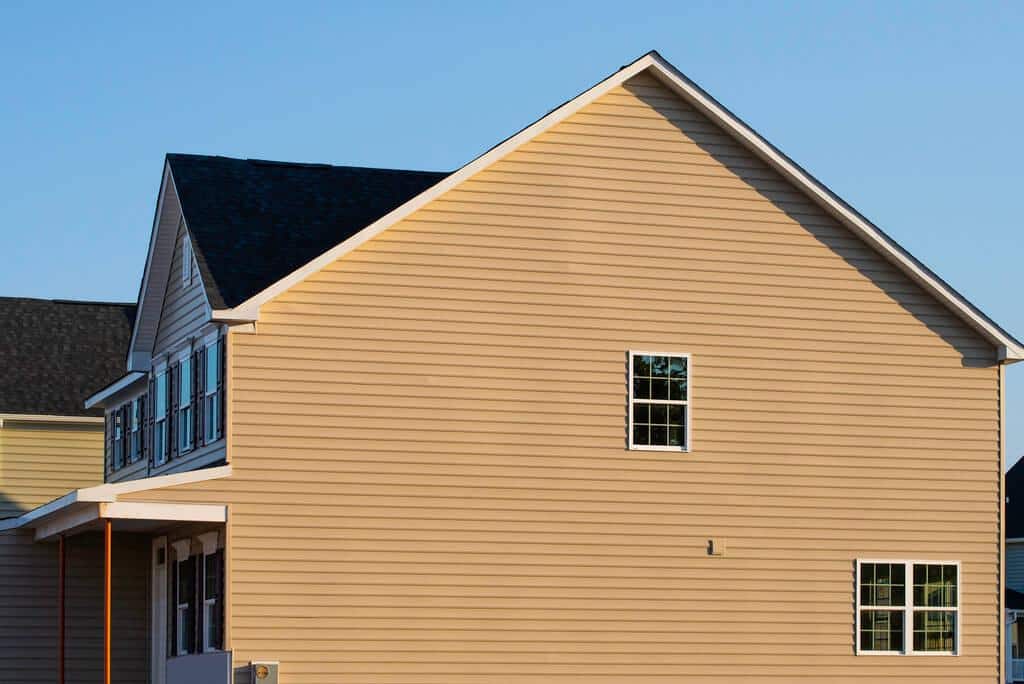
The exterior appearance of a home plays a powerful role in shaping first impressions. Visitors, neighbors, and prospective buyers often form opinions before stepping inside. A thoughtfully designed façade reflects care, attention to detail, and a sense of pride of ownership. Homes with strong visual appeal tend to attract more interest in the real estate market and often command stronger pricing. Beyond financial considerations, an inviting exterior contributes to homeowners’ satisfaction and confidence, making everyday living more rewarding. Premium wood exterior panels offer a refined way to elevate a home’s outward appearance. These panels combine natural texture with advanced treatments that support longevity in outdoor settings. This article examines how wood panels contribute to visual appeal, property value, and design flexibility, while addressing maintenance practices and selection guidance to help homeowners make informed decisions.
Upgrading exterior finishes often results in noticeable gains in property valuation. Homes that stand out visually attract wider buyer interest and tend to sell faster. Exterior wood panels provide a polished appearance associated with quality construction, which can positively influence appraisals. Over time, this type of exterior improvement supports stronger returns when selling or refinancing, making it a strategic upgrade rather than a short-lived cosmetic change. A visually appealing home exterior contributes to emotional well-being. Arriving at a residence that reflects personal taste fosters a sense of accomplishment and belonging. Homeowners often feel more confident hosting guests and engaging with their community when their property reflects care and craftsmanship. This emotional benefit adds everyday value that extends beyond financial metrics.
Premium wood exterior panels consist of carefully selected timber treated for outdoor durability. These products often feature enhanced resistance to weather exposure, surface wear, and fading. The wood may be sourced from hardwoods or engineered softwoods that receive protective finishes, allowing the material to retain its natural character while performing reliably in exterior conditions.
Homeowners can choose from a broad selection of wood panel profiles, finishes, and grain patterns. Vertical or horizontal layouts suit modern architecture, while textured or reclaimed finishes complement traditional designs. Variations in wood species provide options ranging from light, minimalist tones to rich, deep hues. This variety allows homeowners to align panel choices with architectural preferences and regional aesthetics. Wood panels provide warmth and depth that manufactured materials often lack. Unlike synthetic siding, natural wood develops character over time while maintaining its structural integrity when properly cared for. Many premium panels are produced using responsible forestry practices, appealing to environmentally conscious homeowners. Reduced replacement frequency further supports sustainability goals and long-term cost efficiency.
Estimated costs and influencing factors
Pricing for premium wood exterior panels varies based on wood species, surface treatment, panel size, and installation requirements. Higher-grade woods and custom finishes typically command greater upfront investment. Installation costs depend on project complexity and labor expertise. While initial expenses may exceed those of basic siding materials, the long-term benefits often offset the difference.
Long-term performance and value retention
Premium wood panels maintain their visual appeal over extended periods when maintained properly. Their durability reduces the need for frequent repairs or replacements. Over years of ownership, this reliability translates into predictable maintenance costs and sustained exterior quality. Many homeowners view this stability as a compelling reason to select wood panels over short-term alternatives.
Why premium materials justify higher spending
Choosing premium materials reflects an emphasis on quality, longevity, and refined design. High-grade wood panels provide consistent performance while elevating architectural appeal. Fewer replacements, enhanced resale value, and enduring aesthetics support the case for investing in superior materials rather than opting for lower-cost solutions with limited lifespans.
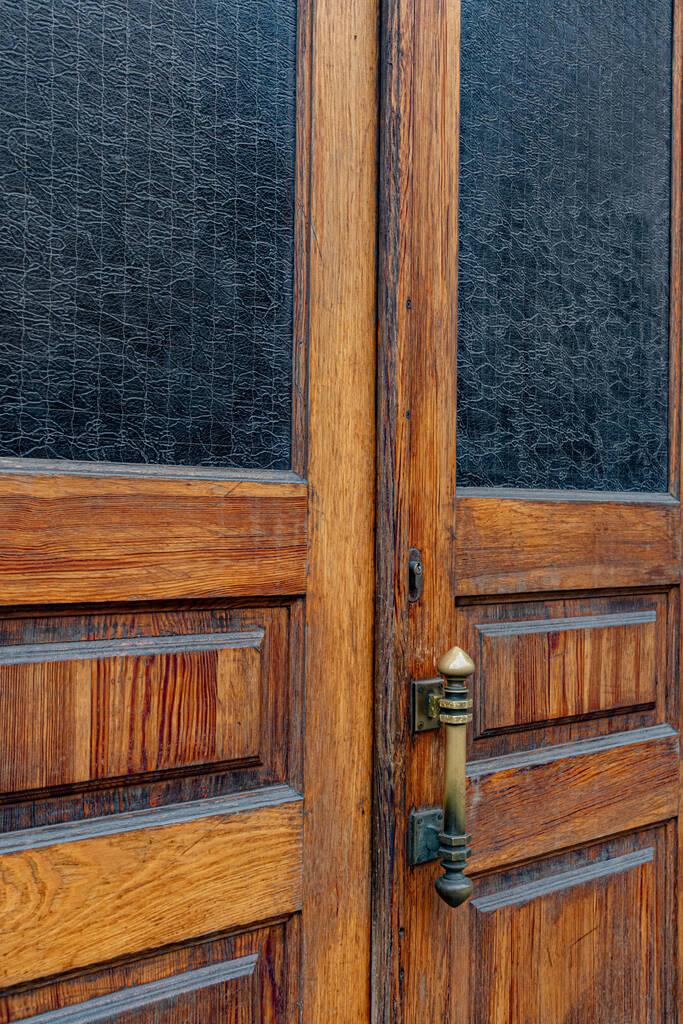
Wood exterior panels adapt seamlessly to diverse design themes. Contemporary homes benefit from clean-lined panel arrangements, while classic residences gain character through textured finishes. Natural grain patterns introduce depth and warmth, helping structures feel balanced and inviting. Designers frequently use wood panels to bridge modern and traditional elements within a single exterior scheme. Many residential renovations demonstrate the transformative effect of exterior wood panels. Plain façades gain dimension and contrast, while dated exteriors receive a refreshed identity. Wood paneling highlights architectural features such as entryways and upper levels, drawing attention to focal points and improving overall proportions.
Sustaining the beauty of wood panels involves routine care. Gentle cleaning removes surface debris, while protective coatings guard against environmental exposure. Addressing minor surface damage early helps preserve uniformity and finish quality. These practices allow wood panels to age gracefully while maintaining their original charm.
Wood species influence appearance, durability, and maintenance needs. Color selection affects how the exterior complements roofing, trim, and landscaping. Panel dimensions impact visual balance and scale. Thoughtful coordination of these elements creates a cohesive exterior that feels intentional rather than assembled. Successful exterior design respects both the home’s architectural character and its surroundings. Choosing finishes that harmonize with neighboring structures promotes visual continuity within the community. Subtle contrasts may highlight individuality without disrupting the overall streetscape. Skilled installation supports performance and longevity. Proper alignment, secure fastening, and appropriate spacing protect panels from environmental stress. Professional workmanship often preserves manufacturer warranties and minimizes future repair needs, offering peace of mind alongside visual refinement.
Care and Maintenance Guidance
Regular cleaning practices
Periodic cleaning maintains surface clarity and prevents buildup. Mild solutions and soft brushes work well for removing dirt without damaging finishes. Scheduled upkeep keeps panels looking fresh and supports long-term performance.
Protection against insects and decay
Preventive treatments and sealants shield wood from biological threats. Adequate ventilation behind panels reduces moisture retention, which supports structural stability. Routine inspections help identify early signs of wear, allowing timely intervention.
Knowing when expert support is helpful
Complex maintenance tasks or persistent issues may benefit from professional assessment. Specialists possess the tools and experience required to restore finishes, repair damage, and extend panel lifespan without compromising appearance.
Conclusion
Premium wood exterior panels offer a refined approach to elevating residential exteriors. Their natural beauty, adaptable design options, and dependable performance contribute to stronger property value and daily homeowner satisfaction. From financial advantages to emotional rewards, these panels deliver benefits that extend well beyond surface appeal. By selecting suitable materials, aligning designs with architectural context, and following consistent maintenance practices, homeowners can transform their properties into welcoming, enduring spaces that stand out for all the right reasons.