

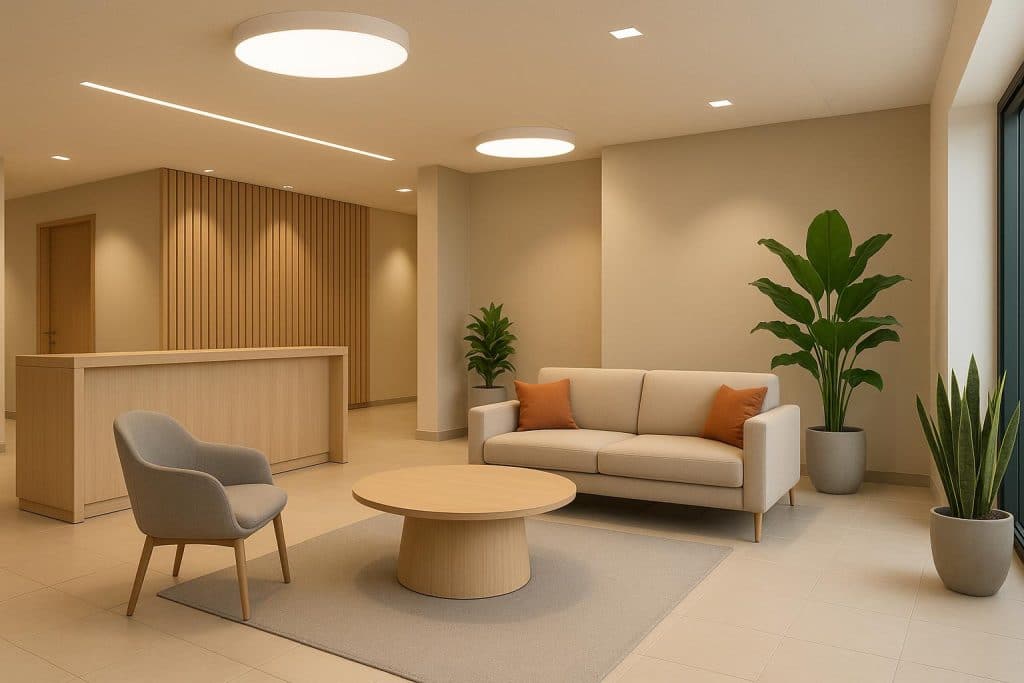
Facility design is more than selecting paint colors or arranging furniture. The way a space is planned—its layout, lighting, and flow—directly influences how people behave and feel within it. Well-considered design promotes comfort, efficiency, and satisfaction for both visitors and staff. It shapes first impressions, affects mood, and can even influence productivity. Organizations that focus on these elements can create inviting, functional environments without overspending.
Why facility design is important for businesses
People often form opinions about a business within seconds of walking through the door. The cleanliness, organization, and visual appeal of a facility quickly signal professionalism and brand quality. Poor lighting or disorganized spaces can feel overwhelming or uninviting, while a thoughtfully arranged environment builds trust and confidence.
Employees are equally affected by their surroundings. Inefficient layouts or poorly planned work areas increase strain and slow daily operations. Smart design choices streamline tasks, reduce frustration, and support morale. Together, these outcomes play a major role in customer satisfaction, repeat visits, and employee retention.
Addressing customer needs through design
Every area a customer encounters contributes to their overall experience. Entryways, waiting zones, seating arrangements, and corridors influence first impressions, while restrooms, service areas, and dining spaces determine comfort and convenience.
Simple features like clear signage, logical layouts, and comfortable seating help visitors move through a space with ease. Small but intentional details—such as slip-resistant flooring or seating placed where people naturally pause—can significantly improve satisfaction. When customers feel at ease and supported, their view of the business becomes more positive.
Enhancing employee performance with smart layouts
Staff members spend long hours working within these spaces, often repeating the same movements throughout the day. Layout decisions affect how smoothly employees can access tools, move between work areas, and interact with customers. Poor planning leads to unnecessary walking, congestion, and physical fatigue.
Effective facility design supports workflow by placing workstations, storage, and break areas where they make the most sense. These thoughtful arrangements save time, reduce stress, and communicate that employee comfort matters—boosting engagement and overall performance.
Design elements that influence experience
Factors such as lighting, sound control, materials, and finishes strongly affect how a space feels. Consistent, well-balanced lighting improves visibility and safety, while adjustable or softer lighting creates a more relaxed atmosphere in waiting or dining areas. Proper acoustic design minimizes background noise, helping employees concentrate and customers feel more comfortable.
Selecting durable, easy-to-maintain materials helps keep facilities looking clean and professional over time. When surfaces withstand heavy use without constant repairs, maintenance demands decrease and operations run more smoothly. The most effective designs strike a balance between visual appeal and everyday practicality.
Accessibility and inclusion in facility planning
Designing for accessibility ensures that spaces are usable and welcoming for everyone. Features like ramps, wide entrances, adaptable furniture, and clear visual cues make navigation safer and easier for people with different abilities.
Inclusive environments benefit businesses beyond meeting regulations. Customers notice and appreciate spaces that are considerate and easy to use, while employees encounter fewer obstacles in their daily tasks. Prioritizing accessibility strengthens brand reputation and reinforces a commitment to respect and inclusivity.