

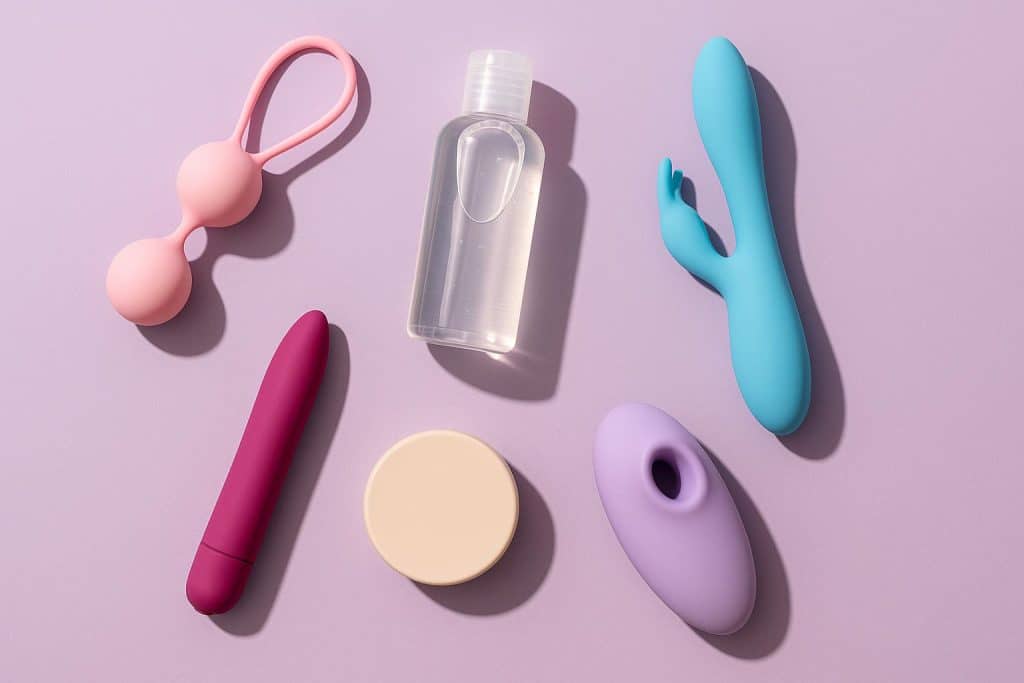
Over the last ten years, the sexual wellness market has seen a transformation. Previously viewed as taboo and niche, sexual wellness products are now accepted as part of the discussion about health, pleasure, and personal care within consumer culture.
Attitudes toward sexual wellness have changed significantly due to a growing awareness of sexual wellness and the creation of educational programs to educate the public about the importance of sexual health and wellness. Today, consumers want products that not only work but are also safe, inclusive, thoughtfully designed, and consistent with their overall sexual health.
As a result, new ideas for the development of sexual wellness products are evolving in more intelligent and innovative ways. Below are some key trends impacting the development of sexual wellness.
Natural and Organic Ingredients Taking Center Stage
One of the biggest shifts in sexual wellness is a growing trend toward being ingredient-conscious. People are now focused on reading labels, asking questions about unfamiliar chemicals, and directing their consumer interest toward products that seem naturally sourced.
For example, lubes made with plant-derived, body-safe ingredients are gaining traction over products with synthetic additives or glycerin-heavy formulas. Most consumers tend to avoid synthetic ingredients, parabens, or glycerin-heavy formulas, opting for more natural lubrication from fewer plant-based, body-safe ingredients that reduce the risk of irritation or discomfort.
This shift is already visible in brands like WOO More Play, which are leading the movement toward cleaner formulations and transparency about the ingredients used in their products, offering lubes with natural ingredients as a more accessible and trusted option for consumers.
Sexual Wellness as Self-Care, Not Only Pleasure
Another defining trend is the reframing of sexual wellness as an extension of self-care. Consumers are associating the notion of wellness with their intimate lives, and tend to regard such products as vehicles for relaxation, stress-relief, as well as emotional connection, not just pleasure.
This transformation has driven calmer designs, gentler materials, and messages that encourage comfort and confidence. It also helps remove stigma, making sexual wellness feel normal, healthy, and necessary rather than indulgent or taboo.
Smarter and Intuitive Product Design
The technology maintains its presence in the industry, yet current innovations develop products for the needs of users instead of creating products that only complement existing features. Brands are designing products that respond to natural movement, eliminating the need for complicated controls.
The development of app-connected devices with adjustable intensity settings and their quiet motors demonstrates how technology achieves better performance through incremental improvements. The goal is to deliver comfort and customization features that users can enjoy without experiencing difficulties from their advanced technical specifications.
Inclusive and Body-Positive Innovation
Sexual wellness products now require their brands to create inclusive design because the concept has become essential for market viability. The current generation of consumers demands products that acknowledge all body types, sexual orientations, and diverse customer experiences without relying on traditional stereotypes.
All aspects, from product development to branding and content creation, have been shaped by these elements. Brands establish trust with their customers through authentic representation of real individuals, with clear, respectful guides that empower users of all orientations and experience levels.
Focus on Sexual Health and Education
As educational efforts expand, public understanding of sexual wellness continues to grow. Consumers understand how products function while also getting an idea of why products maintain safe standards, which methods deliver optimal results, and what can support their sexual health.
Brands now present their product details through better product guides, which display all components and create educational material that supports discussions about pleasure and consent, and intimacy.
Sustainability and Ethical Choices
Eco-friendly design has become an essential requirement that consumers now demand from their purchasing choices. Sexual wellness brands respond through their use of sustainable packaging, recyclable materials, and eco-conscious production methods.
The product range includes biodegradable lubes and toys made from responsibly-sourced silicone or plant-based materials, and items with minimal or eco-friendly packaging.
This trend aligns pleasure with responsibility, proving that consumers don’t have to sacrifice their values for quality products. For many buyers, sustainability isn’t just a bonus; rather, it’s a deciding factor.
Conclusion
The future of sexual health and wellness products is built on respect for all people’s bodies, identities, the environment, as well as the individual’s right to choose. Today, product innovation is no longer considered just a novel idea.
Today’s innovations prioritize consumer safety and inclusivity, while also focusing on providing meaningful user experiences through the lens of proven science and honesty. As consumers learn more about what they do and don’t want, their voices will continue to shape the future of the industry.
From eco-friendly, natural-based ingredients to technologically advanced device design to environmentally-responsible manufacturing processes, the sexual health and wellness industry is about to enter an exciting new chapter. This will include products that not only provide pleasure to consumers but also support their overall health and dignity while empowering them to make their own choices.