

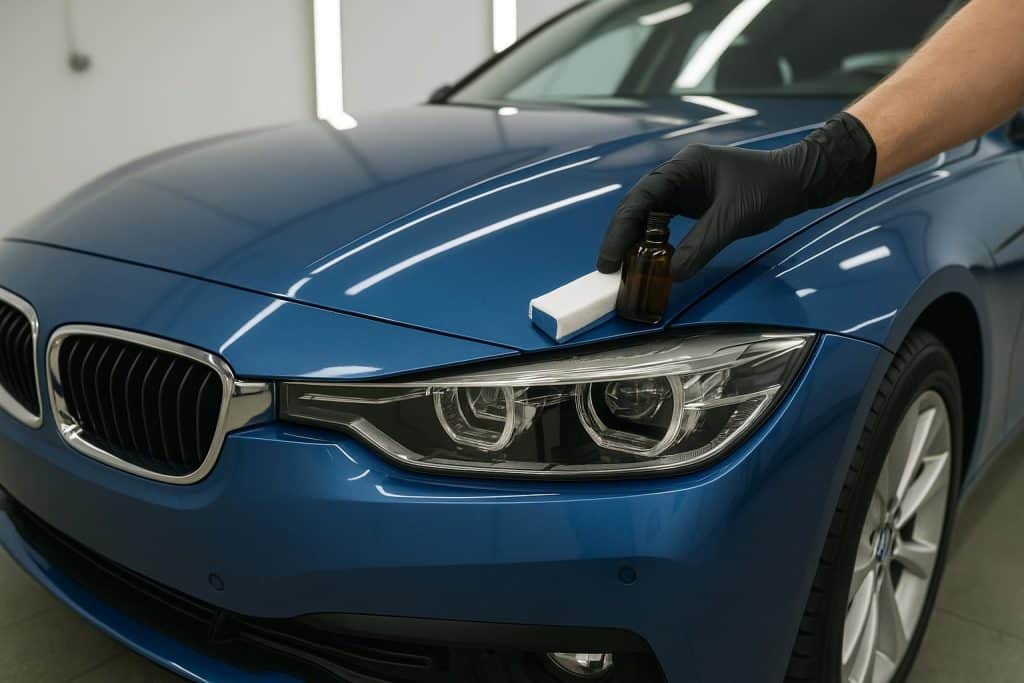
You’ve just spent hundreds or even thousands of pounds on a professional ceramic coating for your car. Naturally, you’re wondering how long this investment will actually protect your paintwork before you need to reapply it.
Professional-grade ceramic coatings typically last between 5 and 10 years when properly maintained, according to industry data from Ceramic Pro. However, this lifespan isn’t set in stone. The actual durability depends on several factors, including the quality of the product, application technique, environmental conditions, and how well you maintain your vehicle.
What Determines How Long Your Ceramic Coating Lasts?
The longevity of a ceramic coating isn’t guaranteed by the product alone. Several variables can either extend or shorten its protective lifespan.
Product Quality and Technology
Not all ceramic coatings are created equal. Entry-level DIY products might last 1-2 years at best, whilst professional-grade coatings can protect your paint for considerably longer. The chemical composition makes all the difference.
Premium coatings like Gtechniq’s Crystal Serum Ultra use advanced nanotechnology with dual-layer structures incorporating 7nm and 20nm nanoparticles. This creates a coating that’s exceptionally resistant to scratches, swirl marks, and chemical degradation. The prosumer version, Crystal Serum Light, offers 80% of the performance at a more accessible price point, with durability of 3-5 years on its own.
When Crystal Serum Light is topped with EXO V5—which provides superior hydrophobic properties—the combined dual-layer system can deliver up to 7 years of protection. This layered approach is what separates professional coatings from consumer alternatives you’ll find in retail shops.
Application Technique
Even the best ceramic coating will underperform if it’s not applied correctly. Proper paint preparation is absolutely critical. The surface must be thoroughly decontaminated, polished to remove defects, and completely clean before application.
Professional detailers typically spend several hours preparing the paintwork. They’ll use clay bars, iron removers, and multi-stage polishing to create the perfect foundation. If a coating is applied over contamination or existing scratches, it’ll essentially seal those imperfections in place and won’t bond properly to the clear coat.
The curing process matters too. Most coatings need 24-48 hours to fully cure, during which the vehicle shouldn’t be exposed to water or moisture. Rushing this process can compromise the coating’s durability from day one.
Environmental Conditions
Where you live and park your car significantly impacts coating longevity. Vehicles in coastal areas face harsher conditions due to salt spray, and owners can expect approximately 20% shorter lifespan compared to inland vehicles, according to data from FEYNLAB.
Direct sunlight, whilst not harmful to quality coatings, means more exposure to UV radiation and higher surface temperatures. Cars parked outdoors year-round will naturally experience more degradation than those kept in garages.
UK-specific challenges include road salt during winter months, acid rain in industrial areas, and the constant cycle of rain and sun. These conditions test a coating’s chemical resistance and bonding strength continuously throughout the year.
Maintenance and Care
This is where most people either maximise or waste their investment. A ceramic coating isn’t a “fit and forget” solution—it requires proper maintenance to reach its full lifespan potential.
Regular washing is essential, but technique matters. You should use pH-neutral shampoos specifically designed for ceramic coatings. Harsh detergents or acidic cleaners (below pH 2) can gradually degrade even professional coatings that claim resistance from pH 2-12.
Avoiding automatic car washes is wise. The brushes and harsh chemicals used in many automated systems can accelerate coating degradation. Hand washing or touchless washes are far safer alternatives.
How Different Coating Types Compare
Understanding the market helps set realistic expectations for your specific coating.
Professional vs DIY Coatings
Professional-applied coatings generally last 5-10 years, whilst DIY kits typically provide 1-2 years of protection, based on comprehensive testing by Car and Driver. The difference comes down to the concentration of silicon dioxide (SiO₂) and other bonding agents.
Professional formulations contain higher concentrations of ceramic nanoparticles—often 70% or more. Consumer products typically max out around 30-50% to make them easier and safer to apply at home. This directly impacts hardness, chemical resistance, and longevity.
Another factor is exclusivity. Gtechniq’s Crystal Serum Ultra, for example, is only available through accredited detailers who’ve been trained in proper application techniques. This ensures the coating is applied under optimal conditions by experienced professionals.
Mid-Tier Coatings
Most daily drivers with mid-tier professional coatings will see protection lasting around 2-5 years when properly maintained, according to analysis from Fresh Layer. These represent the sweet spot for many car owners—offering substantial protection without the premium price tag of flagship products.
Products in this category often use single-layer formulations rather than the dual-layer systems found in premium offerings. They’ll still provide excellent gloss enhancement, hydrophobic properties, and protection against contaminants, just with a shorter guaranteed lifespan.
How Coatings Compare to Traditional Protection
Ceramic coatings vastly outlast traditional waxes, which typically need reapplication every few months. Even synthetic sealants rarely last more than 6-12 months. Ceramic Pro’s research confirms that ceramic coatings can maintain protection for years compared to wax’s months-long durability.
This longevity is what justifies the higher upfront cost. When you factor in the time and product costs of waxing your car 3-4 times per year, a coating that lasts 5 years becomes economically sensible.
Signs Your Ceramic Coating Is Wearing Out
Coatings don’t suddenly fail overnight. They gradually degrade, and recognising the warning signs helps you plan for reapplication before your paint loses protection entirely.
Loss of Hydrophobic Properties
The most obvious sign is water behaviour. A fresh coating causes water to bead up tightly and roll off in sheets. As the coating ages, you’ll notice beads becoming larger and flatter, with water not sheeting as effectively.
This doesn’t mean the coating has failed completely—you may still have chemical and UV protection—but the hydrophobic top layer is degrading. For layered systems like CSL + EXO, this typically means the top layer (EXO) needs renewal whilst the base layer (CSL) remains intact.
Increased Dirt Adherence
Ceramic coatings create a slick, non-porous surface that resists contamination. When dirt, brake dust, and road grime start sticking more readily between washes, it indicates the coating’s self-cleaning properties are diminishing.
You might notice that wash times are increasing because contaminants aren’t rinsing away as easily. This is particularly noticeable on horizontal surfaces like the bonnet and roof, which collect the most environmental fallout.
Diminished Gloss and Depth
Fresh ceramic coatings enhance paint depth and gloss by creating an optically clear, flat surface. As coatings age and accumulate microscopic scratches or contamination, this clarity fades.
If your paint looks duller despite being clean, or if the “wet look” has disappeared, these are indicators that the coating layer has thinned considerably. Professional polishing might temporarily restore some gloss, but reapplication is the only permanent solution.
Visual Inspection Under Lighting
Inspect your paint under bright light or sunlight at various angles. High spots, uneven water beading, or areas where water doesn’t bead at all indicate coating failure in those sections.
The bonnet, roof, and boot lid typically show wear first because they receive the most direct exposure to sun, rain, and environmental contaminants. Side panels and lower areas often retain coating properties longer due to less direct exposure.
Extending Your Ceramic Coating’s Lifespan
Whilst no coating lasts forever, proper care can help you reach or even exceed the manufacturer’s claimed durability.
Regular Maintenance Washing
Wash your car every 2-3 weeks as a baseline, more frequently if it’s regularly exposed to contaminants. Use the two-bucket method with a pH-neutral shampoo designed for ceramic coatings.
Start from the top and work down, using separate wash mitts for wheels and painted surfaces. This prevents cross-contamination of brake dust and road grime onto your paint, which can be abrasive.
Proper Drying Technique
Don’t let water air dry on your paint. Mineral deposits from evaporated water can etch into ceramic coatings over time. Use a plush microfibre drying towel or a forced-air dryer to remove water completely.
Avoid cheap, thin microfibre towels that might mar the coating. Invest in quality drying towels with a high GSM (grams per square metre) rating—typically 400 GSM or higher for optimal safety and absorbency.
Top-Up Products
Many manufacturers offer spray sealants or “booster” products designed to maintain coatings between applications. These aren’t replacements for the base coating but can refresh hydrophobic properties and add a sacrificial layer of protection.
Products like Gtechniq’s C2 Liquid Crystal can be applied in minutes and provide temporary enhancement to the coating underneath. Used every few months, these top-ups can extend the overall system’s effective lifespan.
Avoid Harsh Chemicals
Be cautious with products you use on or near your paint. Automatic car washes often use high-alkaline or acidic chemicals that can degrade coatings faster than manufacturer testing accounts for.
Similarly, be careful with wheel cleaners, especially acidic formulations. Overspray or run-off onto painted surfaces can cause premature coating failure in those areas. Always rinse thoroughly and immediately.
Professional Inspections
Consider having your coating professionally inspected annually. Experienced detailers can assess coating condition using water testing, gloss meters, and visual inspection under proper lighting.
They can also perform decontamination treatments to remove bonded contaminants without damaging the coating. Iron removers and gentle clay treatments can restore performance without requiring full reapplication.
When to Reapply Your Ceramic Coating
Timing reapplication correctly balances ongoing protection with cost management.
Before Complete Failure
Don’t wait until your coating has completely failed and your paint is unprotected. Plan reapplication when you notice the wear signs mentioned earlier but before they become severe.
This approach has two advantages: first, your paint remains continuously protected; second, surface preparation for reapplication is less intensive if the previous coating hasn’t been completely worn through.
Consider the Seasons
If you’re approaching the coating’s expected lifespan, timing matters. Reapplying before winter gives your car maximum protection during the harshest season for UK vehicles—road salt, slush, and constant moisture.
Conversely, spring reapplication means your car looks its best through summer and autumn before facing winter challenges with slightly aged coating. Neither approach is wrong; it depends on your priorities.
Layered System Strategy
For dual-layer systems, consider refreshing just the top layer rather than both. If you have CSL + EXO, and water beading has diminished but the paint still feels slick and protected, you might only need to reapply EXO.
This costs considerably less than a complete system reapplication and can extend the overall protection to the full 7-year potential. Discuss this option with your detailer during annual inspections.
Frequently Asked Questions
How can I tell if my car still has ceramic coating protection?
The most reliable test is water behaviour. Spray clean water on the paint—if it beads tightly and rolls off easily, your coating is still active. If water spreads out or beads are large and flat, the coating has degraded. For definitive answers, contact a professional detailer who can perform thickness measurements and proper assessments.
Do ceramic coatings need maintenance products?
Whilst not strictly necessary, using maintenance products designed for ceramic coatings can extend longevity and maintain optimal performance. pH-neutral shampoos won’t strip the coating like harsh detergents can, and spray boosters can refresh hydrophobic properties between washing. Think of it like maintaining tyres—not mandatory, but beneficial for maximum lifespan.
Can a ceramic coating last 10 years?
Premium professional coatings like Gtechniq Crystal Serum Ultra can last up to 9-10 years with proper maintenance, ideal conditions, and minimal exposure to harsh elements. However, most vehicles will realistically see 5-7 years of effective protection. Coastal vehicles, daily drivers in urban areas, or cars exposed to harsh chemicals may see shorter lifespans regardless of product quality.
What voids a ceramic coating warranty?
Most warranties are voided by improper maintenance, automatic car washes with harsh chemicals, using acidic or alkaline cleaners, paint corrections after application (which remove coating), or failing to follow the manufacturer’s care guidelines. Always review your specific warranty terms—they vary considerably between products and installers.
Is it worth reapplying ceramic coating?
Absolutely. Once your paint has been properly prepared and corrected, reapplication is far less expensive than the initial application. You’re essentially maintaining an investment in your vehicle’s appearance and resale value. Regular reapplication every 5-7 years keeps your paint in showroom condition far longer than alternatives like waxing.
Protecting Your Investment
Ceramic coating longevity ultimately comes down to three factors: choosing a quality product, ensuring proper professional application, and maintaining it correctly throughout its lifespan.
Professional-grade products from established manufacturers like Gtechniq offer the longest durability because they combine advanced chemistry with proper application protocols through trained installers. Their Crystal Serum range represents the upper tier of coating technology, with proven longevity when maintained according to guidelines.
Your coating is an investment in your vehicle’s appearance, protection, and resale value. Treat it accordingly with regular maintenance, proper washing techniques, and attention to early wear signs. By doing so, you’ll maximise every year of protection your coating can provide.