

The new vocabulary of comfort
There was a time when comfort was simple. A roof overhead. A fire in the hearth. A reliable source of warmth when the temperature dropped. These fundamentals shaped domestic architecture for centuries and nobody spent much time questioning them.
That clarity has given way to something more interesting. Modern Australians now expect comfort in places and forms that previous generations never considered possible. They want an atmosphere in apartments that cannot accommodate chimneys. They want reliable power in campsites that sit hundreds of kilometres from the nearest outlet.
What connects these expectations is not extravagance. It is a refusal to accept that physical limitations should dictate how a space feels. And the technology catching up to that refusal is worth examining closely.
When fire becomes design
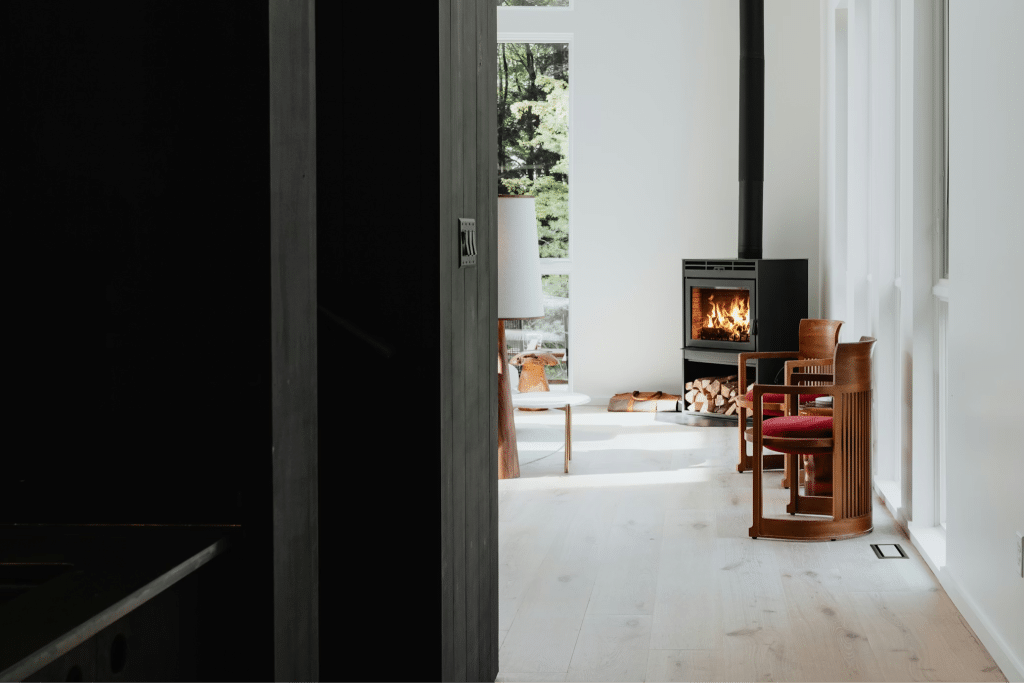
The fireplace has always occupied a peculiar position in domestic life. It is practical and symbolic simultaneously. It heats a room, certainly. But it also anchors the space emotionally. Families gather around it. Conversations happen in front of it. Its presence signals something about the home that radiators and ducted systems never quite manage to communicate.
For much of Australia’s urban population, however, the traditional fireplace has been inaccessible. Apartment living, building regulations and ventilation constraints have placed real fire beyond reach for millions of residents who would otherwise welcome it.
The design industry has responded to this gap with progressively sophisticated alternatives. Electric fireplaces improved. Gas inserts became more elegant. But a genuine leap forward has arrived in the form of technology that reimagines what fire can look like without producing any combustion at all.
The illusion that does real work
The concept is deceptively simple. Instead of burning fuel to create flame, advanced projection and lighting systems generate three-dimensional flame effects that are visually convincing from across a room. No flue required. No gas connection. No emissions. No clearance restrictions that limit placement options.
What makes this approach significant is not the novelty. Simulated flames have existed in various crude forms for decades, and most of them looked precisely like what they were. The current generation represents a genuine departure in quality.
Holographic fireplaces use layered light projection to create flame patterns with depth and movement that respond to the eye the way real fire does. The effect is not a flat screen displaying a video loop. It occupies three-dimensional space. It flickers with the organic randomness that makes actual fire so mesmerising to watch.
For architects and interior designers, this technology opens possibilities that conventional fireplaces simply cannot offer. A holographic unit can be installed in a bedroom wall, a bathroom partition, a kitchen island or a freestanding sculptural element in the centre of a living area. It requires only electrical connection and imagination.
The design implications extend beyond placement flexibility. Without the need for heat shielding, protective surrounds or minimum clearance zones, these units integrate into material palettes that real fire would destroy. Timber joinery. Fabric panels. Resin surfaces. The fireplace becomes a pure design element, contributing atmosphere without imposing the structural demands that traditionally accompanied it.
Atmosphere as a design discipline
The growing sophistication of ambient technology reflects a broader shift in how designers think about interior experience. The conversation has moved beyond furniture and finishes toward something more holistic.
Lighting designers now work with circadian principles, adjusting colour temperature throughout the day. Acoustic consultants shape how sound moves through open-plan spaces. This holistic approach extends across the home, where the latest trends in appliance technology reflect the same demand for solutions that enhance daily life without compromising on design. Scent is being explored as a deliberate design layer in hospitality and high-end residential projects.
Within this framework, the fireplace conversation is really an atmosphere conversation. People do not necessarily want heat. Many Australian homes are already well insulated and climate controlled. What they want is the feeling that fire provides. The visual warmth. The focal point. The primal satisfaction of watching something glow and move.
Technology that delivers this feeling without the associated constraints represents a meaningful expansion of what interior design can achieve. It allows the atmosphere to be designed with the same precision as layout and materiality.
The comfort equation beyond four walls
This same instinct toward designed comfort is reshaping how Australians engage with the outdoors. And the parallel is closer than it might initially appear.
A generation ago, camping meant accepting discomfort as part of the experience. Cold nights, limited lighting, warm drinks only if you packed a gas burner. The appeal lay partly in the contrast with domestic routine. You tolerated the inconvenience because the landscape justified it.
That tolerance has shifted. Not because people have become softer, but because technology has made the trade-off unnecessary. Modern outdoor enthusiasts expect to charge devices, run lighting and power small appliances without hauling a generator or tethering themselves to a powered campsite.
The driver behind this shift is portable power technology. Lithium battery systems and compact inverters have reached a maturity point where reliable electrical supply is no longer exclusive to fixed infrastructure. It travels with you.
Power where the grid ends
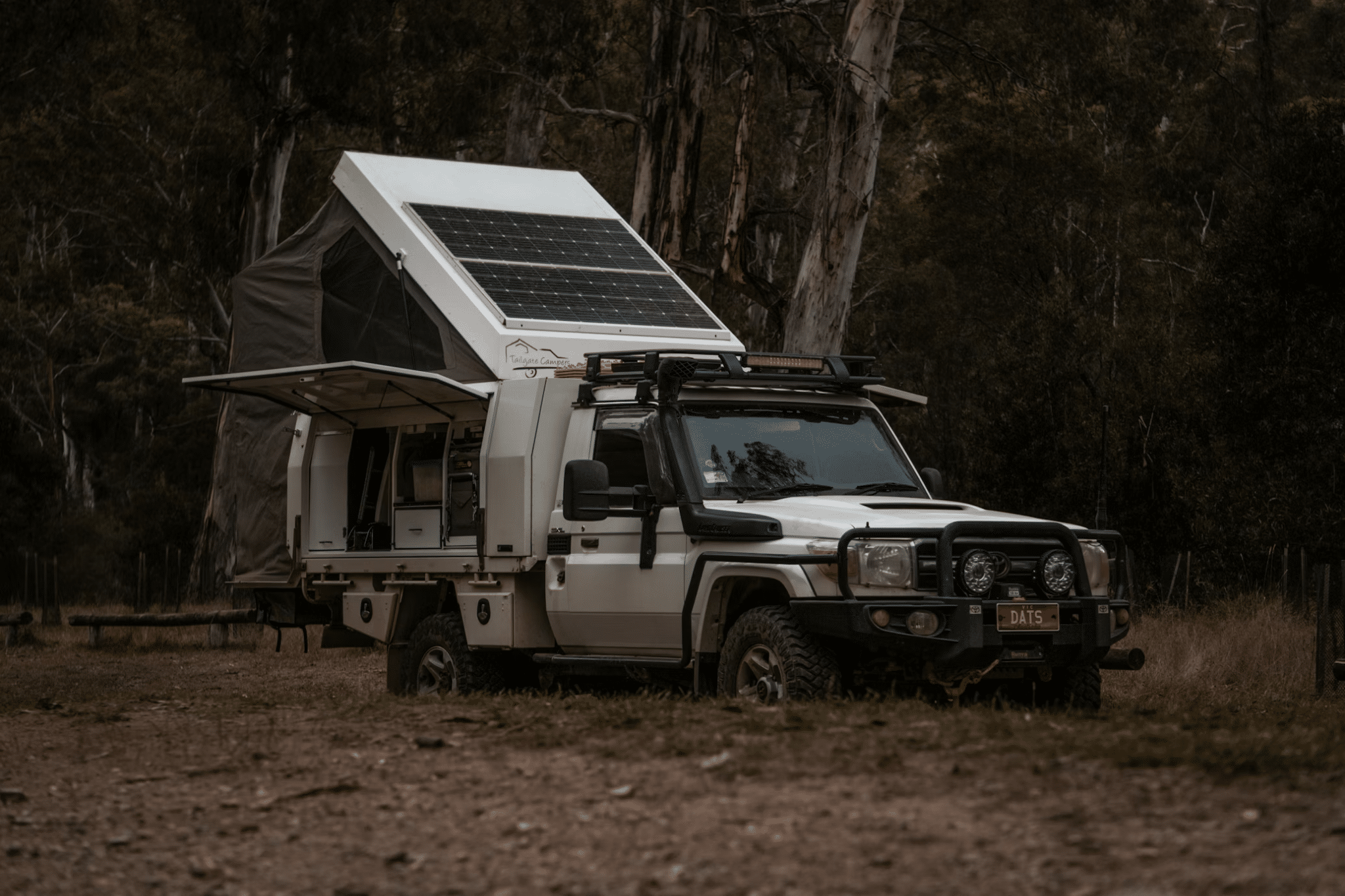
For the growing community of Australians who pursue remote travel and off-grid camping, electrical independence has become a foundational concern rather than a luxury consideration.
The reasoning is practical. Communication devices need charging. Navigation systems require sustained power. Refrigeration keeps food safe over multi-day trips. LED lighting extends functional hours after dark. Medical devices, where relevant, demand reliability that cannot depend on proximity to a power point.
Quality camping inverters have become central to meeting these needs. These units convert stored battery power into usable AC electricity, allowing travellers to run standard household devices and equipment in environments where mains power does not exist. The best units do this efficiently, quietly and reliably across the temperature extremes and vibration that Australian conditions impose.
What distinguishes the current generation of portable power equipment from earlier alternatives is the combination of capacity and portability. Lithium iron phosphate battery chemistry offers higher energy density and longer cycle life than previous technologies. Pure sine wave inverters deliver clean power that sensitive electronics require. And the entire package fits within a vehicle setup that a decade ago would have demanded twice the space and weight.
The overlap nobody expected
Stand back from the specifics and a pattern emerges. The apartment dweller installing a flameless fireplace and the remote traveller packing an inverter system are solving the same fundamental problem. Both refuse to let physical constraints define the quality of their experience.
The apartment lacks a chimney. The campsite lacks a power grid. In both cases, the traditional response was acceptance. You lived without fire or you lived without reliable electricity. The environment dictated the terms.
Technology has renegotiated those terms. Not by brute force, but through design-led solutions that work within constraints rather than demanding that constraints be removed. The holographic fireplace does not require building modification. The portable inverter does not require grid extension. Both deliver their benefits by being smarter about how existing resources are used.
Design-led problem solving
This pattern of elegant constraint management defines the most compelling technology across both indoor and outdoor contexts.
In the home, it manifests as heating and atmosphere systems that operate within the electrical and spatial limitations of modern apartments. Solutions that achieve their effect through ingenuity rather than infrastructure.
Outdoors, it appears as power systems engineered for harsh conditions that deliver domestic-grade reliability without domestic-grade infrastructure. Equipment designed to perform in dust, heat and vibration that would disable consumer electronics built for climate-controlled environments.
The common thread is respect for the problem. The best solutions in both categories demonstrate deep understanding of the specific constraints they address. They do not pretend those constraints are trivial. They simply refuse to treat them as insurmountable.
What comfort looks like now
The definition of comfort has always evolved with technology. Central heating replaced fireplaces. Air conditioning replaced open windows. Each transition expanded what people could expect from their environments.
The current transition is different in character. It is not about replacing one system with another. It is about extending the reach of comfort into spaces and contexts that were previously outside its range.
An apartment on the fourteenth floor can now have the atmospheric warmth of a fireplace without any of the building constraints that made it impossible. A campsite three hours from the nearest town can now support refrigeration, device charging and powered lighting without a generator’s noise and fuel requirements.
These are not luxuries in the traditional sense. They are expansions of what ordinary comfort means and where it can be found. The technology behind them is sophisticated, but the desire they serve is ancient. People want to feel at home. Whether that home has walls or stars for a ceiling, the expectation remains the same.
The quiet convergence
What makes this moment interesting is not any single product or technology. It is the convergence of design thinking and engineering capability across contexts that used to have nothing in common.
Interior designers and outdoor equipment engineers rarely attend the same conferences. But they are solving related problems with related philosophies. Both prioritise efficiency. Both value solutions that achieve maximum impact with minimum intrusion. Both understand that the best technology disappears into the experience it creates.
The fireplace you do not need to vent and the inverter you do not need to hear share more DNA than their surface differences suggest. Both represent technology mature enough to stop announcing itself and start simply delivering what was promised.
In a culture that increasingly values experience over possession and quality over quantity, that quiet competence may be the most compelling feature of all.