

A quiet revolution on the counter
Something has shifted in the way we think about sweets. Not dramatically, not overnight, but with the slow certainty of caramel reaching the perfect amber. The desserts that define our gatherings, our milestones and our small private indulgences have moved well beyond the supermarket shelf.
Where once a box of mass-produced biscuits sufficed for a dinner party or a cellophane-wrapped gift met the minimum social requirement, a growing number of Australians now seek something with fingerprints on it. Something shaped by a person who understands flour and butter the way a painter understands light.
This is not snobbery. It is a recalibration of value. And it tells us something worth examining about how food culture, craftsmanship and celebration have become quietly inseparable.
The patisserie as neighbourhood anchor
Every city has its quiet institutions. The bookshop where the owner remembers what you last read. The barber who knows how you take your conversation. The patisserie belongs in this company, though its cultural role often goes unexamined.
A good patisserie does more than sell pastries. It establishes a flavour vocabulary for its neighbourhood. It marks the seasons through what appears in its cabinet. Frangipane tarts signal stone fruit season. Citrus curd arrives with winter. The changing display tells a story about time and place that no calendar on your phone can replicate.
In Australian cities, this role has deepened considerably over the past decade. Migration patterns have introduced techniques and traditions from France, Japan, Lebanon and beyond. The result is a local pastry culture that borrows broadly while developing its own identity.
Walk through any thriving urban strip and you will encounter this evolution firsthand. The croissant has become a canvas for local innovation. The macaron has been reimagined with native botanicals. Tart shells hold fillings that would puzzle a Parisian but delight anyone paying attention.
Among Sydney patisseries, this creative confidence is particularly visible. The city’s density and diversity have produced patisserie culture where classical French technique meets Australian ingredients and Asian influences with a confidence that feels entirely natural. These are not fusion experiments. They are expressions of a city that has absorbed its influences long enough to stop thinking of them as foreign.
Why craft matters more than ever
The appeal of artisanal food is sometimes dismissed as aesthetic preference. Pretty cakes for pretty photos. But the attachment runs deeper than that and deserves a more honest reading.
Industrial food production optimises for consistency and cost. These are not trivial virtues. They feed populations affordably and reliably. But consistency is achieved by narrowing variables, and variables are precisely where flavour lives.
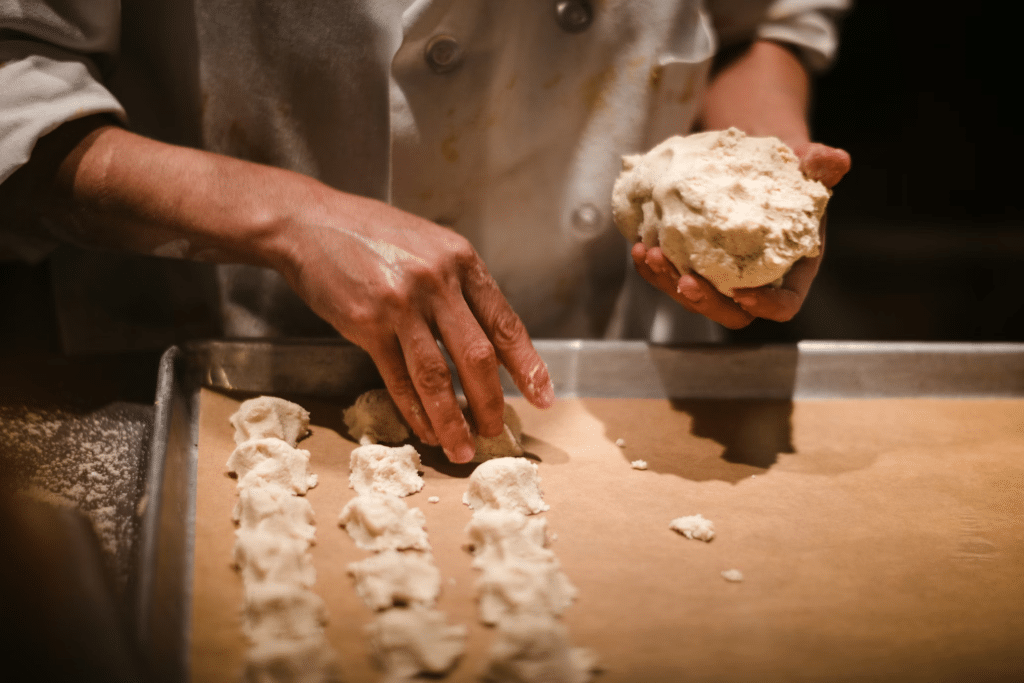
A handmade croissant laminated in a cool kitchen on a Tuesday morning will never taste identical to one made on a humid Friday afternoon. The pastry chef adjusts. They read the dough. They respond to conditions that a factory line cannot perceive. This same principle applies across the artisan food landscape, from patisseries to condiment producers who prioritise flavour over formula. The result carries variation that our palates register as complexity and life.
This is what people are actually buying when they choose the hand-finished éclair over the factory-sealed packet. Not perfection but presence. Evidence that someone was paying attention during the making.
The same principle applies to chocolate, perhaps even more so. Cacao is an agricultural product shaped by soil, climate and fermentation. Artisanal chocolate makers who source single-origin beans and manage their own roasting profiles produce flavour that commodity chocolate simply cannot approach. The difference is not subtle. It is the difference between hearing a song through a phone speaker and hearing it performed live in a room with good acoustics.
Seasonality as storytelling
The industrial food calendar runs on marketing cycles. Valentine’s Day means red packaging. Summer means frozen novelties. The connection between actual seasons and what appears on shelves has grown increasingly tenuous.
Artisanal producers operate differently. Their calendars follow harvests and ingredient availability. A patisserie working with local stone fruit will feature those flavours during a specific window because that is when the fruit is at its peak. When the window closes, the menu shifts.
This creates a relationship between the customer and the passing year that processed food cannot provide. You start to anticipate certain flavours. You notice when the blood orange tart reappears. You understand, without anyone explaining it, that good things arrive in their own time and do not wait around forever.
Seasonality also disciplines the maker. Working within natural constraints forces creativity. When you cannot simply order any ingredient at any time from a global supply chain, you must think more carefully about what is available and what it wants to become. Some of the most compelling pastry work emerges from exactly this kind of productive limitation.
The gift that speaks without words
Gifting culture in Australia has undergone its own quiet transformation. The old defaults of wine, flowers and department store vouchers still circulate. But alongside them, a more considered approach has emerged, one that treats the gift as a form of communication rather than obligation.
Food gifts occupy a particular position in this shift. They are consumed rather than stored. They create a sensory memory rather than a shelf-dusting problem. And when chosen with care, they communicate something specific about the giver’s attention and taste.
The holiday season concentrates on these dynamics. December in particular brings a surge of gift-giving occasions where the stakes feel higher and the desire to choose well intensifies. People want gifts that feel personal without being presumptuous, generous without being excessive and memorable without being impractical.
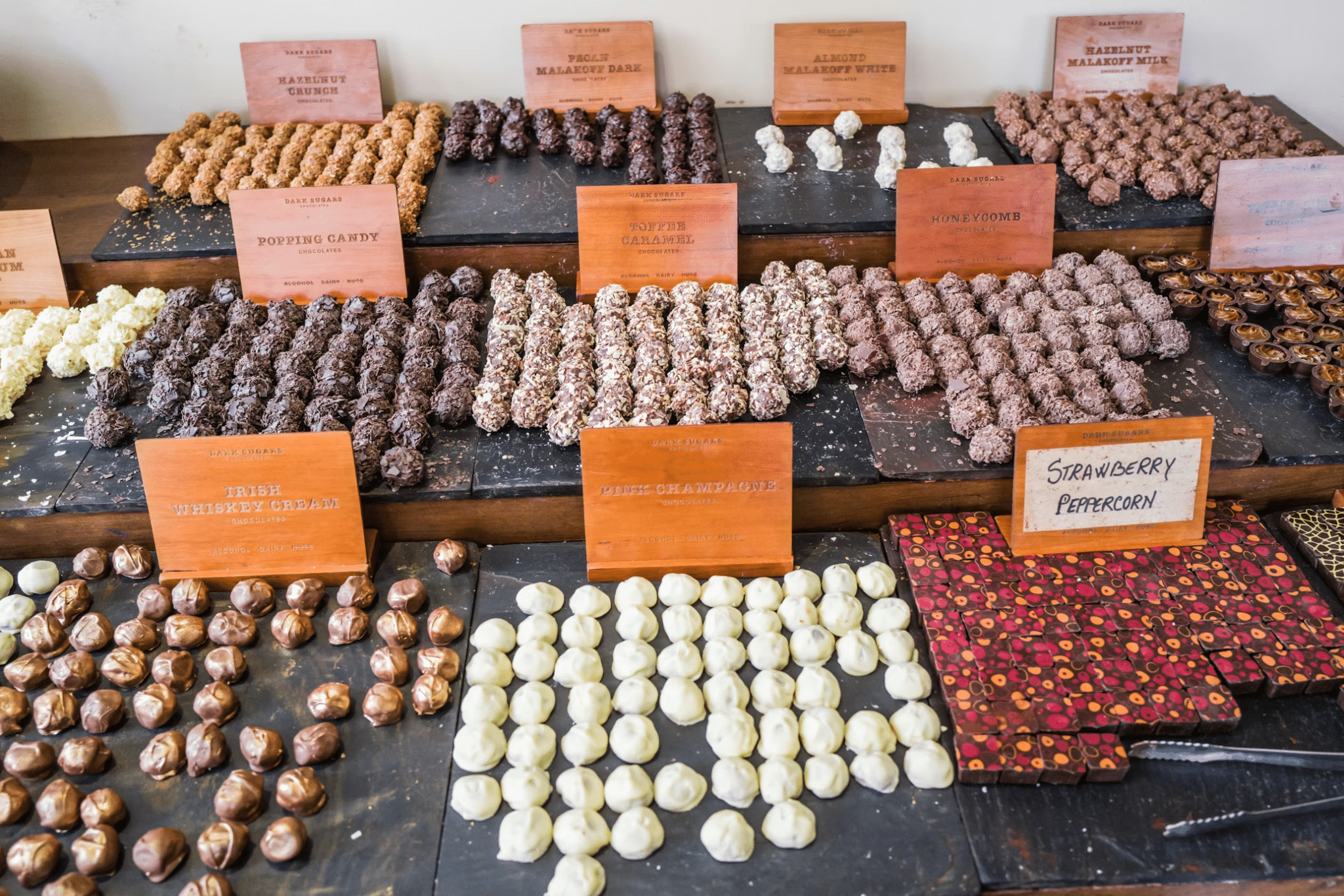
This is where high-quality confections have found a natural role. A beautifully crafted box of Christmas chocolate carries meaning that a generic gift card simply cannot deliver. It says the giver thought about flavour. They considered the presentation. They chose something made with care rather than selected by algorithm.
Personalised and seasonal chocolate offerings have expanded significantly to meet this demand. Custom selections, hand-decorated pieces and curated assortments tied to festive themes allow gift-givers to tailor their choices with a specificity that mass-market options do not provide.
The best of these products sit at the intersection of craft and occasion. They honour the chocolate-making tradition while acknowledging that the context of giving shapes how something tastes. A truffle received as a thoughtful gift carries flavour notes that the same truffle purchased for oneself does not.
The knowledge economy of flavour
One of the less discussed drivers behind artisanal food culture is the democratisation of food knowledge. Australians today know more about what they eat than any previous generation.
Food media, travel and the sheer availability of diverse cuisines have produced a consumer base that can distinguish couverture chocolate from compound coating. That understands what lamination does to pastry. That recognises the difference between vanilla extract and synthetic vanillin.
This knowledge does not make people difficult customers. It makes them appreciative. When someone understands the work behind a well-tempered chocolate bonbon or a properly proved brioche, they value it differently. The price feels justified because the process is understood.
Producers benefit from this educated audience. They can take creative risks knowing that their clientele will engage with unfamiliar flavour combinations rather than retreating to the safe and familiar. The dialogue between maker and consumer becomes more interesting when both parties speak the language.
Small batches and big meaning
There is an economic reality embedded in artisanal food culture that warrants honest acknowledgement. Handmade products cost more than mass-produced alternatives. Not everyone can afford them routinely and positioning them as the only worthy choice would be both elitist and inaccurate.
What artisanal food culture has introduced, however, is the idea that certain occasions deserve elevated attention. You do not need handmade chocolates on a Tuesday. But when December arrives and the people you care about gather around a table, the calculus shifts.
The willingness to spend more on less, to choose four perfect truffles over a kilogram of compound chocolate, reflects a broader cultural movement toward intentional consumption. Buy less. Choose well. Let quality create its own sense of abundance.
This philosophy resonates particularly during the holiday season, when the sheer volume of consumption can produce a kind of sensory fatigue. One exquisite dessert cuts through the noise of excess in a way that twelve mediocre ones cannot.
Where celebration meets craft
Modern celebration has always been partly about the table. What sits on it communicates something about the host, the occasion and the care taken in preparation.
Artisanal patisseries and chocolatiers have become essential partners in this communication. They provide the finishing notes that transform a gathering from adequate to memorable. The centrepiece tart that draws audible appreciation. The box of chocolates that gets passed around until every piece is examined and discussed before being chosen.
These are small moments. They will not change anyone’s life in isolation. But they accumulate. They become part of how a family remembers a particular Christmas or how friends recall a specific dinner. The taste of something made with genuine skill and care lodges itself in memory with surprising tenacity.
The culture we are building
What we are witnessing is not a trend. Trends reverse. This is a structural shift in how Australians relate to food craftsmanship, seasonal rhythms and the act of giving.
The patisserie that sources local fruit and bakes in small batches is not chasing a fad. The chocolatier who hand-finishes every piece for a holiday collection is not performing authenticity. They are practising a form of making that predates industrial food by centuries and has simply found new relevance in a culture hungry for the genuine.
As consumers, we participate in this culture every time we choose the hand-finished over the factory-sealed, the seasonal over the perpetually available, the specific over the generic. These choices are small. They are also cumulative. And they are quietly reshaping what celebration looks and tastes like in this country.
The next time you stand at a patisserie counter watching someone dust powdered sugar over a row of freshly filled éclairs, consider what you are actually witnessing. Not just baking. Not just commerce. But a form of care made visible. And in an era that often feels short on care, that may be the most valuable thing on the menu.