

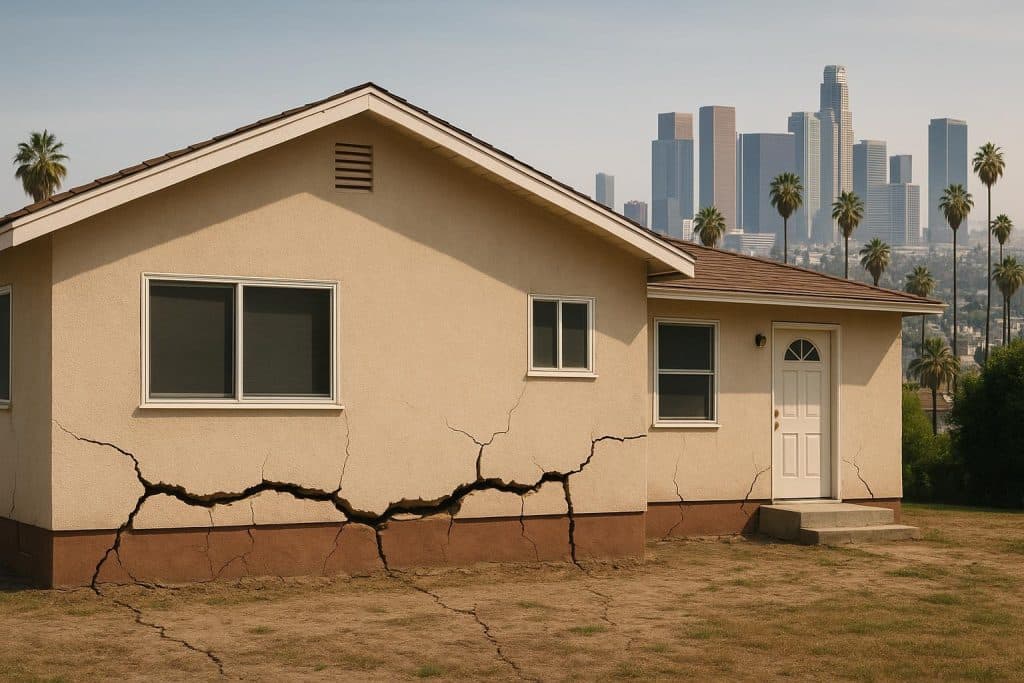
Los Angeles is a city defined by its dramatic geography, from the rolling Hollywood Hills to the flat expanses of the basin. While this landscape offers iconic views and diverse neighborhoods, it also presents a unique set of geological challenges for homeowners. Foundation damage is an unfortunately frequent occurrence in Southern California, often stemming from a combination of the region’s specific soil composition, its semi-arid climate, and the relentless tectonic activity that characterizes the West Coast. Understanding why foundation problems are so prevalent requires a closer look at what is happening beneath the surface of the earth.
The Role of Expansive Soils
One of the primary culprits behind foundation damage in Los Angeles is the presence of expansive clay soils. Much of the region is built upon soil types that act like a sponge. When these soils are exposed to moisture, they expand significantly. Conversely, during the long, dry summers typical of Southern California, the soil loses moisture and shrinks.
This constant cycle of expansion and contraction puts immense pressure on a home’s concrete slab or crawl space supports. Over time, this movement can lead to foundation settlement, where parts of the home begin to sink at different rates. When a house does not settle uniformly, the rigid materials used in construction, such as concrete and drywall, cannot flex enough to accommodate the shift. This lack of flexibility results in foundation cracks that can eventually compromise the structural integrity of the entire building.
Seismic Activity and Ground Shaking
It is impossible to discuss the stability of Los Angeles structures without mentioning the San Andreas Fault and the network of smaller fault lines that crisscross the basin. Even minor tremors, which occur frequently and often go unnoticed by residents, can contribute to foundation damage.
Earthquakes cause the ground to shift laterally and vertically. For a residential foundation, these sudden movements can exacerbate existing foundation problems or create new ones instantly. Older homes, particularly those built before modern seismic building codes were established, are especially vulnerable. Without proper retrofitting, the lateral forces of an earthquake can cause a home to slide off its foundation or cause the cripple walls to collapse.
Drainage Issues and Water Management
In a Mediterranean climate like that of Los Angeles, water management is often overlooked until the rainy season arrives. Poor drainage issues are a leading cause of foundation settlement and instability. When rainwater is not properly diverted away from a home’s perimeter through functional gutters, downspouts, and proper grading, it pools near the base of the structure.
This concentrated moisture oversaturates the soil in a localized area, causing it to lose its load-bearing capacity. As the soil softens, the weight of the house pushes the foundation into the ground. Furthermore, excess water can seep into existing foundation cracks, leading to internal erosion or the rusting of steel reinforcement bars within the concrete. In many Los Angeles neighborhoods, particularly those with hilly terrain, water runoff from neighboring properties can also contribute to the instability of the soil on a single lot.
Identifying the Warning Signs
Homeowners in Los Angeles should be vigilant about the physical manifestations of soil movement and structural stress. Early detection of foundation problems can often prevent more costly interventions later. Common indicators include:
- Doors and windows that suddenly stick or refuse to close properly.
- Gaps between the walls and the ceiling or floor.
- Sloping or uneven floors.
- Horizontal or stair-step cracks in exterior brickwork or interior plaster.
- Cracks in the concrete perimeter or slab.
If these signs are ignored, the damage can progress from cosmetic issues to significant structural failures. When a homeowner notices these shifts, it is important to understand the technical requirements of residential foundation repair. The process usually begins with a thorough evaluation of the soil conditions and the current level of the home. Depending on the severity of the movement, solutions might involve underpinning, where piers are driven deep into more stable soil layers, or mudjacking to fill voids beneath a slab. If you live in Los Angeles and are worried your home’s foundation might have damage, contact a local foundation contractor to inspect your foundation and advise if any foundation repairs are needed. Professionals like those at Sunshine Foundation Repairs provide detailed assessments to determine if the movement is seasonal or indicative of a deeper structural concern. These experts can identify whether a crack is a simple shrinkage fracture or a sign of significant foundation settlement that requires immediate stabilization.
The Impact of Drought and Vegetation
While too much water causes problems, the severe droughts common in California also play a role in foundation damage. During extended dry periods, the water table drops and the clay soil shrinks away from the foundation. This creates a void between the soil and the concrete, leaving the foundation unsupported.
Large trees and shrubs planted too close to a house can worsen this effect. In their search for moisture, the root systems of these plants can extract hundreds of gallons of water from the soil beneath a home. This localized dehydration causes the soil to shrink even further in specific spots, leading to localized foundation cracks and uneven sinking. Managing landscaping and ensuring consistent, deep watering during dry months can help maintain a more stable soil moisture level around the perimeter of a residence.
Topography and Hillside Stability
The geography of areas like the Santa Monica Mountains or the Hollywood Hills adds another layer of complexity to foundation health. Homes built on slopes are subject to “creep,” which is the slow, downward movement of soil due to gravity. This lateral pressure can push against a foundation, causing it to tilt or shift. For these properties, foundation damage is often related to the failure of retaining walls or the gradual erosion of the hillside itself. Ensuring that a home is properly anchored into the bedrock is a common necessity for hillside residential foundation repair in the Los Angeles area.
Long-Term Maintenance and Prevention
Preventing foundation damage in a volatile environment like Los Angeles requires proactive maintenance. Homeowners are encouraged to maintain a consistent moisture level in the soil around their homes, ensure that all drainage systems are clear and directed away from the structure, and monitor any new cracks that appear after heavy rains or seismic events. While the geological reality of Southern California makes foundation movement common, understanding the factors of soil, water, and seismic activity allows for better preparation and more effective management of a home’s structural health.