Why Sealing Industrial Concrete is Non-Negotiable
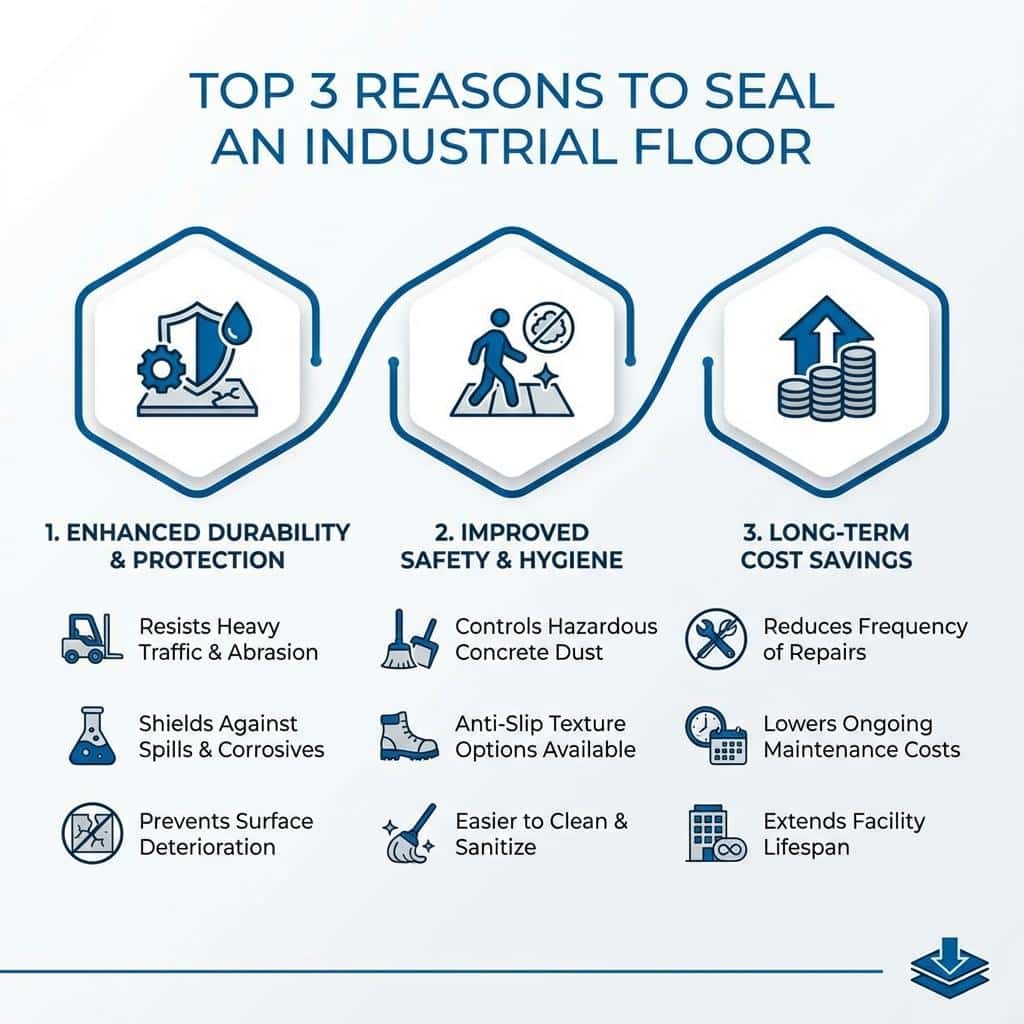
Despite its robust appearance, unsealed concrete is surprisingly vulnerable. Its inherent porous nature makes it susceptible to a host of environmental and operational threats. Without proper protection, industrial concrete floors can quickly deteriorate, leading to significant structural integrity issues, costly repairs, and unacceptable downtime for your facility. Investing in high-quality commercial and industrial coating solutions is a proactive measure that pays dividends in the long run.
In many facilities, the floor is one of the most heavily used yet least protected assets. Production lines, racking systems, and material-handling equipment all depend on a sound, stable surface. When that surface is compromised, problems cascade quickly—from trip hazards and load-bearing failures to contamination of products and reduced employee morale. By planning for floor protection from the outset, or incorporating it into facility upgrades, businesses can better forecast maintenance budgets and avoid emergency shutdowns.
The Primary Threats to Unsealed Concrete
Industrial environments present unique challenges that can severely compromise bare concrete:
- Dusting (Silica): Unsealed concrete constantly releases fine silica dust as it wears. This dust is not only a housekeeping nightmare but also a significant health hazard, contributing to respiratory issues for workers and potentially damaging sensitive machinery.
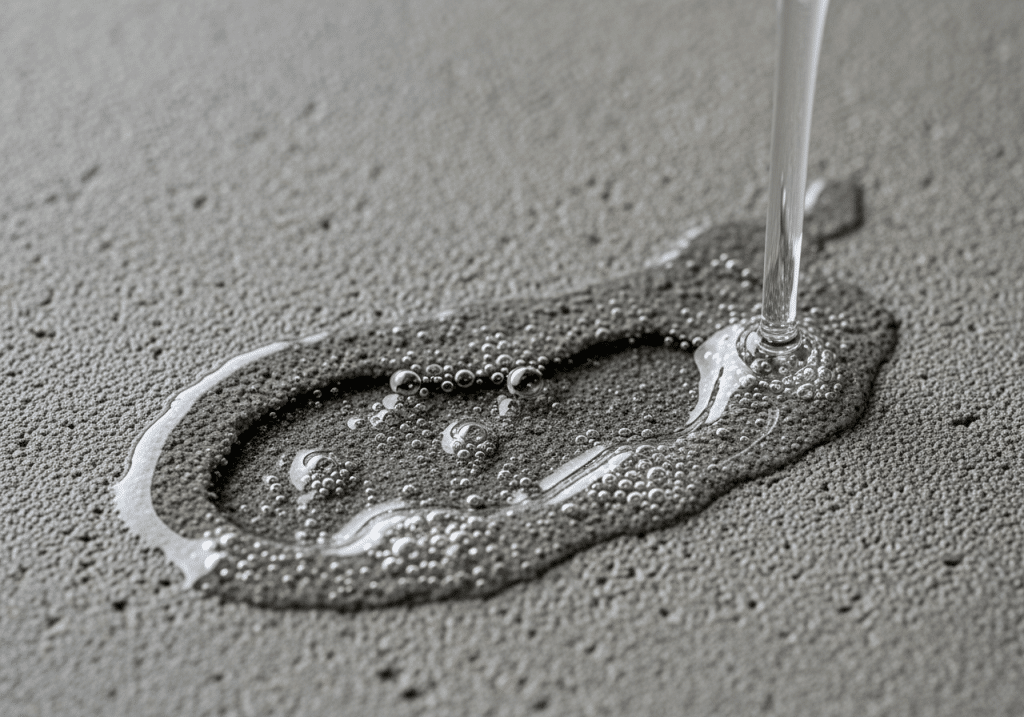
- Staining: Concrete readily absorbs liquids, making it highly prone to staining from oils, greases, chemicals, and even water. These stains are often permanent and can make a facility look neglected and unprofessional.
- Chemical Attack: Industrial facilities frequently handle corrosive chemicals, acids, and alkalis. Unsealed concrete offers little resistance to these substances, leading to erosion, pitting, and structural weakening.
- Abrasion: Heavy machinery, forklifts, constant foot traffic, and the movement of goods cause abrasive wear on concrete surfaces. This leads to surface degradation, unevenness, and the need for frequent repairs.
- Moisture Intrusion: Concrete can absorb moisture from spills on the surface or from below (moisture vapor transmission). This moisture can lead to freeze-thaw damage, mold growth, and can compromise the adhesion of any subsequent coatings.
- Cracking and Spalling: The combined effects of moisture, chemical exposure, and temperature fluctuations can lead to the expansion and contraction of concrete, resulting in cracks and spalling (surface flaking or pitting).
Left unchecked, these issues accelerate over time. A small crack can allow more moisture and chemicals to penetrate the slab, which in turn widens the crack and begins to undermine reinforcing steel. In food or pharmaceutical production, unsealed and deteriorating concrete can also become a harborage point for bacteria, directly affecting compliance and quality control.
Key Benefits of Industrial Floor Sealers
Implementing an appropriate industrial floor sealer offers a multitude of advantages that extend beyond mere aesthetics:
- Reduced Dust: Sealers bind the concrete surface, significantly reducing the release of airborne silica dust, improving air quality, and protecting equipment.
- Increased Durability: By strengthening the concrete surface and protecting it from external aggressors, sealers dramatically extend the lifespan of your floor.
- Abrasion Resistance: Many industrial sealers are engineered to withstand extreme abrasive forces, protecting the concrete from heavy traffic and machinery.
- Chemical Resistance: Specialized sealers create a barrier against corrosive chemicals, acids, and alkalis, preventing damage and simplifying spill cleanup.
- Easier Maintenance: Sealed floors are non-porous or less porous, making them much easier to clean. Spills wipe up readily, and routine sweeping and mopping are more effective.
- Improved Safety: Sealers can be formulated with anti-slip additives to improve traction, reducing the risk of slips and falls. Dust control also contributes to a safer work environment. Some sealers can even mitigate radon gas.
- Improved Appearance: From a natural, matte finish to a high-gloss, reflective surface, sealers improve the aesthetic appeal of your facility, contributing to a professional and well-maintained image.
Beyond these core benefits, well-chosen industrial sealers support lean and 5S initiatives by making floors easier to mark, zone, and keep visually organized. Reflective, light-colored coatings can also improve overall illumination, allowing facilities to reduce the number of fixtures or lower lighting levels while maintaining visibility. Over the life of a building, these incremental gains in cleanliness, safety, and energy efficiency can substantially offset the initial investment in sealing.
For a deeper dive into the importance of these protective measures, our Industrial Coatings – A Comprehensive Guide provides further context on safeguarding industrial assets.
A Breakdown of Industrial Concrete Sealer Types
Choosing the right industrial floor sealer is a nuanced decision, influenced by the specific demands of your facility, desired performance characteristics, and aesthetic goals. Understanding the various sealer chemistries and their functions is crucial. At The Color House commercial coatings, we understand the complexities of industrial systems and work with leading manufacturers to provide top-tier solutions.
Penetrating Sealers: Protection From Within
Penetrating sealers are designed to absorb into the concrete, reacting within its pores to form a protective barrier. They don’t create a film on the surface, which means they maintain the concrete’s natural appearance and texture.
- How They Work: These sealers, often based on silanes, siloxanes, or silicates, chemically react with the concrete to create a hydrophobic (water-repelling) barrier deep within the slab. This prevents water, chlorides, and other contaminants from entering, without altering the surface breathability.
- Natural Finish: Because they don’t form a surface film, penetrating sealers leave the concrete looking largely unchanged, offering a natural, matte finish.
- Breathability: Their non-film-forming nature allows moisture vapor to escape from the concrete, preventing issues like efflorescence and delamination, especially important for exterior applications or slabs with moisture vapor transmission concerns.
- Best Use Cases: Ideal for exterior concrete (driveways, parking lots, loading docks) where freeze-thaw resistance and protection against deicing salts are paramount, or for interior applications where a natural, uncolored look is desired, such as in certain warehouse environments. Many shop floor sealers are penetrating types.
In practice, facility managers often select penetrating systems when long-term, low-visibility protection is the goal. These products are typically applied in a single or double coat and require minimal downtime, which is advantageous for busy operations with limited shutdown windows.
Topical Coatings: The Protective Surface Shield
In contrast to penetrating sealers, topical coatings form a durable film on the surface of the concrete, acting as a sacrificial layer that bears the brunt of wear and tear.
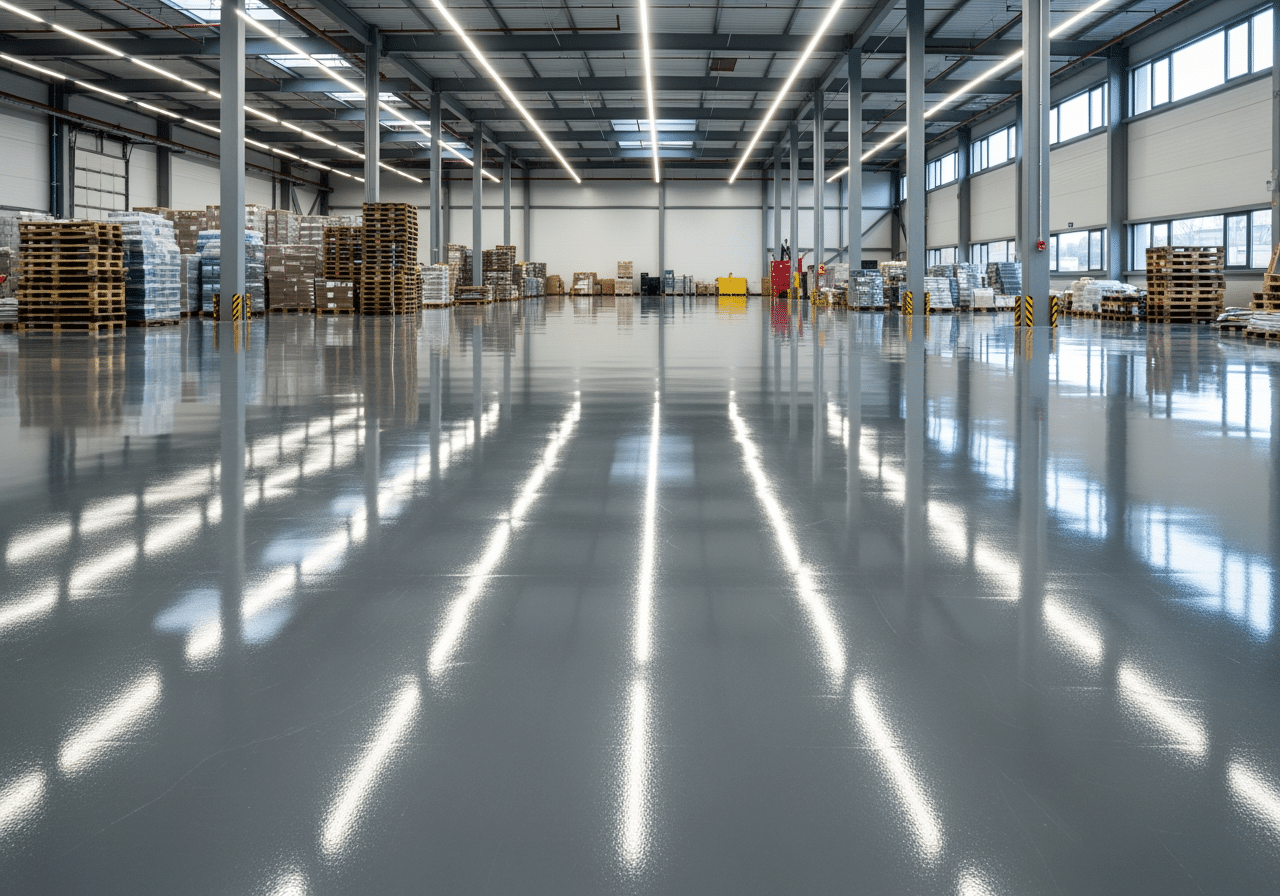
- Film-Forming Barrier: These sealers, which include acrylics, epoxies, urethanes, and polyaspartics, create a protective layer over the concrete. This layer can be engineered for specific properties like chemical resistance, abrasion resistance, and aesthetic appeal.
- Sacrificial Layer: The topical coating takes the abuse, protecting the underlying concrete. When it eventually wears down, it can be recoated or replaced without damaging the original slab.
- Gloss Levels and Color Options: Topical coatings offer a wide range of aesthetic choices, from matte to high-gloss finishes. They can also be pigmented to add color, create patterns, or incorporate decorative flakes, changing the look of the industrial space.
- Best Use Cases: Excellent for interior industrial floors (warehouses, manufacturing plants, laboratories, food processing facilities) where chemical spills, heavy traffic, and specific aesthetic requirements are common. They provide a non-porous surface that is easy to clean and sanitize.
Topical systems also give facility teams more flexibility for future changes. For example, safety striping, traffic lanes, and color-coded zones can be integrated directly into the coating system, and renewed when recoating. This is especially useful in environments that undergo regular layout changes or process improvements.
[TABLE] Comparing Penetrating vs. Topical Sealers
Feature Penetrating Sealers Topical Sealers
Protection Deep internal barrier against moisture, chlorides Surface film against abrasion, chemicals, stains
Appearance Natural, matte finish; no change to concrete look Wide range: matte, satin, high-gloss; clear, colored, decorative chips
Application Sprayed or rolled; soaks in Rolled, brushed, or squeegeed; forms a surface film
Lifespan Longer lasting (5-20+ years, depending on type) Varies (1-10+ years, depending on type and traffic); may require recoating
Best Use Exterior, freeze-thaw, deicing salts, natural look Interior, chemical spills, heavy traffic, aesthetic improvement, easy cleaning
Breathability Highly breathable Varies; some are breathable, others are vapor barriers When comparing options, it is useful to review data sheets and, when available, job references with similar use conditions. Performance in real-world applications—temperature swings, cleaning protocols, and actual traffic patterns—often tells more than laboratory test values alone.
The Role of Densifiers in Concrete Hardening
Concrete densifiers are a specialized type of penetrating treatment that significantly improve the hardness and durability of concrete. They are often a foundational step in preparing a floor for further sealing or polishing.
- How They Work: Densifiers, typically composed of silicates (lithium, sodium, or potassium), penetrate the concrete surface and react with calcium hydroxide (free lime) to form a dense, crystalline structure within the pores. This process, known as “densification,” makes the concrete surface much harder and less porous.
- Increased Hardness: The chemical reaction creates a much stronger surface, improving resistance to abrasion, impact, and wear.
- Dust-Proofing: By filling the pores and hardening the surface, densifiers effectively “dust-proof” the concrete, preventing the release of fine particles.
- Polished Concrete: Densifiers are an essential component of polished concrete systems. After densification, the concrete can be mechanically polished to achieve a smooth, reflective, and extremely durable finish. This combination is highly sought after in modern industrial and commercial spaces.
- Advantages and Disadvantages: While densifiers offer incredible benefits in terms of hardness and dust reduction, they typically do not provide significant chemical or stain resistance on their own. They are often paired with a topical sealer for comprehensive protection. For a more detailed look at their role, explore the advantages and disadvantages of densifiers in industrial settings.
When planning a densified or polished concrete system, it is important to factor in the sequencing of grinding, densifier application, and any guard or stain-protection treatments. Each step builds on the previous one, and small deviations—such as skipping a cleaning pass or applying densifier to a contaminated surface—can affect the final gloss, stain resistance, and long-term performance.
Matching the Sealer to the Industrial Challenge
Selecting the optimal industrial floor sealer requires a thorough evaluation of your facility’s specific needs, environmental factors, and operational demands. The right choice ensures long-term performance and protection. Understanding the right industrial coating for your unique challenges is key, and companies that specialize in industrial and commercial concrete solutions can help tailor systems to your exact requirements.
For Heavy Traffic and Abrasion: Warehouses & Manufacturing
Industrial floors in warehouses, distribution centers, and manufacturing plants endure relentless abuse from forklifts, heavy machinery, pallet jacks, and constant foot traffic. These environments demand sealers with exceptional abrasion and impact resistance.
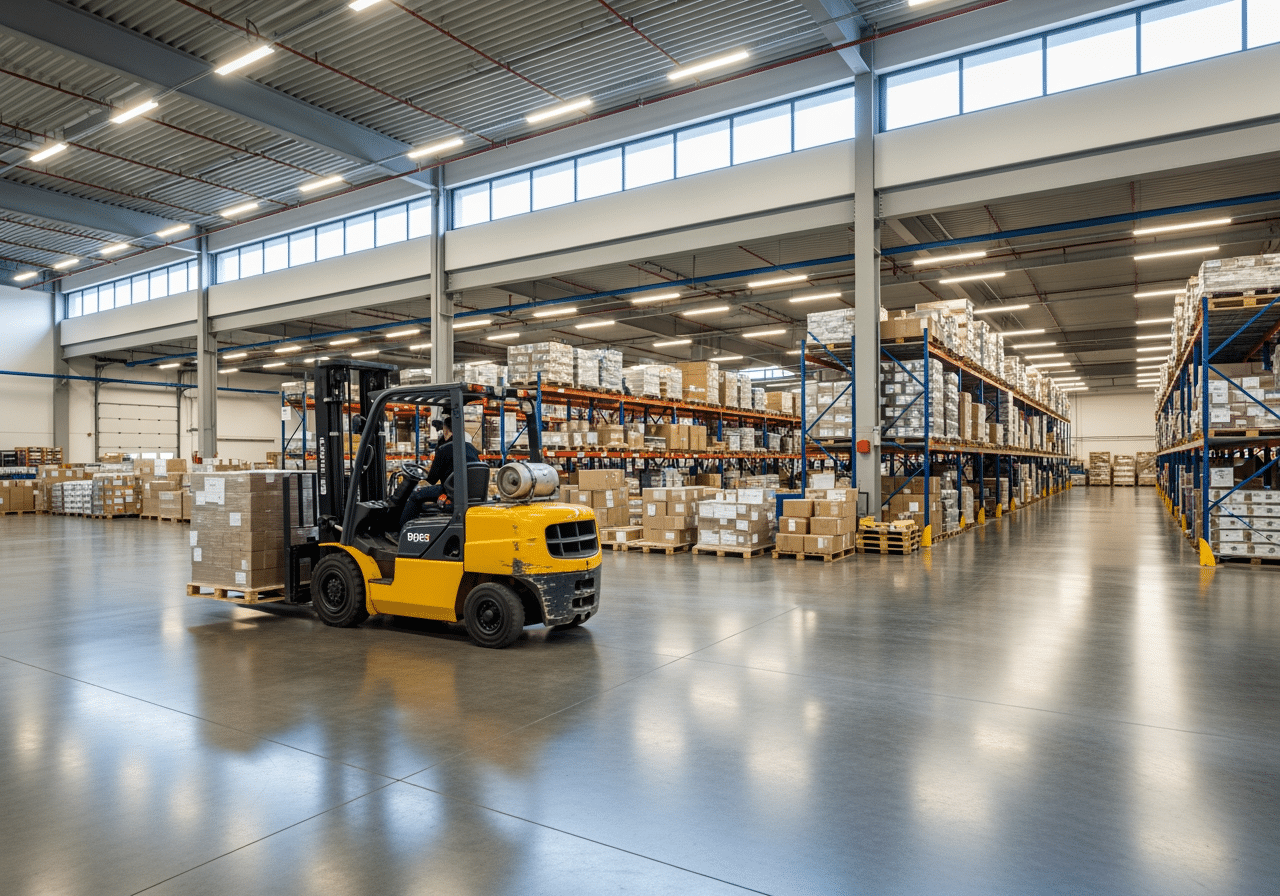
- Epoxy Coatings: Known for their excellent adhesion and hardness, epoxy coatings provide a robust, non-porous surface that can withstand significant wear. They are often used as a base layer due to their strong bonding capabilities.
- Urethane Topcoats: When applied over epoxy, urethane topcoats (especially aliphatic urethanes) offer superior abrasion resistance, chemical resistance, and UV stability. They provide a resilient, long-lasting finish that can endure the rigors of heavy industrial traffic.
- Densified and Polished Concrete: As mentioned earlier, densified concrete, especially when polished, offers an incredibly hard and durable surface that is highly resistant to abrasion and dusting. This system provides a long-lasting, low-maintenance solution for high-traffic areas.
- Abrasion Resistance Values: When evaluating sealers for heavy traffic, look for products with high abrasion resistance values (e.g., Taber Abrasion values). Technical data sheets provide critical performance metrics for comparison.
When selecting a system for high-traffic areas, it is also worth considering impact zones—such as loading docks, staging areas, and near racking—where dropped pallets or point loads may cause more severe damage. In these locations, thicker-build coatings or reinforced mortar systems may be appropriate to complement the primary sealer.
For Chemical Spills: Labs, Automotive & Food Processing
Facilities that regularly handle corrosive chemicals, oils, acids, or require strict hygiene standards, such as laboratories, automotive repair shops, and food processing plants, need sealers that offer impermeable barriers and superior chemical resistance.
- Chemical Resistance: Epoxy, urethane, and polyaspartic coatings are formulated to resist a wide range of chemicals. The specific chemical resistance profile will vary by product, so it’s crucial to match the sealer to the types of chemicals present in your facility.
- Non-Porous Surface: These coatings create a seamless, non-porous surface that prevents chemicals from penetrating the concrete, making cleanup easy and preventing long-term damage or contamination.
- USDA-Inspected Facilities: In food and beverage processing, sealers must meet strict regulatory requirements for hygiene and cleanability. Non-porous, chemical-resistant coatings are essential to prevent bacterial growth and allow for thorough sanitation.
In areas with frequent spill events, additional design elements—such as integrated cove bases, sloped floors, and properly detailed drains—work together with the sealer system to keep liquids away from walls and joints. This holistic approach reduces the risk of hidden damage and makes routine wash-downs more effective.
For Environmental Factors: UV, Moisture, and Temperature
Industrial floors, especially those exposed to the elements or fluctuating indoor conditions, must contend with UV radiation, moisture vapor, and extreme temperature changes.
- UV Exposure: Many epoxy coatings can yellow or chalk when exposed to UV light. For areas with direct sunlight (e.g., near windows, loading docks, or exterior applications), aliphatic urethanes or polyaspartics are preferred as they offer excellent UV stability and color retention. This ensures your industrial coating performs reliably in any weather.
- Freeze-Thaw Cycles: In colder climates, exterior concrete is subjected to freeze-thaw cycles, where absorbed water expands when frozen, leading to cracking and spalling. Penetrating sealers (silanes/siloxanes) are highly effective here, preventing water absorption without trapping moisture.
- Moisture Vapor Transmission (MVT): Concrete slabs can emit moisture vapor from the ground below. If a topical sealer is applied without adequate MVT mitigation, the trapped moisture can cause blistering or delamination. Breathable sealers or specialized moisture-mitigating primers are necessary in these situations.
Before finalizing a specification, it is good practice to perform basic diagnostics such as relative humidity (RH) testing, calcium chloride tests, or simple plastic-sheet tests to get a snapshot of slab moisture behavior. Aligning sealer choice with measured conditions reduces the risk of premature failure and unplanned repairs.
Application, Lifespan, and Maintenance
The effectiveness and longevity of any industrial floor sealer heavily depend on professional application and a consistent maintenance regimen. While some basic sealers might seem like a DIY project, the complexity and demands of industrial environments typically necessitate expert involvement. Reputable contractors and specialized firms understand the intricacies involved and can help coordinate work around production schedules to minimize downtime.
The Application Process for Industrial Floor Sealers
Proper application is paramount to achieving the desired performance and lifespan from your industrial floor sealer.
- Surface Preparation: This is arguably the most critical step. Concrete surfaces must be clean, dry, and profiled to allow for optimal adhesion. Common methods include:
- Diamond Grinding: Uses abrasive diamond tools to mechanically remove contaminants and create a suitable surface profile.
- Shot Blasting: Involves propelling steel shot at the concrete surface to remove old coatings, laitance, and create an aggressive profile for maximum bond.
- Acid Etching: A less aggressive method, typically used for lighter-duty applications, that uses acid to roughen the surface.
- For robust industrial coatings, professional surface preparation is non-negotiable. As highlighted in discussions around sealing industrial concrete floors: options and benefits, proper prep prevents premature failure.
- Application Methods:Sprayer: Often used for penetrating sealers or thin-mil topical coatings over large areas, providing efficient and even coverage.
- Roller: Common for applying topical coatings, allowing for controlled thickness and uniform distribution.
- Squeegee: Used for thicker coatings like self-leveling epoxies, ensuring a smooth, even spread.
- Curing Times: Industrial sealers require specific curing times before they can be subjected to foot traffic, heavy traffic, or chemical exposure. Adhering strictly to manufacturer guidelines is essential to allow the coating to achieve its full strength and chemical resistance.
In addition to these core steps, temperature and humidity control during installation plays a major role. Many systems have minimum and maximum substrate temperatures and cannot be applied when condensation is present. Planning installation during favorable weather or using climate control can prevent defects such as amine blush, bubbling, or improper curing.
Expected Lifespan and Maintenance Requirements
The lifespan of an industrial floor sealer varies significantly based on the type of sealer, the level of traffic and abuse it receives, and the quality of maintenance.
- Typical Lifespans:Acrylic Sealers: 1-3 years (often require frequent recoating, especially in high-traffic areas).
- Epoxy Coatings: 5-10 years (can be extended with urethane topcoats).
- Urethane/Polyaspartic Coatings: 10-20+ years (highly durable, excellent for demanding environments).
- Penetrating Sealers/Densifiers: 10-25+ years (permanent within the concrete, but may need surface re-treatment for stain resistance over time).
- Routine Cleaning: All sealed floors benefit from regular cleaning. This typically involves sweeping, mopping with appropriate industrial detergents, and occasional scrubbing to remove stubborn dirt and grime. The non-porous nature of many sealed floors makes this much easier than cleaning bare concrete.
- Re-coating Schedules: Topical sealers, particularly acrylics and some epoxies, will eventually show wear and require re-coating. This involves cleaning the existing surface, light abrasion, and applying a new layer. Regular inspection helps determine the optimal re-coating interval.
- Repairing Damage: Even the toughest industrial floors can sustain damage from extreme impact or chemical exposure. Prompt repair of chips, cracks, or delaminated areas is crucial to prevent further deterioration and maintain the integrity of the coating.
Developing a written maintenance plan—detailing cleaning frequencies, approved chemicals, traffic patterns, and inspection checkpoints—helps ensure that the floor system performs as designed. Training in-house janitorial or maintenance staff on correct procedures, such as avoiding overly harsh cleaners or abrasive pads on delicate finishes, can significantly extend the service life of the sealer.
For comprehensive support and planning for your facility’s flooring needs, our commercial services team can provide custom maintenance schedules and expert advice.
Frequently Asked Questions about Industrial Floor Sealers
We often encounter common questions from facility managers and business owners considering industrial floor sealers. Here are some of the most frequently asked:
What is the best type of sealer for a warehouse floor?
The best sealer depends on the specific needs, but a combination of a concrete densifier for hardness and a high-performance coating like epoxy or urethane for protection against abrasion and spills is a common and effective solution for high-traffic warehouses. Densifiers provide internal strength and dust-proofing, while a topical coating offers a durable, easy-to-clean surface that can withstand the constant movement of forklifts and heavy loads.
When evaluating options, consider not only the up-front cost but also projected lifecycle costs. A more robust system with a higher initial investment may be more economical over ten or fifteen years once reduced repairs, cleaning efficiencies, and fewer shutdowns are factored in.
How do industrial floor sealers improve safety?
Sealers improve safety in several critical ways. They control hazardous concrete dust (silica), which is a respiratory irritant and can obscure visibility. A sealed, non-porous surface is easier to clean, promoting better hygiene and reducing the presence of slippery spills. Furthermore, many industrial sealers can incorporate anti-slip media, such as aggregate or textured additives, to increase traction and significantly reduce the risk of slips and falls. Some penetrating sealers can also help mitigate the ingress of radon gas, contributing to overall indoor air quality.
In addition, clearly defined walkways, hazard zones, and equipment paths can be integrated into the floor coating design using contrasting colors or gloss levels. This visual guidance supports safety programs and makes it easier for employees and visitors to move through the facility without confusion.
Can I apply an industrial sealer myself?
While some basic acrylic sealers can be a DIY project for smaller, less demanding areas, high-performance systems like 100% solids epoxy, urethanes, and polyaspartics require extensive surface preparation, specialized equipment, and precise application techniques. For industrial applications, where durability, chemical resistance, and safety are paramount, professional installation by experienced industrial coating specialists is highly recommended. Professionals ensure proper bonding, uniform coverage, and long-term performance, avoiding costly mistakes and premature failure.
For small test areas or non-critical rooms, a limited trial section can sometimes be used to familiarize staff with how a product behaves. However, once a full facility or main production area is involved, relying on professional crews who understand sequencing, joint treatment, and cure times is usually the best route.
Conclusion: Invest in Your Facility’s Most Critical Asset
Your industrial floor is a foundational element of your business operations, directly impacting efficiency, safety, and long-term costs. Neglecting its protection can lead to a cascade of problems, from health hazards and operational disruptions to expensive repairs and premature replacement.
By understanding the diverse types of industrial floor sealers—from penetrating densifiers that strengthen from within to topical coatings that provide robust surface protection—you can make an informed decision that aligns with your facility’s unique demands. The right sealer is not just a cosmetic upgrade; it’s a strategic investment in the longevity, safety, and productivity of your industrial space.
Thoughtful planning at the design or renovation stage—considering future equipment loads, traffic patterns, cleaning methods, and possible regulatory changes—will further improve the value of that investment. Matching the floor system to realistic operating conditions reduces total cost of ownership and supports smoother day-to-day operations.
For expert guidance on selecting and applying the perfect coating for your facility, explore our Commercial and Industrial Coating Solutions or schedule a Color Consultation with our specialists. We’re here to help you protect and improve your most critical asset. You can also contact us directly for personalized advice.