

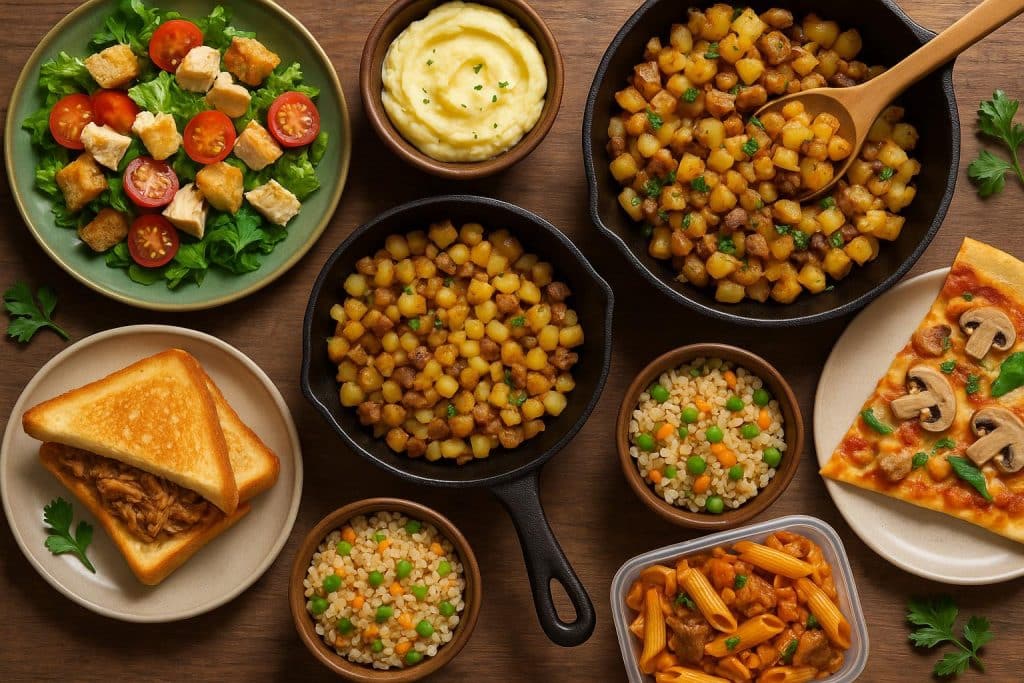
You didn’t plan to cook too much. It just happened. A little extra rice. One more pot of soup. Or that takeout order that felt reasonable at the time. Now the fridge is full, and you’re standing there wondering what to do next. This is where good habits quietly matter. Things like portioning early, thinking ahead, and even simple choices such as deciding to buy to go food containers wholesale, make storage less of a struggle. Leftovers aren’t a failure. They’re just unfinished stories. And if you treat them right, they actually make life easier.
Start Small, Portion Right
Most leftover problems start right after cooking. Everything goes into one big pot. One big bowl. Then it cools. Then it gets forgotten.
Instead, pause for a minute. Portion while the food is still fresh. Split meals into small containers. Single servings. Family portions. Whatever fits your routine. This makes reheating faster and helps food last longer.
Think about your future self. Tired. Busy. Not in the mood to cook. That version of you will thank you for smaller portions that are easy to grab and heat.
And honestly, portioning makes meals feel intentional. Not random. Not rushed. Just calm.
Make Leftovers Fun Again
Leftovers don’t have to feel like punishment. They’re raw material. A starting point. That rice from yesterday? It’s fried rice waiting to happen. Or a grain bowl. Or even breakfast with eggs. Extra roasted vegetables? Toss them into pasta. Add them to wraps. Blend them into soups.
Proteins are flexible too. Chicken can be shredded. Beef can be sliced thin. Fish can turn into tacos. You don’t need fancy recipes. Just curiosity.
Sometimes leftovers taste better the second day. Flavors settle. Spices mellow. Sauces thicken. There’s no shame in enjoying that.
And if a dish doesn’t excite you anymore, change it. Add a sauce. Add herbs. Add heat. A small tweak can make a big difference.
Storage Isn’t Boring. It’s Strategy
How you store food decides whether it gets eaten or ignored. That’s the truth. Clear containers help. You see what you have. Labels help too. Dates. Names. Simple notes. Nothing fancy. Just enough to jog your memory.
Stack items neatly. Keep soups together. Grains together. Proteins together. This creates order. And order reduces waste.
Also, don’t hide food behind newer items. That’s how leftovers die quietly. Keep older meals in front. Make them visible. Make them easy.
A clean, organized fridge feels good. It lowers stress. It saves time. And yes, it helps you eat better without even trying.
Plan Light. Not Perfect
You don’t need a strict meal plan. That usually fails. But a loose plan? That works. Cook meals that can stretch. Dishes that transform. Stews. Roasted veggies. Cooked grains. These become building blocks.
Think two steps ahead. If you roast chicken today, what can it become tomorrow? If you make pasta, can it turn into lunch?
Planning like this doesn’t feel heavy. It feels supportive. You’re not locking yourself into rules. You’re just giving yourself options. And options make busy days easier.
Use Leftovers to Save Energy
Some days, cooking feels like too much. On those days, leftovers shine. They save time. They save mental energy. You don’t need to decide what to eat from scratch. It’s already there.
Reheat. Add something fresh. Eat. Done.
This is especially helpful during long weeks. Or when work piles up. Or when you’re just tired. Leftovers reduce decision fatigue. And that’s underrated.
A Habit That Grows Over Time
At first, all this feels intentional. Then it becomes automatic. You start portioning without thinking. Storing better. Reusing creatively. You waste less without forcing it.
And slowly, your kitchen feels calmer. More efficient. Less chaotic. Leftovers stop being something you avoid. They become something you rely on.
Conclusion
Leftovers don’t need to be boring or stressful. They just need attention. Portion early. Store smart. Get creative when you can. Let go when you should. These small habits add up. They save time. They save money. And they support reducing food waste at home without turning your kitchen into a strict system. Next time you open the fridge and see yesterday’s meal, don’t sigh. Pause. Look again. There’s probably something good waiting to happen. And sometimes, that second meal ends up being the best one.